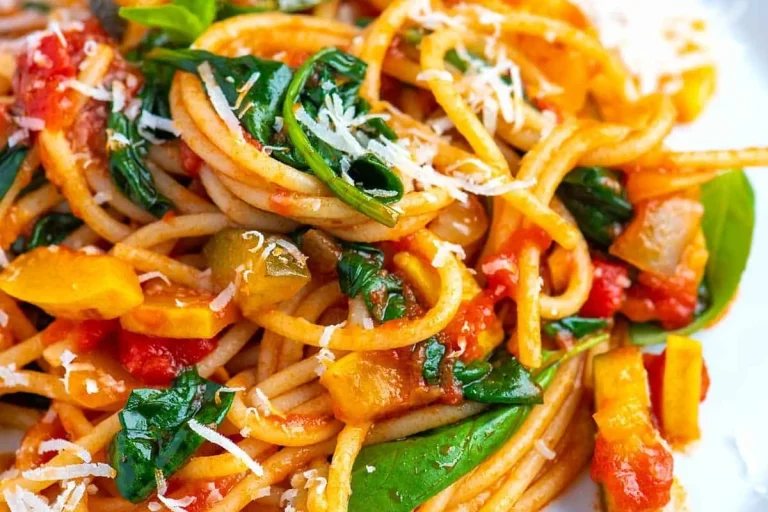
How to Make Pasta with Italian Sausage for Easy Dinner

Brown Italian sausage, cook pasta until al dente, then toss everything with sauce and a little pasta water. It’s an easy, flexible dinner that works with tomato or creamy sauces.
If you want a fast, filling dinner, pasta with Italian sausage is a smart choice. It uses simple ingredients, comes together in one pan plus a pot, and gives you a rich, hearty meal with very little fuss.
- Best method: Brown sausage first, then finish pasta in the sauce.
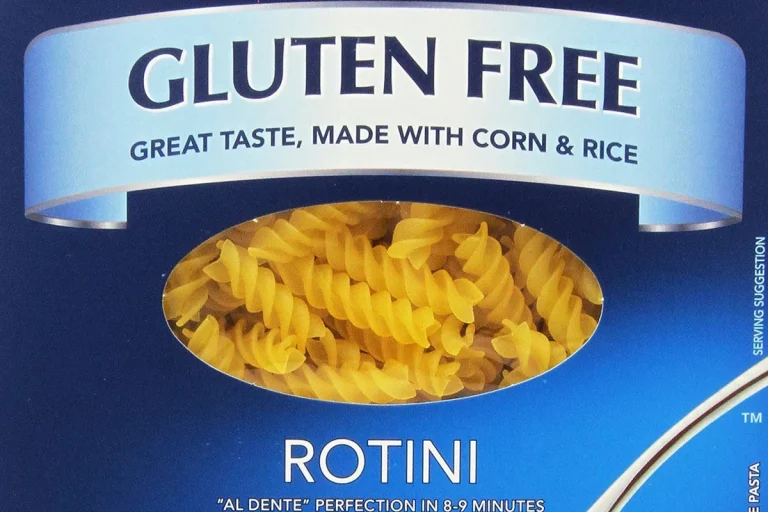
- Best pasta: Rigatoni, penne, and fusilli hold sauce well.
- Flavor control: Sweet, mild, or spicy sausage changes the whole dish.
- Easy upgrades: Add peppers, spinach, mushrooms, herbs, or Parmesan.
- Leftovers: Store fast and reheat with a little water or sauce.
How to Make Pasta with Italian Sausage the Easy Way
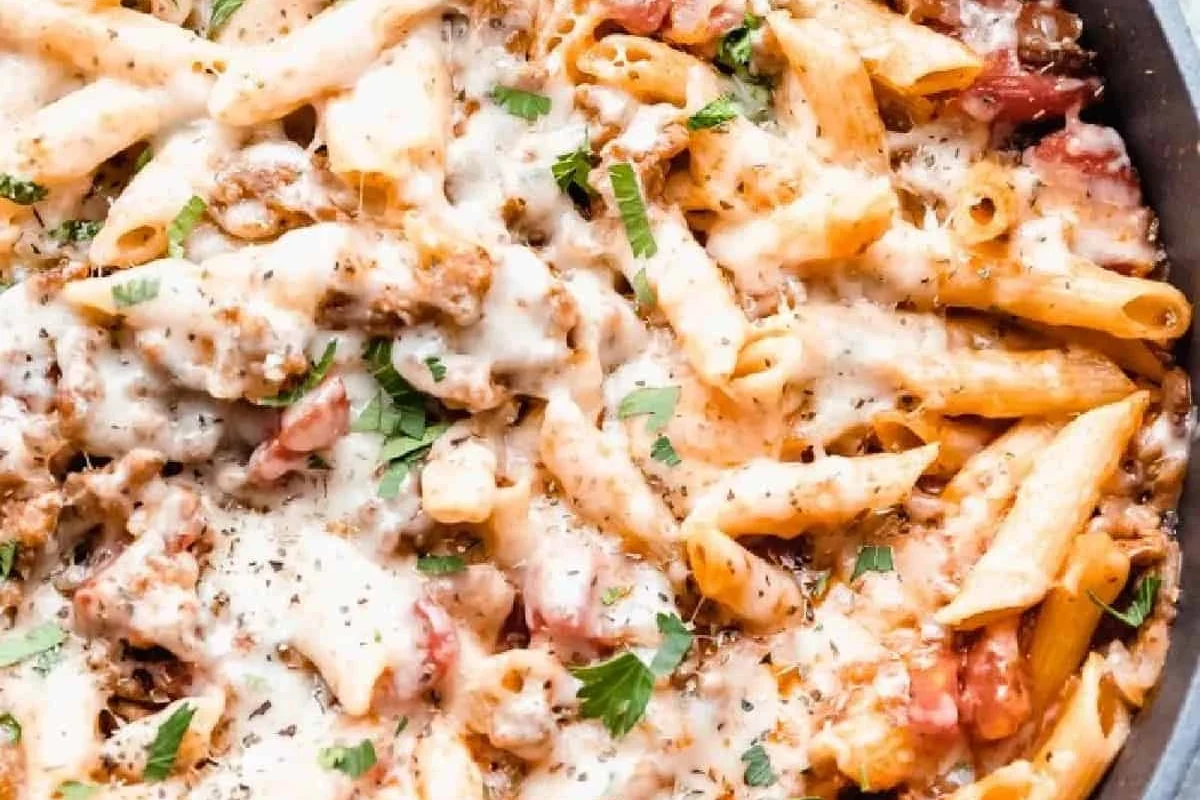
This guide walks you through the basic method, the best pasta shapes, and a few simple ways to boost flavor.
The best part is that this recipe is flexible. You can keep it tomato-based, make it creamy, or add vegetables you already have in the fridge.
In short: once you learn the basic flow, you can make this dinner work on busy weeknights.
What You Need to Make Pasta with Italian Sausage
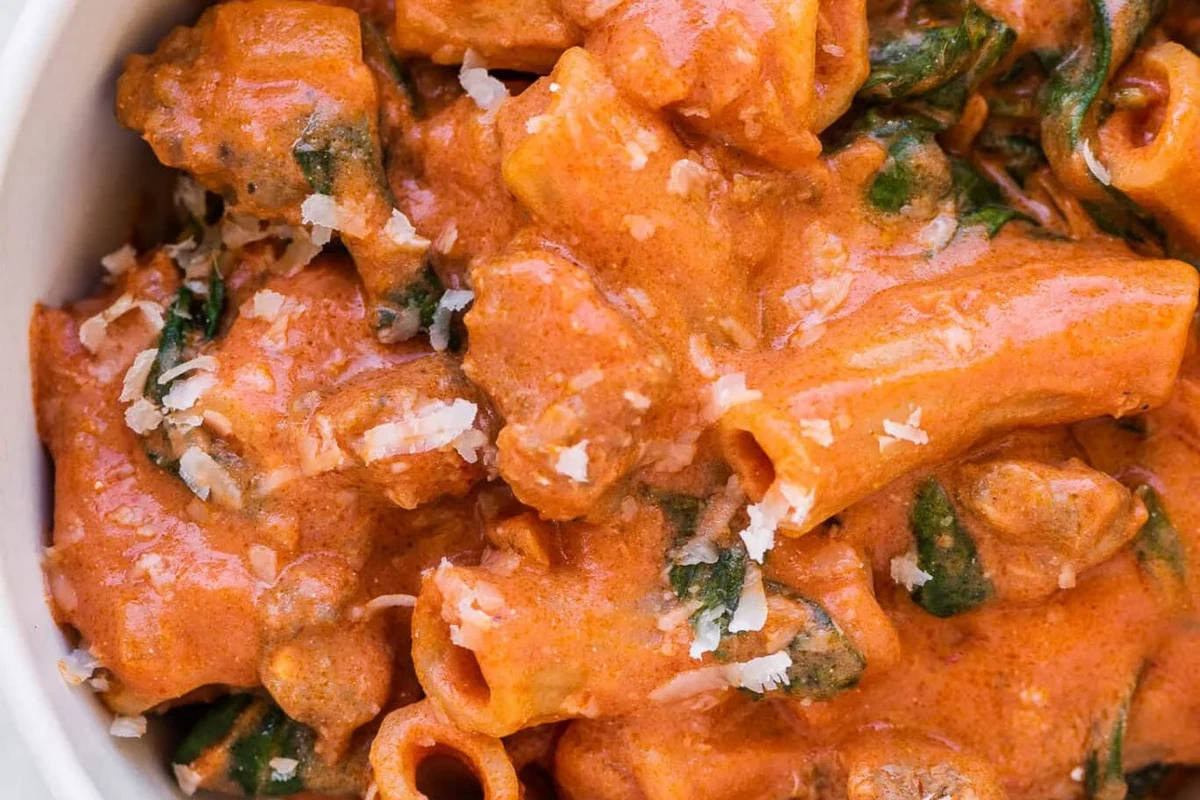
You do not need a long shopping list. The goal is to build a good balance of meat, pasta, sauce, and seasoning.
Key Ingredients for the Best Flavor
Italian sausage gives the dish most of its flavor. If your sausage is well seasoned, you may need less extra salt.
Use a pasta sauce you like, or start with tomatoes and build your own. A little pasta water also helps the sauce cling to the noodles.
In short: good sausage and a simple sauce do most of the work.
Simple Tools That Make Cooking Easier
You only need basic kitchen gear for this meal. A large skillet, a pasta pot, and a strainer are the main items.
Helps brown the sausage and simmer the sauce in one pan.
Gives the pasta room to cook evenly without sticking.
Makes it easy to break up sausage and stir the sauce.
Lets you drain pasta fast while saving a little cooking water.
For a smoother cleanup, use a deep skillet with enough room for sauce and pasta together. That keeps splatter down and makes stirring easier.
Pan size and burner strength vary by stove. If your skillet is small, cook the sauce and pasta in batches.
How to Make Pasta with Italian Sausage Step by Step
The basic method is simple. Brown the sausage, cook the pasta, make the sauce, then mix everything together.
Brown the Sausage the Right Way
Start by heating a little olive oil in a large skillet over medium heat. Add the sausage and break it into small pieces as it cooks.
Let the meat sit long enough to brown before stirring too much. That browned color adds deeper flavor.
Warm the skillet first so the sausage starts browning right away.
Use a spoon to make small pieces that cook evenly.
Keep cooking until the sausage is no longer pink and looks browned.
Follow safe food handling rules for sausage. Cook it fully, and use a clean spoon or plate for raw meat.
If the pan fills with a lot of grease, spoon off some of it before adding the sauce. A little fat helps flavor, but too much can make the dish feel heavy.
In short: brown the sausage well, but keep the pan from getting greasy.
Cook the Pasta and Build the Sauce
While the sausage cooks, bring a large pot of salted water to a boil. Add the pasta and cook it until just al dente.
At the same time, add onion and garlic to the sausage pan if you want more flavor. Then pour in tomatoes or sauce and let everything simmer for a few minutes.
Save about half a cup of pasta water before draining. That starchy water helps loosen thick sauce and helps it stick to the pasta.
- Salt the pasta water so the noodles taste better.
- Drain pasta when it still has a little bite.
- Add pasta water a splash at a time.
If you want a richer sauce, let it simmer a little longer. If you want a lighter meal, keep the sauce more loose and simple.
In short: cook the pasta just shy of done and let the sauce finish the job.
Combine Everything for a Balanced Finish
Add the drained pasta straight into the skillet with the sausage sauce. Toss well so every piece gets coated.
If the sauce looks dry, add a splash of reserved pasta water. If it looks too thin, let it cook for another minute or two.
Finish with Parmesan cheese and a little black pepper. Fresh basil or parsley also works well if you have it.
- Toss pasta and sauce together before serving.
- Taste and adjust seasoning at the end.
- Use pasta water to help the sauce cling.
- Do not rinse the pasta after draining.
- Do not overcook the noodles in the sauce.
- Do not add too much cheese at once.
Best Pasta Shapes and Sausage Types to Use
Not every pasta shape works the same way. The best choice depends on how thick your sauce is and how chunky your sausage is.
Which Pasta Holds Sauce Best
Short shapes often work best because they catch bits of sausage and sauce. Long pasta can work too, but it gives a different feel.
| Option | Best For | Key Consideration |
|---|---|---|
| Rigatoni | Thick sauce and sausage pieces | Holds sauce inside the tubes |
| Penne | Easy weeknight meals | Sturdy and widely available |
| Fusilli | Clinging sauce | Twists catch bits of meat well |
| Spaghetti | Classic texture | Works best with a smoother sauce |
If you like a hearty bite, choose rigatoni or penne. If you want a softer, more familiar feel, spaghetti still works fine.
In short: short, ridged pasta usually gives the best sauce grip.
Sweet, Mild, or Spicy Italian Sausage
Italian sausage comes in different styles, and each one changes the final flavor. Sweet sausage gives a softer, more family-friendly taste.
Mild sausage sits in the middle. Spicy sausage adds heat and works well if you like a bolder dinner.
Sweet or mild sausage is a safe choice for most households.
Spicy sausage gives the dish more kick without extra effort.
You can also use links and remove the casings, or buy bulk sausage if your store carries it. Either way works as long as the meat cooks through.
Flavor Boosts and Easy Add-Ins
This recipe is a great base for extra flavor. You can keep it simple or make it feel more like a full skillet meal.
Vegetables, Herbs, and Cheese Ideas
Onion and garlic are the easiest add-ins. After that, you can use bell peppers, spinach, mushrooms, or zucchini.
Add color and a sweet taste that works well with sausage.
Wilts fast and adds a softer, greener finish.
Bring a deeper, savory flavor to the sauce.
Adds salt and richness at the end.
Fresh basil, oregano, and parsley all work well. Use a light hand at first, then taste before adding more.
In short: a few vegetables can make this dish feel bigger and fresher.
How to Make It Creamy or Tomato Based
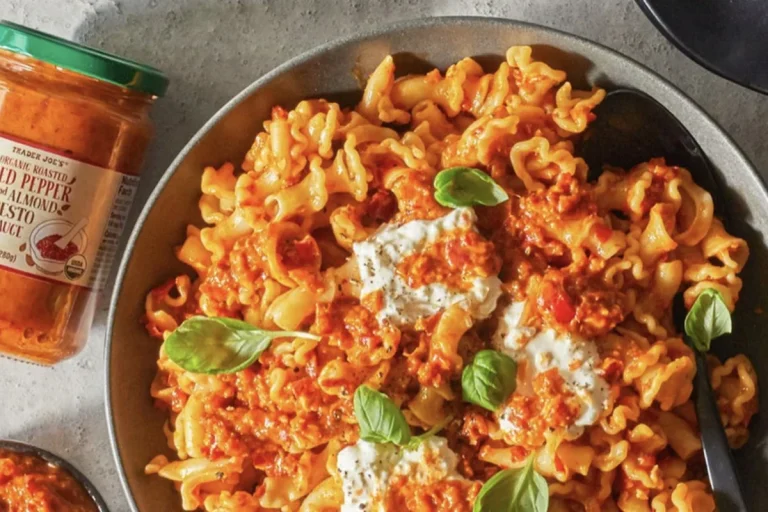
A tomato sauce gives you the most classic version. Use crushed tomatoes, marinara, or even a simple jarred sauce if that’s what you have.
If you want a creamy version, stir in a little cream, half-and-half, or a spoonful of cream cheese near the end. Add it slowly so the sauce stays smooth.
Both styles work. The right choice depends on what your family likes and what you already have in the kitchen.
Common Mistakes to Avoid
Most problems with this dish are easy to fix. The key is to watch the heat and keep the sauce balanced.
Overcooking Pasta or Sausage
Overcooked pasta turns soft fast, especially after it sits in sauce. Pull it from the water when it still has a bit of bite.
Sausage also needs careful timing. Cook it fully, but don’t let it dry out in the pan.
The pasta feels mushy or the sausage tastes dry.
Check both earlier next time and move the pasta into the sauce right away.
In short: timing matters more than fancy ingredients.
Using Too Much or Too Little Sauce
Too little sauce makes the pasta taste dry. Too much sauce can hide the sausage and make the dish heavy.
Start with less than you think you need. Then add pasta water or more sauce until the noodles look coated, not flooded.
If you are serving a crowd, keep a little extra sauce on the side. That makes it easier to adjust each bowl.
In short: aim for a coated, glossy finish, not a soup.
Safety Tips, Storage, and Reheating
Good cooking also means safe cooking. Sausage dishes need the same care you’d use with any meat-based meal.
Food Safety Basics for Sausage Dishes
Cook sausage until it is fully done and no longer pink in the center. If you are unsure, follow the package directions and trusted food safety guidance.
Use separate utensils for raw meat and cooked food. Clean counters, boards, and tools after contact with raw sausage.
Let hot food cool a bit before storing it. Do not leave the dish out for too long at room temperature.
In short: safe handling matters just as much as flavor.
How to Store Leftovers the Right Way
Store leftovers in a sealed container in the fridge once they cool. Pasta with sausage usually keeps well for a few days, but exact timing can vary by ingredients and storage conditions.
When reheating, add a splash of water or sauce so the pasta does not dry out. Warm it gently on the stove or in the microwave.
Cool leftovers, seal them, and refrigerate them soon after dinner.
Add a little liquid and heat until the food is hot throughout.
If the food smells off, looks strange, or sat out too long, throw it away. When in doubt, it’s safer not to eat it.
Cost, Value, and Weeknight Meal Benefits
This meal gives you a lot of dinner for the effort. It feels hearty, but it still works on a busy night.
Why This Recipe Works for Busy Families
You can make pasta with Italian sausage with pantry staples and a few fresh items. That makes it useful when you do not want a complicated recipe.
It also scales well. You can make a small skillet for two or a larger batch for a family meal.
- Uses simple, easy-to-find ingredients
- Fits a busy weeknight schedule
- Feels hearty enough for dinner guests
- Works with many sauces and vegetables
In short: it’s a dependable dinner that does not take much planning.
Budget Tips for Feeding More People
To stretch the meal, use more pasta and add vegetables like onion, peppers, or spinach. That helps fill plates without needing a huge amount of sausage.
Buying sausage in family packs can also help, but only if you know you’ll use it. Otherwise, choose the amount that matches your household.
Leftovers can help too. A second meal the next day makes the dinner feel even more budget friendly.
In short: this recipe stretches well without feeling cheap.
Final Recommendation for an Easy Dinner
If you want a dinner that is filling, flexible, and easy to build from basic ingredients, this is a strong choice. Pasta with Italian sausage gives you comfort food without much effort.
When This Pasta Recipe Is the Best Choice
Choose this meal when you want something fast, warm, and crowd-pleasing. It works especially well if you already have pasta, tomatoes, and sausage on hand.
It is also a good pick when you want a recipe that can shift from simple to hearty. Add vegetables, make it creamy, or keep it plain.
This is one of the easiest pasta dinners to pull off on a busy night. It’s best for cooks who want strong flavor, simple steps, and flexible ingredients.
In short: if you need an easy dinner that still feels satisfying, pasta with Italian sausage is a great place to start.
When to Try Another Pasta Dinner Instead
Try a different pasta dish if you want a very light meal or need a meatless option. This recipe leans rich, so it may not fit every night.
You may also want another dish if you need a very quick no-simmer meal. This one is still easy, but it does need a few moving parts.
Even so, for most weeknights, it hits a sweet spot. It is simple, tasty, and easy to make your own.
Frequently Asked Questions
Rigatoni, penne, and fusilli all hold sauce well. They catch sausage pieces and work well with thick or chunky sauces.
Yes, all three work well. Sweet and mild give a softer flavor, while spicy adds more heat.
Cook it until just al dente and finish it in the sauce. That helps the pasta keep a better texture.
Yes, stir in a little cream, half-and-half, or cream cheese near the end. Add it slowly so the sauce stays smooth.
Cool them, seal them in a container, and refrigerate them soon after dinner. Reheat with a splash of water or sauce to keep the pasta from drying out.
Add reserved pasta water a little at a time if it is too thick. If it is too thin, simmer it a bit longer.