Is Orzo Pasta Healthier Than Rice A Clear Comparison

Brown rice is usually healthier than regular orzo because it has more fiber. Orzo still works well in balanced meals, especially when you want a pasta-style dish.
If you’re asking whether orzo pasta is healthier than rice, the short answer is: it depends on the type of rice and your goal. In many cases, brown rice wins on fiber, while orzo can be a better fit when you want more protein or a pasta-style side dish.
- Brown rice usually wins: It has more fiber and helps with fullness.
- Orzo is not always worse: It can fit well in balanced meals.
- Whole wheat matters: Whole wheat orzo is a better pick than refined orzo.
- Portions change everything: Big servings can make either food less healthy.
Is Orzo Pasta Healthier Than Rice? The Short Answer
Orzo is not automatically healthier than rice. The better choice depends on the exact rice type, the portion size, and what else is on your plate.
White rice and regular orzo are both refined grains. That means they are lower in fiber than brown rice or other whole grains. If you want more fullness and steadier blood sugar, brown rice usually has the edge.
Orzo can still make sense in some meals. It often feels more filling in soup, salad, or mixed dishes because it has a pasta texture and pairs well with protein and vegetables.
What Orzo and Rice Are Made Of
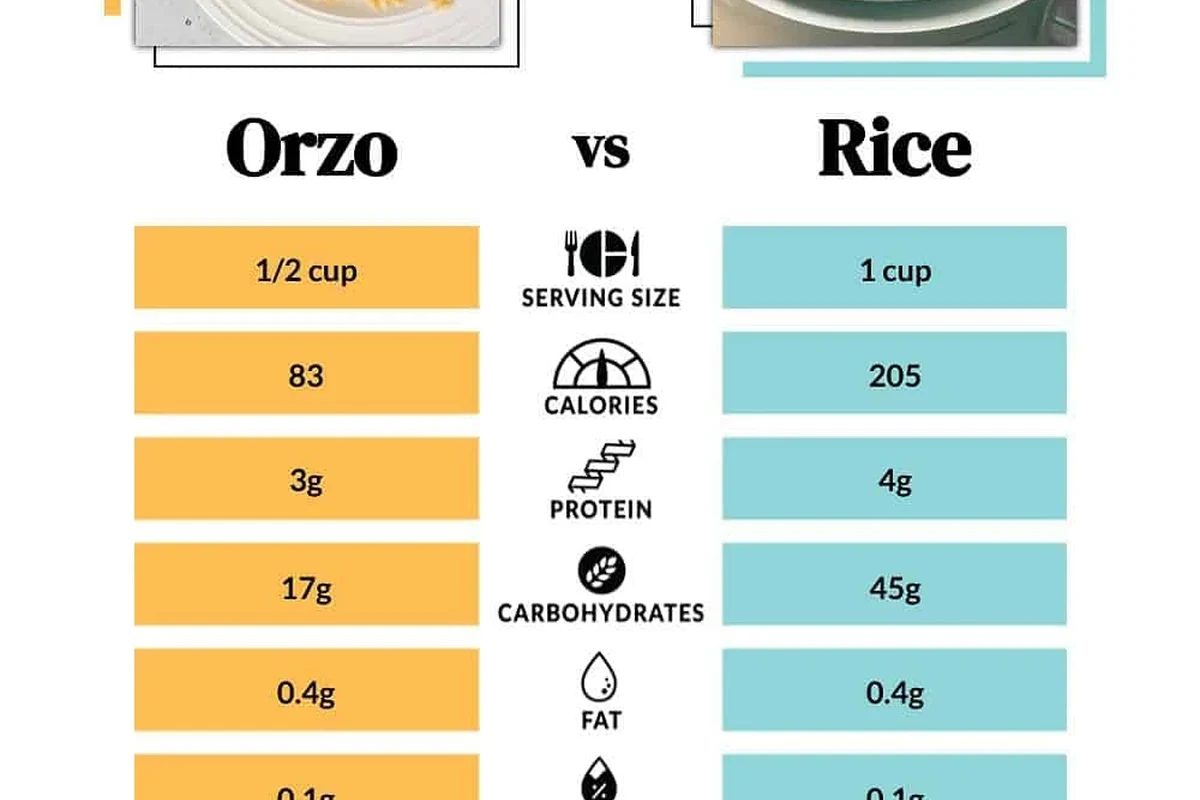
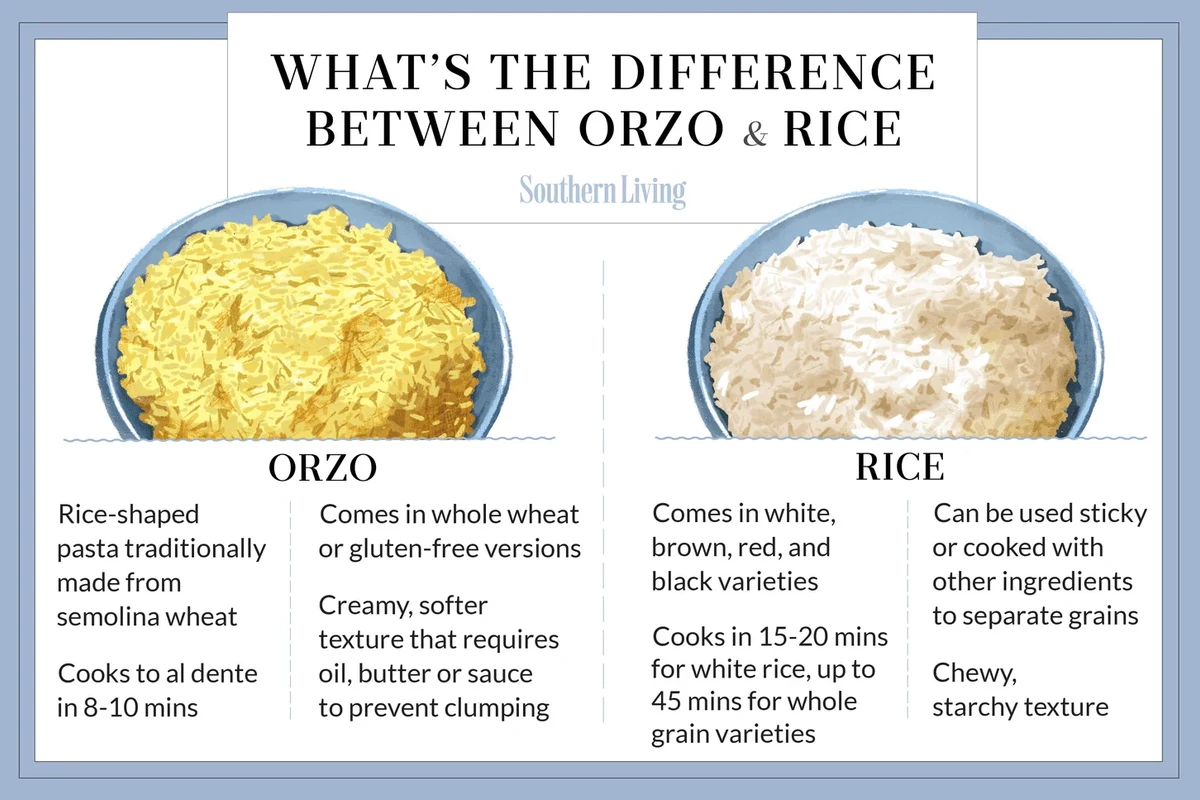
Orzo is a small pasta shaped like rice. Most versions use semolina flour, which comes from durum wheat.
Rice is a grain that grows in many forms. White rice, brown rice, jasmine, basmati, and wild rice each bring different nutrition and texture.
How Orzo Is Made
Most orzo starts with wheat flour and water. The dough gets shaped, cut, and dried, much like other pasta.
Because it is pasta, orzo usually cooks like pasta too. It absorbs water, softens, and turns tender when boiled.
Some brands make whole wheat orzo. That version usually has more fiber than regular orzo.
How White, Brown, and Other Rice Types Compare
White rice has the bran and germ removed. That lowers fiber and some nutrients, but it also gives a softer texture and faster cook time.
Brown rice keeps the bran and germ. That gives it more fiber, more chew, and a more filling feel.
Other rice types can vary a lot. For example, wild rice has a different nutrient profile, while parboiled rice keeps more nutrients than standard white rice.
Nutritional Breakdown That Matters Most
The biggest nutrition differences come from fiber, protein, and how fast the food raises blood sugar. Calories are often closer than people expect.
The real winner changes with the rice type and the meal you’re building.
Calories, Carbs, and Protein
Orzo and rice both provide mostly carbs. That makes them useful energy foods, but neither one is a high-protein food on its own.
Regular orzo often has a bit more protein than white rice. Brown rice may still offer a better balance because it brings more fiber with that energy.
| Option | Best For | Key Consideration |
|---|---|---|
| Orzo | Pasta-style meals and soups | Usually refined unless labeled whole wheat |
| White rice | Quick sides and simple dishes | Low fiber, easy to overeat |
| Brown rice | More filling meals | Longer cook time and firmer texture |
Fiber, Vitamins, and Minerals
Fiber is one of the biggest differences. Brown rice and whole wheat orzo usually beat refined white rice and standard orzo here.
Fiber helps with fullness and can support better digestion. It also slows digestion, which may help some people avoid a fast blood sugar rise.
Whole grains usually keep more of the bran and germ, which is where much of the fiber lives.
Glycemic Impact and Blood Sugar
Blood sugar response depends on the grain, the portion, and the rest of the meal. A large bowl of either food can raise blood sugar more than a small side serving.
Brown rice often has a gentler effect than white rice. Orzo can also be moderate or higher on the glycemic scale, especially when cooked very soft or eaten alone.
If you manage diabetes or another blood sugar condition, talk with a clinician or dietitian about your best grain choices.
Health Benefits and Limits of Orzo
Orzo has some nice strengths, but it is not a superfood. Like most refined grains, it works best when you build the meal around it.
When Orzo Can Be the Better Pick
Orzo can be a good choice when you want a soft, easy-to-eat starch. It also works well in soups, pasta salads, and one-pan meals.
It may feel more satisfying than plain rice in mixed dishes. That happens because the pasta shape holds sauce and blends well with vegetables and protein.
- Pair orzo with beans, chicken, fish, or tofu.
- Add vegetables to raise fiber and volume.
- Use broth or herbs for flavor instead of heavy sauces.
Where Orzo Falls Short
Regular orzo is usually made from refined wheat. That means it often has less fiber than brown rice or whole grain pasta.
It can also be easy to eat a large portion. Small pasta shapes can look modest in the bowl, but the serving can grow fast.
- Easy to use in soups and salads
- Often pairs well with protein
- Can feel comforting and filling
- Usually low in fiber
- Refined versions digest faster
- Portions can get large quickly
Health Benefits and Limits of Rice
Rice has a wider health range than many people think. White rice and brown rice behave very differently in the body.
When Rice Can Be the Better Pick
Brown rice is often the strongest health pick in this comparison. It usually offers more fiber and more staying power than white rice or standard orzo.
Rice can also work well if you need a simple, low-fat base for a balanced meal. It absorbs sauces and pairs easily with vegetables, eggs, seafood, and lean meats.
Best when you want more fiber and a fuller feeling.
Best when you want a soft texture and fast cooking.
Where Rice Falls Short
White rice is usually lower in fiber than brown rice. It may also leave you hungry sooner if the meal lacks protein, fat, or vegetables.
Rice quality and cooking style matter too. Very large servings of white rice can crowd out other helpful foods on the plate.
Store cooked rice and orzo safely. Cool leftovers fast, refrigerate them promptly, and reheat until steaming hot.
Best Choice by Diet Goal and Meal Type
The best choice changes with the meal. Think about fullness, protein needs, and how fast you want the dish to cook.
Weight Loss and Satiety
For weight control, fiber matters a lot. Brown rice usually has the best edge because it can help you feel full longer.
Orzo can still work if you keep the portion modest and add protein and vegetables. A small bowl of orzo soup may satisfy more than a plain rice side.
Brown rice is often the better fit because it brings more fiber.
Orzo can work well in small portions with plenty of vegetables.
Muscle Gain and Higher Protein Meals
Neither food is a true protein source. Still, orzo can have a slight protein edge over white rice.
For muscle gain, the real win comes from the whole plate. Add eggs, chicken, Greek yogurt sauce, beans, or tofu to either one.
Blood Sugar Control and Heart Health
Brown rice usually has the best case for blood sugar control. Its fiber can help slow digestion and improve meal balance.
For heart health, whole grains are usually the safer everyday pick. That makes brown rice or whole wheat orzo better than refined white rice or standard orzo in many cases.
Choose brown rice or whole wheat orzo if it fits your recipe.
Choose white rice or regular orzo, then balance the plate with protein and vegetables.
Common Mistakes When Comparing Orzo and Rice
Many people compare dry nutrition labels and forget how the food is served. That can lead to the wrong conclusion.
Portion Size Problems
A small dry serving can become a much larger cooked portion. That matters because both orzo and rice are easy to overserve.
Use the package serving guide as a starting point, not a rule. Your bowl, recipe, and appetite all affect the final portion.
Cooking Method and Add-Ins
Butter, oil, cheese, creamy sauces, and salty broth can change the health picture fast. The grain itself may be modest, but the extras can add a lot.
For example, plain brown rice is very different from fried rice. Plain orzo is also very different from orzo baked with cheese and sausage.
- Compare the whole recipe, not just the dry grain
- Add vegetables and lean protein
- Watch cooked portions, not just dry amounts
- Assuming all rice is the same
- Ignoring sauces and cooking fat
- Using oversized bowls as a serving guide
Final Verdict: Which One Should You Choose?
If you want the healthiest everyday option, brown rice usually wins. It tends to offer more fiber and better fullness than regular orzo or white rice.
Orzo is still a smart choice when you want a pasta-style dish, a softer texture, or a meal that pairs easily with sauce and protein. If you choose whole wheat orzo, the nutrition gap gets smaller.
Brown rice is usually the better pick for fiber, fullness, and steady energy. Orzo makes sense when the recipe calls for pasta, or when you build a balanced meal around it.
So, is orzo pasta healthier than rice? Not by itself. The better answer is that brown rice is often healthier than regular orzo, while white rice and regular orzo are closer matches.
Frequently Asked Questions
Often, orzo and white rice are pretty close because both are refined grains. Orzo may have a little more protein, but white rice can be just as light or easy to digest.
Usually, yes. Brown rice tends to have more fiber, which can help with fullness and blood sugar control.
Yes, it can. Whole wheat orzo usually has more fiber than regular orzo, so it becomes a stronger choice for everyday meals.
Brown rice is often the best pick because it is more filling. Orzo can still fit if you keep the portion small and add protein and vegetables.
It depends on the type and portion. White rice and regular orzo can both raise blood sugar faster than brown rice.
Cool leftovers quickly, refrigerate them soon, and reheat until steaming hot. If food smells off or sat too long at room temperature, throw it out.