Is Durum Semolina Pasta Healthy What You Need to Know

Yes, durum semolina pasta can be healthy for most people. It works best in moderate portions with vegetables, protein, and a lighter sauce.
Yes, durum semolina pasta can be healthy for most people. It gives you steady energy, some protein, and useful minerals. The real answer depends on your portion size, sauce, and what you eat with it.
- Healthy in context: Durum semolina pasta fits well in balanced meals.
- Portion matters: Large servings can make the meal less healthy.
- Fiber is limited: Whole wheat pasta usually gives more fiber.
- Gluten warning: Durum wheat pasta is not safe for gluten-free diets.
Is Durum Semolina Pasta Healthy? The Short Answer
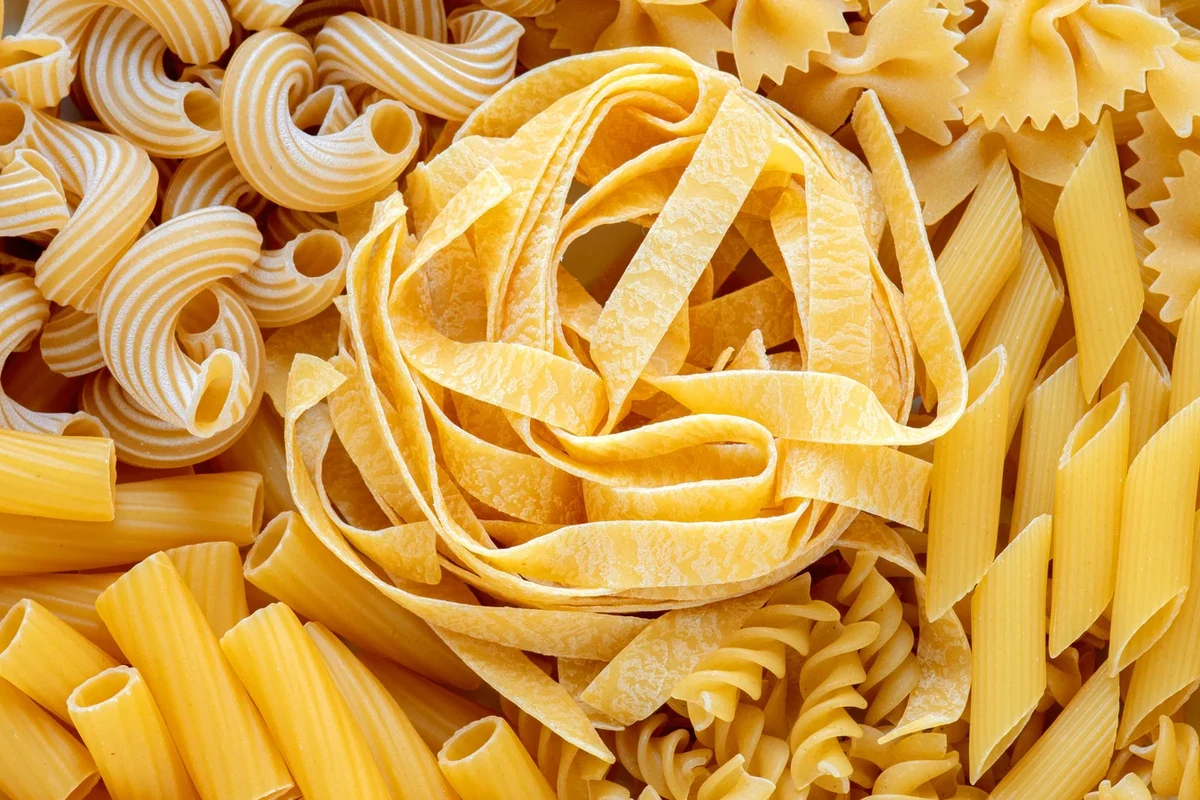
Durum semolina pasta is a solid everyday food. It is not a superfood, but it is not junk food either.
If you keep portions reasonable and build a balanced plate, it can fit a healthy diet well. If you pile on heavy sauce and huge servings, it stops looking so healthy.
What Durum Semolina Pasta Is Made From
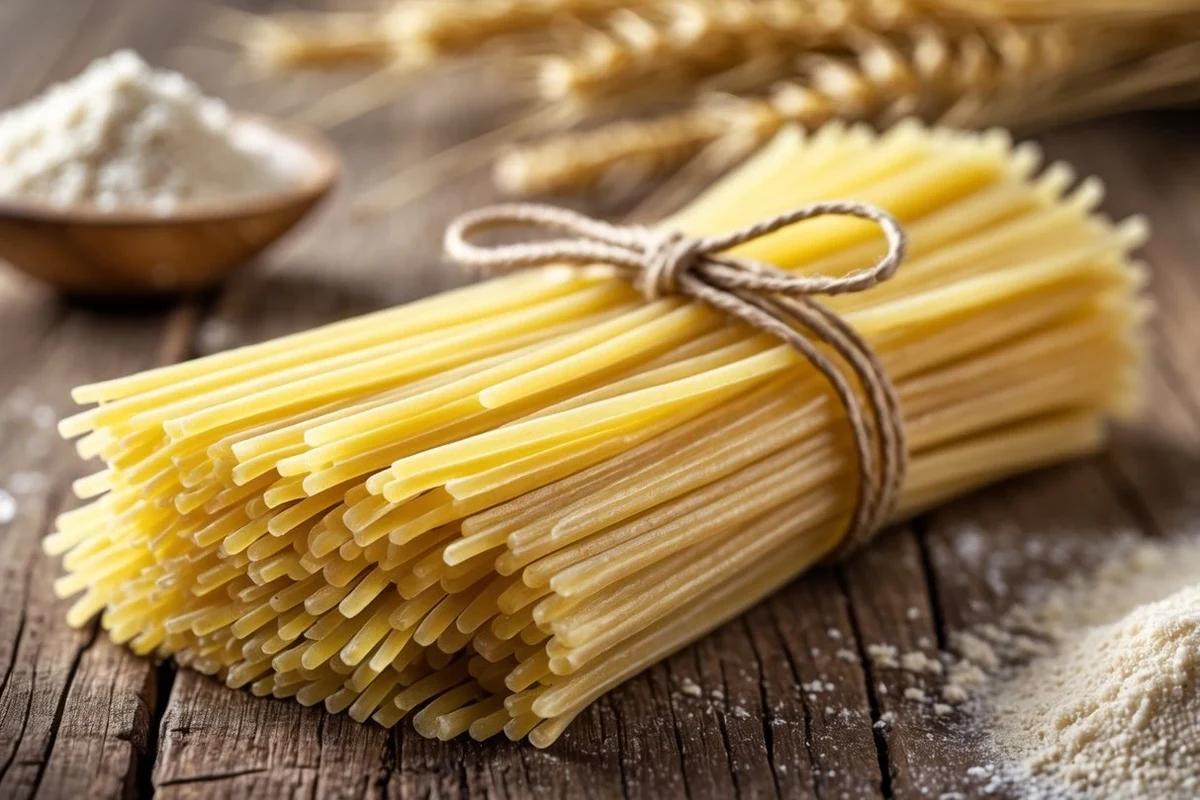
Durum semolina pasta comes from durum wheat. That wheat has a hard, high-protein grain that works well for pasta dough.
Semolina is the coarse flour made from that wheat. It gives pasta its firm bite and golden color.
Durum Wheat and Semolina Explained
Durum wheat is a type of wheat grown for pasta, couscous, and some breads. It has a stronger structure than soft wheat.
Semolina is the milled endosperm of durum wheat. In plain terms, it is the starchy center of the grain after the outer parts are removed.
That is why semolina pasta cooks up firm and holds sauce well. It also tends to feel more filling than some softer refined pastas.
Durum wheat pasta often keeps its shape better than many soft-wheat pastas.
How It Differs From Regular Refined Pasta
Many regular pastas also use refined wheat flour. The big difference is the wheat type and the way the dough behaves.
Durum semolina pasta usually has a firmer texture and a slightly higher protein level than some basic white pastas. That can make it more satisfying.
Still, it is usually a refined grain unless the label says whole wheat. So it does not have the same fiber as whole grain pasta.
Nutritional Profile: What You Get in a Bowl
The nutrition in durum semolina pasta depends on the brand and serving size. Labels can vary a lot, so always check the box.
In general, pasta gives you carbs for energy, some protein, and a small amount of fiber. It also may include added vitamins and minerals if it is enriched.
Calories, Carbs, Protein, and Fiber
Pasta is mostly carbohydrate. That makes it a useful fuel source, especially for active people.
Durum semolina pasta also contains some protein. It is not enough to serve as a full protein food by itself, though.
Fiber is the weak spot in most semolina pasta. Refined versions usually have less fiber than whole wheat pasta, so they digest faster.
| Nutrition factor | What it means | Why it matters |
|---|---|---|
| Carbs | Main energy source | Useful for active meals |
| Protein | Modest amount | Helps with fullness |
| Fiber | Usually lower in refined pasta | Affects digestion and fullness |
Vitamins, Minerals, and Glycemic Impact
Many enriched semolina pastas add B vitamins and iron. That can help replace nutrients lost during milling.
Durum pasta often has a moderate glycemic impact compared with some other refined starches. But the full meal matters more than the pasta alone.
Cooking time matters too. Very soft pasta may raise blood sugar faster than pasta cooked firmer.
Blood sugar response varies by brand, portion size, and what you eat with the pasta.
Health Benefits of Durum Semolina Pasta
Durum semolina pasta has a few clear strengths. It is affordable, flexible, and easy to pair with many healthy foods.
Why It Can Fit a Balanced Diet
It can fit into a balanced diet because it works well with vegetables, lean protein, and healthy fats. That makes it easy to build a complete meal.
Its firm texture also helps it hold sauces without falling apart. That can make meals feel more satisfying, which may help with portion control.
- Easy energy source for busy days
- Pairs well with vegetables and lean protein
- Usually affordable and simple to cook
- Firm texture helps it stay satisfying
Best Uses for Active Lifestyles and Family Meals
Durum semolina pasta works well before or after activity because it gives quick, usable energy. Runners, cyclists, and busy parents often like that.
It also works well for family meals because most people enjoy the taste and texture. You can stretch it with vegetables and still keep the meal filling.
When Pasta Fits Best
Use durum semolina pasta when you want a simple base for a balanced meal, not a heavy dish.
Limits and Drawbacks to Watch For
Durum semolina pasta has limits. It is still refined grain pasta in many cases, and that means lower fiber than whole grain options.
The biggest health issue is usually how much you eat and what you add on top.
When Portion Size and Sauce Matter Most
A small bowl of pasta can be fine. A huge bowl with creamy sauce and little else can turn into a calorie-heavy meal fast.
Tomato sauce, olive oil, beans, vegetables, and lean meats usually make a better mix than heavy cream sauces. That simple swap can change the meal a lot.
Large portions and rich sauces can make pasta meals much less balanced.
Who May Want to Choose a Different Pasta
People who need more fiber may want whole wheat or legume pasta instead. That can help with fullness and digestion.
People with celiac disease or gluten sensitivity should avoid durum wheat pasta unless it is clearly gluten-free. Durum is still wheat.
Some people also notice that refined pasta does not keep them full for long. If that sounds like you, a higher-fiber option may work better.
How to Choose a Healthier Durum Semolina Pasta
Not all pasta boxes are the same. A quick label check can help you make a better choice.
What to Check on the Label
Look for a short ingredient list. The best basic pasta often lists durum semolina and maybe water.
Check the fiber, protein, and sodium on the nutrition panel. Lower sodium is nice, but plain dry pasta is usually not very salty.
If the pasta is enriched, that can be a plus. It may add iron and B vitamins back into the grain.
- Check the ingredient list for simple, clear ingredients
- Compare fiber and protein across brands
- Look for whole wheat if you want more fiber
- Confirm gluten-free only if you need it
Whole Wheat, Enriched, and Gluten-Free Options
Whole wheat pasta keeps more of the grain. That usually means more fiber and a fuller feel.
Enriched pasta is still refined, but it can offer added nutrients. That makes it a decent middle ground for many families.
Gluten-free pasta is a different choice entirely. It may be made from rice, corn, lentils, or other grains and beans.
Best for more fiber and a slower meal.
Best for a classic taste with added nutrients.
Common Mistakes When Cooking and Serving It
Cooking mistakes can make pasta less healthy than it needs to be. The good news is that these are easy to fix.
Overcooking, Oversaucing, and Big Portions
Overcooked pasta can become soft and less satisfying. That may make it easier to eat too much.
Too much sauce can hide the pasta and add more fat, sugar, and salt than you expect. This is common with jarred sauces and restaurant meals.
Big portions are another easy trap. A plate that looks normal in a large bowl may still be more than you need.
- Cook pasta until just tender
- Use sauce as a coating, not a blanket
- Add vegetables for more volume and fiber
- Boiling pasta until it turns mushy
- Drowning it in heavy sauce
- Serving pasta as the whole meal
Simple Ways to Build a Better Pasta Plate
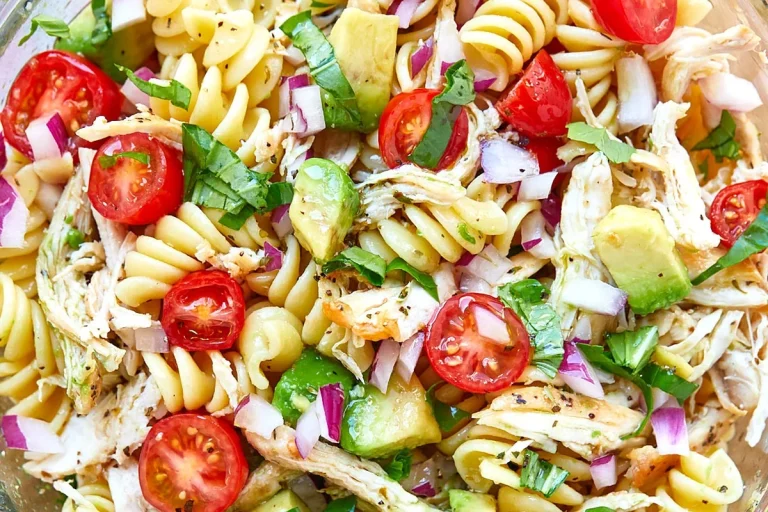
Try this simple rule. Fill half your plate with vegetables, then add pasta and a protein.
Good choices include chicken, tuna, beans, tofu, shrimp, or lentils. That mix helps the meal feel more complete.
A small amount of olive oil, herbs, garlic, or tomato sauce can add flavor without piling on extra calories.
- Choose firmer pasta for better texture and satiety
- Mix in vegetables before adding more sauce
- Use a smaller bowl to help control portions
Final Verdict: Is Durum Semolina Pasta Healthy for Most People?
For most people, yes, durum semolina pasta can be a healthy part of the diet. It works best as one part of a balanced meal.
If you want a classic pasta texture, good cooking results, and easy meal pairing, it is a smart choice. If you need more fiber or must avoid gluten, another pasta may fit better.
Durum semolina pasta is healthy enough for most home meals when portions stay moderate and the plate includes vegetables and protein. Choose whole wheat or gluten-free pasta if your diet needs more fiber or no gluten.
Best Choice, Best Use, and Practical Recommendation
Best choice: durum semolina pasta for people who want a familiar taste and a firm bite.
Best use: quick family dinners, meal prep, and active-day meals with balanced toppings.
Practical recommendation: keep the pasta portion moderate, choose a lighter sauce, and add vegetables every time you can.
- Durum semolina pasta can fit a healthy diet.
- Portion size and sauce matter most.
- Whole wheat offers more fiber.
- Gluten-free pasta is needed for wheat-free diets.
Frequently Asked Questions
It can be, but it depends on the brand and recipe. Durum semolina pasta often has a firmer texture and may feel more filling.
Usually, no. Most durum semolina pasta is refined, so whole wheat pasta usually has more fiber.
It can be if you keep portions moderate and build a balanced plate. Sauce choice and added vegetables matter a lot.
No, not unless the pasta is clearly labeled gluten-free. Durum wheat still contains gluten.
Pair it with vegetables, lean protein, and a lighter sauce. That gives you a more balanced meal.
Choose whole wheat if you want more fiber and a slower-digesting meal. Choose semolina if you prefer a classic pasta texture and taste.