How Many Cups in a Pound of Dry Pasta Made Simple

A pound of dry pasta is usually about 8 cups for long noodles and 4 to 5 cups for small shapes. A kitchen scale gives the most accurate answer, but shape-based cup estimates work well in a pinch.
If you’re asking how many cups in a pound of dry pasta, the short answer is usually about 8 cups for long pasta and 4 to 5 cups for short pasta. The exact count changes with shape, size, and how the pasta sits in the cup.
- Best method: Weigh dry pasta for the most accurate result.
- Shape matters: Long noodles and short shapes fill cups differently.
- Common range: Expect about 4 to 8 cups per pound.
- Measure loosely: Do not pack pasta down into the cup.
How Many Cups in a Pound of Dry Pasta? The Quick Answer
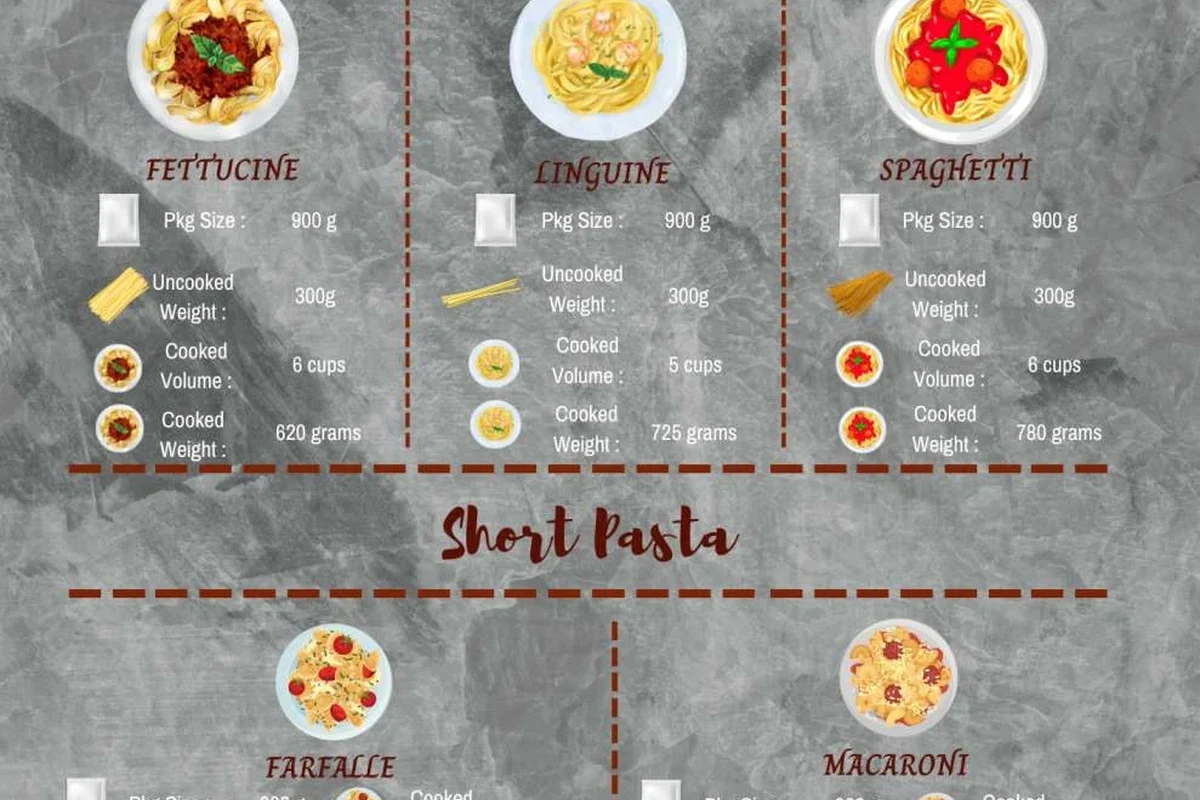
A pound of dry pasta does not always equal the same number of cups. A good rule is this: long pasta like spaghetti often measures close to 8 cups, while small shapes often land closer to 4 to 5 cups.
That range exists because pasta shapes leave different amounts of air space in a measuring cup. A loose nest of spaghetti fills a cup differently than short elbows or penne.
In short, the best answer depends on the pasta you’re cooking. If you want the most reliable result, use a kitchen scale.
Why the Answer Changes by Pasta Shape and Size
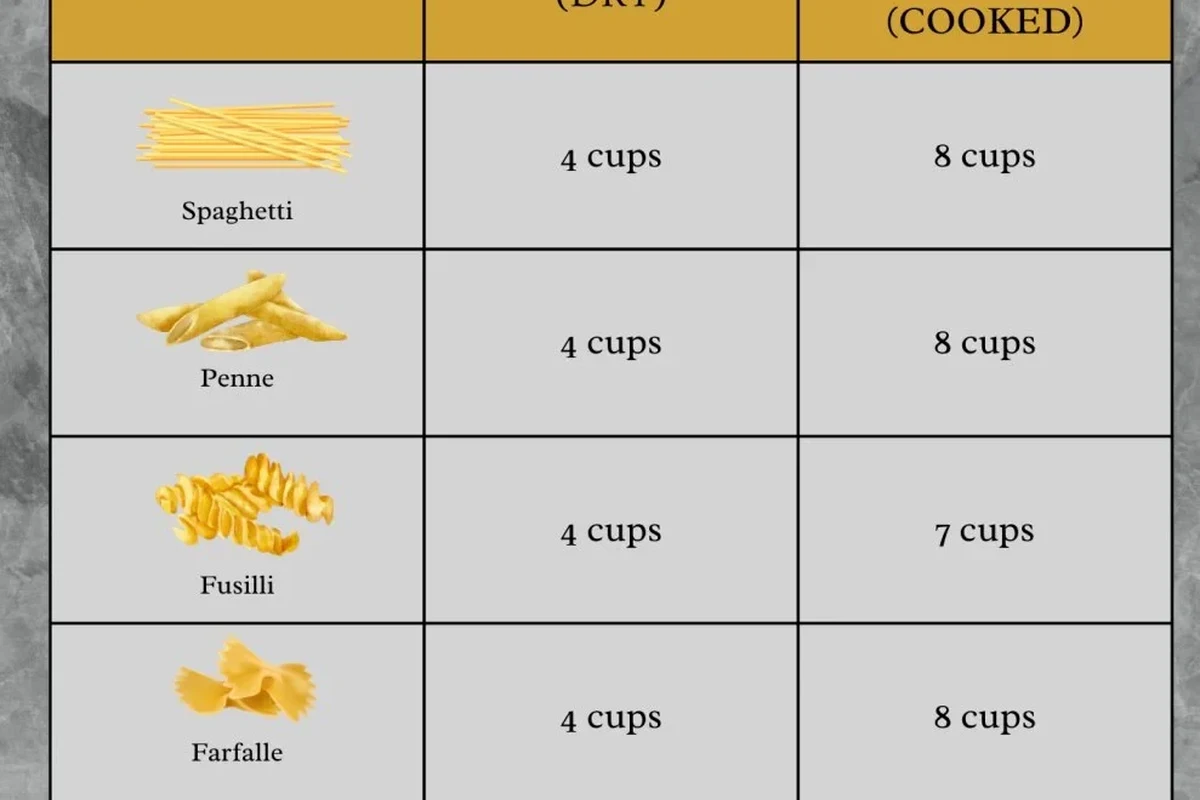
Dry pasta comes in many shapes, and each one takes up space in a different way. That makes cup counts only an estimate unless you know the exact shape.
Think of it like filling a jar with sticks versus coins. Both can weigh the same, but they take up very different space.
Long pasta like spaghetti and linguine
Long noodles usually take up more room in a cup. They bend, overlap, and trap air, so they often need more cups to reach one pound.
Spaghetti, linguine, fettuccine, and similar noodles often measure around 8 cups per pound when broken or loosely packed. A pasta measure tool can help, but a scale is still better.
Short pasta like penne, rotini, and elbows
Short pasta fits together more tightly. Because of that, it often takes fewer cups to make a pound.
Penne, rotini, ziti, elbows, and similar shapes often fall near 4 to 5 cups per pound. The exact number still depends on the shape and how full the cup is.
Large pasta like lasagna and shells
Large shapes vary the most. Some pieces are flat and broad, while others are curved and hollow.
Lasagna noodles, jumbo shells, and big rigatoni can shift the count a lot. For these, cups are less useful than weight.
Brand, cut size, and broken pieces can change the cup count more than many people expect.
How to Measure a Pound of Dry Pasta the Right Way
The right method depends on what tools you have. A scale gives the best accuracy, but measuring cups can still work for everyday cooking.
Using a kitchen scale for the most accurate result
A kitchen scale is the simplest way to measure dry pasta. Put a bowl on the scale, zero it out, and add pasta until you reach 1 pound.
This method works well for any shape. It also helps when you want to scale recipes up or down without guesswork.
Using measuring cups when you do not have a scale
If you do not have a scale, use cups as a rough guide. Start by checking the shape, then match it to a trusted estimate.
Do not pack the pasta down hard. A pressed cup can hold much more pasta than a loose one, which throws off the amount.
- Fill the cup lightly and level it off.
- Use shape-based estimates as a guide.
- Shaking pasta hard into the cup.
- Using one cup rule for every pasta shape.
Common Pasta Types and Their Cup Estimates
These estimates can help when a recipe gives weight, but you only have measuring cups. Treat them as starting points, not exact lab numbers.
Spaghetti and other long noodles
Long noodles often measure near 8 cups per pound. That includes spaghetti, vermicelli, linguine, and similar shapes.
If the noodles are very long, they may not sit neatly in a cup. In that case, a scale gives you a cleaner answer.
Macaroni, penne, and small shapes
Small shapes often land around 4 to 5 cups per pound. Macaroni, penne, ziti, rotini, and elbows usually fit this range.
These shapes pack more tightly, so they usually need fewer cups than long pasta.
Farfalle, rigatoni, and larger shapes
Medium and large shapes can vary a lot. Farfalle, rigatoni, and similar pasta may fall somewhere between small shapes and long noodles.
If you cook these often, it helps to check the package weight and learn your usual brand’s look and feel.
| Option | Best For | Key Consideration |
|---|---|---|
| Long pasta | Spaghetti, linguine, fettuccine | Often near 8 cups per pound |
| Small pasta | Elbows, penne, rotini | Often near 4 to 5 cups per pound |
| Large pasta | Lasagna, jumbo shells, rigatoni | Measure by weight when possible |
When Cup Counts Matter in Real Cooking
Cup counts matter most when you’re cooking without a scale. They also help when you want a fast estimate for dinner planning.
Meal planning and family dinners
If you cook for a family, you may want a simple way to guess portions. Cup estimates help you avoid making far too much or too little.
That said, pasta appetite varies a lot. A side dish needs less than a main course.
Scaling recipes up or down
Recipes often list pasta in pounds. If you only need half a batch, cup estimates can help you cut the amount fast.
This is handy for casseroles, soups, and baked pasta dishes. It also helps when you cook for one or two people.
Tracking portions and serving sizes
Some home cooks like to keep portions steady from week to week. Measuring pasta by weight helps with that, but cups can still work in a pinch.
For portion control, the shape matters less than consistency. Use the same method each time for the closest match.
- Use weight for meal prep and repeatable portions.
- Use cups only as a backup method.
- Write down your usual brand’s cup estimate.
Common Mistakes People Make When Measuring Dry Pasta
Most pasta measuring mistakes come from speed, not bad cooking. A few small habits can throw off the result.
Packing pasta too tightly
Pressing pasta into a cup makes the amount look bigger than it is. That can lead to extra servings or a sauce that feels too thin.
Fill the cup lightly and level it off instead.
Mixing up dry and cooked pasta measurements
Dry pasta and cooked pasta are not the same thing. Dry pasta swells as it cooks, so the cup count changes a lot.
If a recipe says 1 pound dry pasta, do not swap in 1 pound cooked pasta.
Guessing instead of checking the shape
Not all pasta behaves the same way. A cup of shells is not the same as a cup of spaghetti.
Always check the shape first. That one step saves a lot of confusion.
For best results, follow the recipe’s dry weight when it gives one. Do not rely on a single cup rule for every pasta shape.
Storage, Freshness, and Value Tips for Dry Pasta
Dry pasta keeps well, which makes it a smart pantry staple. Good storage also helps you waste less and save money.
How to store pasta for best quality
Keep dry pasta in a cool, dry place. A sealed container helps protect it from moisture and pests.
If the package is open, move the pasta to a tight container or resealable bag. That keeps it cleaner and easier to grab next time.
How to avoid waste and stretch your budget
Buy pasta shapes you use often. It’s easier to cook the right amount when you know how each shape measures.
Use leftovers in soups, baked dishes, or quick skillet meals. That helps turn a small amount of pasta into another full meal.
Seal opened pasta and store it in a dry cabinet.
Check for broken packages, moisture, or pantry pests.
Final Recommendation: The Easiest Way to Measure Pasta with Confidence
The easiest way to measure dry pasta is by weight. If you have a scale, use it every time.
If you only have cups, use the pasta shape as your guide. Long pasta often comes close to 8 cups per pound, while small shapes often land near 4 to 5 cups.
In short, the answer to how many cups in a pound of dry pasta depends on the shape. A scale gives the cleanest result, but a careful cup estimate works well for everyday cooking.
- Long pasta usually needs more cups per pound.
- Small pasta usually needs fewer cups per pound.
- A kitchen scale gives the best accuracy.
- Loose filling beats packing pasta into the cup.
Frequently Asked Questions
It depends on the shape. Long pasta often comes to about 8 cups per pound, while small shapes often land around 4 to 5 cups.
Different shapes leave different amounts of air space in a measuring cup. Long noodles bend and overlap, while short shapes pack more tightly.
Yes, a scale is more accurate because it measures weight instead of volume. That works for any pasta shape and helps with recipe changes.
No, that can lead to big errors. Spaghetti, penne, shells, and lasagna noodles all fill a cup differently.
The most common mistake is packing pasta too tightly into the cup. That makes the amount look larger than it really is.
Store it in a cool, dry place in a sealed container or bag. That helps protect the pasta from moisture and pests.