How Many Cups Is 16 Oz of Dry Pasta Easy Guide

Sixteen ounces of dry pasta is usually about 4 cups, but the exact amount depends on the shape. A kitchen scale gives the most accurate result.
If you’re asking how many cups is 16 oz of dry pasta, the short answer is usually about 4 cups for many short pasta shapes. But the real answer changes with the shape, size, and how tightly the pasta sits in the cup.
- Quick estimate: 16 oz of dry pasta is usually about 4 cups.
- Shape matters: Long, short, and tiny pasta measure differently.
- Best accuracy: Use a kitchen scale for exact 16-ounce portions.
- Common mistake: Dry pasta ounces are not the same as cooked volume.
- Practical rule: Cups work for speed, but weight works better for precision.
How Many Cups Is 16 Oz of Dry Pasta? Quick Answer
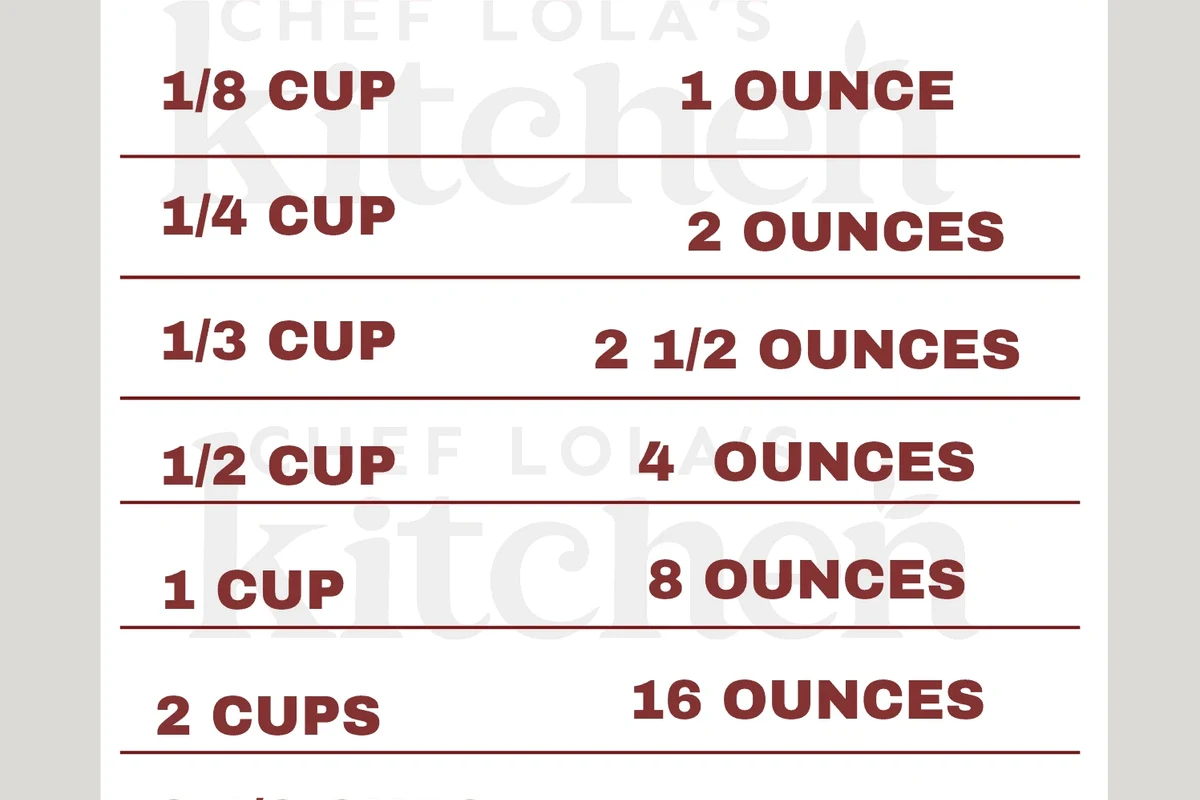
For many dry pasta shapes, 16 ounces is close to 4 cups. That said, this is only a rough guide, not a fixed rule.
Long pasta like spaghetti takes up space differently than penne or elbows. Very small pasta can also pack more tightly, so the cup count shifts.
Is 16 oz of dry pasta always 4 cups?
No. Four cups is a helpful estimate, but pasta shape can change the result a lot.
Why the answer changes by pasta shape
Pasta is not like flour or sugar. One cup of spaghetti has big air gaps, while one cup of small shells can hold more pieces.
That means the same 16 ounces can look very different in a measuring cup. A loose cup of long pasta may weigh less than a packed cup of small pasta.
Shape matters most when you measure pasta by volume instead of weight.
What 16 ounces means in weight, not volume
Dry pasta labels usually use ounces as weight. That is different from fluid ounces, which measure volume.
This is where many home cooks get mixed up. Sixteen ounces of pasta does not mean 16 fluid ounces of space in a cup.
In short, ounces tell you how heavy the pasta is. Cups tell you how much room it takes up.
Dry Pasta Measuring Basics You Need to Know
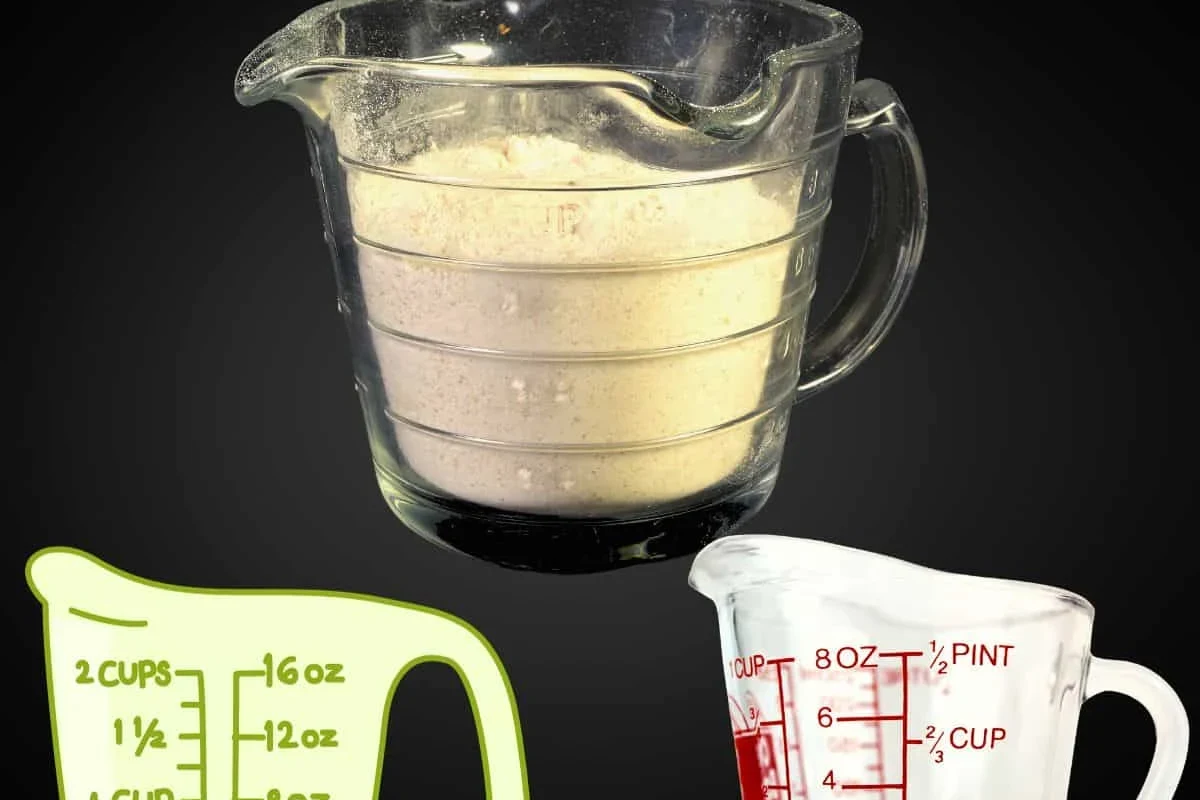
Once you know the difference between weight and volume, pasta math gets easier. It also helps you avoid too much or too little pasta for a recipe.
Cups versus ounces for home cooking
Cups work fine when you need a fast estimate. They are simple, and most kitchens already have them.
Ounces by weight are more exact. They help you match the recipe the way the writer likely meant it.
Why kitchen scales give the best result
A kitchen scale removes guesswork. You can measure 16 ounces exactly, no matter the pasta shape.
That matters for sauces, meal prep, and larger family meals. It also helps when you want the same result every time.
If a recipe lists pasta in ounces, a scale is the cleanest way to follow it.
How package labels can help, but still confuse
Many pasta boxes list servings in ounces, cups, or both. That sounds helpful, but the numbers can still be hard to compare.
Some labels refer to dry pasta, while others mention cooked servings. Always check which one the package means before you measure.
Common Pasta Shapes and Their Cup Conversions
There is no single perfect cup count for every pasta shape. Still, a few general ranges can help you plan dinner.
Long pasta like spaghetti and linguine
Long pasta usually measures a bit differently from short pasta. A loose cup of spaghetti often weighs less than a cup of penne.
For long noodles, many cooks find that 16 ounces is around 4 cups, but the feel can be airy. If the noodles are broken, the count can shift again.
Short pasta like penne, rotini, and elbows
Short pasta often gives a more stable cup count. Shapes like penne, rotini, and elbows settle more evenly in a measuring cup.
For many of these shapes, 16 ounces still lands near 4 cups. Even so, the exact number can move a little from brand to brand.
Small pasta like orzo and shells
Small pasta can pack into a cup more tightly. That means you may get more weight in the same cup than you would with long noodles.
Orzo, tiny shells, and similar shapes often feel denser. If you need accuracy, weigh them instead of relying on a cup guess.
Dry pasta almost always expands a lot when cooked, so the cooked amount is much larger than the dry amount.
How to Measure 16 Oz of Dry Pasta the Right Way
The best method depends on what tools you have. You can still get a good result without fancy gear.
Using a measuring cup without packing it down
Scoop the pasta lightly into the cup. Do not press it down or shake it hard.
Then level the top with a straight edge. This gives you a more honest cup count than stuffing the cup full.
- Fill the cup loosely
- Level the top gently
- Measure the same way each time
- Pressing pasta into the cup
- Shaking the cup to settle it
- Guessing by eye for every shape
Using a food scale for the most accurate result
Set the bowl or container on the scale first. Then zero it out before adding the pasta.
Add pasta until the scale reads 16 ounces. That method works best for recipes that need steady results.
How to estimate when you do not have a scale
If you have no scale, use the package serving guide first. Then compare that with the recipe’s total amount.
For many dry pasta shapes, 16 ounces is roughly 4 cups. Treat that as a starting point, not a guarantee.
- Use the same cup each time for better consistency.
- Check the pasta box for serving clues.
- Weigh pasta when you cook for guests.
What Affects the Cup Count in Dry Pasta
Several small things can change the cup count. That is why one recipe may seem off even when you follow it closely.
Shape, size, and thickness
Thin pasta and thick pasta do not measure the same way. Thick shapes leave more gaps, while small shapes settle more tightly.
Even two pasta shapes with the same weight can look very different in a cup. That is normal.
Brand differences and pasta type
Different brands may cut or dry pasta a little differently. Whole wheat, gluten-free, and enriched pasta can also behave differently in a cup.
So if a recipe feels off, the pasta itself may be part of the reason. Weight is still the safest guide.
Broken pieces and uneven shapes
Broken spaghetti and uneven pasta pieces can change how much fits in a cup. Smaller broken bits settle more tightly.
That means a cup of broken pasta may weigh more than a cup of whole strands. This is another reason scales are so useful.
When 16 Oz of Pasta Is the Right Amount
Sixteen ounces is a common home-cooking amount. It works well when you want a full family meal or planned leftovers.
Serving size for family dinners
For many dinners, 16 ounces gives enough pasta for a crowd. It pairs well with sauce, vegetables, or protein.
If you serve a rich sauce, the pasta may go further. If pasta is the main event, you may want a bit more per person.
Meal prep, leftovers, and batch cooking
Sixteen ounces is handy for meal prep because it creates a solid batch. You can portion it into lunch boxes or save extra for later.
Just remember that cooked pasta stores best when cooled soon after cooking. Follow safe food storage practices and refrigerate leftovers promptly.
How many people 16 ounces usually feeds
It often feeds about four to six people, depending on appetite and the rest of the meal. Bigger eaters may need more.
If you are serving kids, side dishes, or a heavy sauce, 16 ounces may stretch farther. For a pasta-only meal, it may not go as far.
Common Mistakes When Measuring Dry Pasta
Most pasta mistakes come from mixing up dry and cooked amounts. A few simple habits can fix that fast.
Confusing dry weight with cooked volume
Dry pasta grows a lot after boiling. A small dry amount can turn into a much larger cooked serving.
So if a recipe says 16 ounces dry, do not measure 16 ounces cooked pasta instead. That will give you the wrong amount.
Overfilling cups and stirring up the pasta
It is easy to overfill a cup when you rush. Stirring or shaking the cup can also settle the pasta too tightly.
That makes the cup count look right while the weight is off. A loose, level fill is better.
Guessing portions for recipes and sauces
Guessing can throw off the sauce balance. Too much pasta can leave the dish dry, while too little can make it soupy.
If the sauce seems too thick or too thin, the pasta amount may be the reason. Measuring more carefully helps the whole dish.
Always follow the pasta package and recipe directions for boiling time and food safety. Hot water and steam can cause burns.
Best Final Takeaway for Home Cooks
The simplest answer is this. For many dry pasta shapes, 16 ounces is about 4 cups.
Still, shape and brand can change that number. If you want the most reliable result, weigh the pasta instead of trusting cups alone.
Simple rule of thumb to remember
Use 4 cups as a rough estimate for 16 ounces of dry pasta. Then adjust a little based on the shape.
Long noodles, short tubes, and tiny shapes all behave differently. That is why exact cup counts can vary.
When to trust cups and when to trust weight
Trust cups when you need speed and the recipe is flexible. Trust weight when you want accuracy, repeatable results, or better sauce balance.
In short, cups are fine for a quick dinner. Weight is better for the best cook, the best texture, and fewer surprises.
- 16 oz of dry pasta is usually about 4 cups.
- Shape, size, and brand can change the cup count.
- A kitchen scale gives the most accurate result.
- Do not mix up dry ounces with cooked pasta volume.
Frequently Asked Questions
No. Four cups is a helpful estimate, but pasta shape can change the result a lot. Long pasta, short pasta, and tiny shapes all measure differently.
Pasta shapes leave different amounts of air space in a cup. Small shapes pack more tightly, while long noodles stay more loose.
A scale is more accurate because it measures weight directly. Cups are fine for quick estimates, but they can vary by shape and how the pasta settles.
It often feeds about four to six people, depending on appetite and the rest of the meal. If pasta is the main dish, the amount may go faster.
The biggest mistake is mixing up dry weight with cooked volume. A dry 16-ounce amount expands a lot after boiling.
Yes, but fill the cup loosely and level it off gently. Treat 16 ounces as roughly 4 cups for many pasta shapes, then adjust if needed.