How Many Cups Is 6 Oz of Tomato Paste Easy Guide

Six ounces of tomato paste is about 3/4 cup. It also equals about 12 tablespoons.
If you need a fast answer, 6 ounces of tomato paste is about 3/4 cup. That is the best kitchen estimate for most home cooking.
- Best conversion: 6 ounces of tomato paste is about 3/4 cup.
- Useful backup: 6 ounces is about 12 tablespoons.
- Most exact method: Use a kitchen scale for sticky ingredients.
- Best everyday method: Spoon into a dry cup and level the top.
- Storage tip: Freeze leftovers in small portions for later use.
How Many Cups Is 6 Oz of Tomato Paste? The Quick Answer
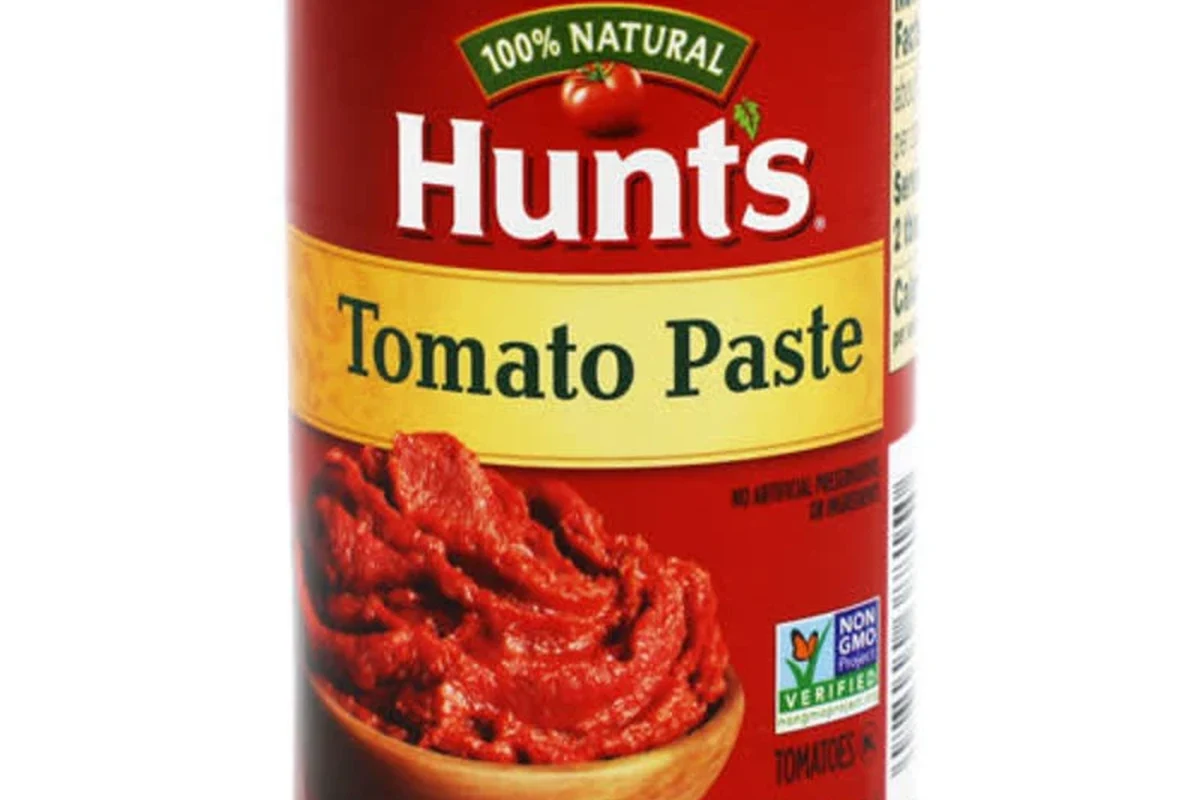
Six ounces of tomato paste equals about 3/4 cup. In many recipes, that is the amount you should use unless the recipe says to pack or level it a certain way.
This answer works well for everyday cooking. Still, the exact amount can shift a little because tomato paste is thick and sticky.
What 6 Ounces of Tomato Paste Means in Cups
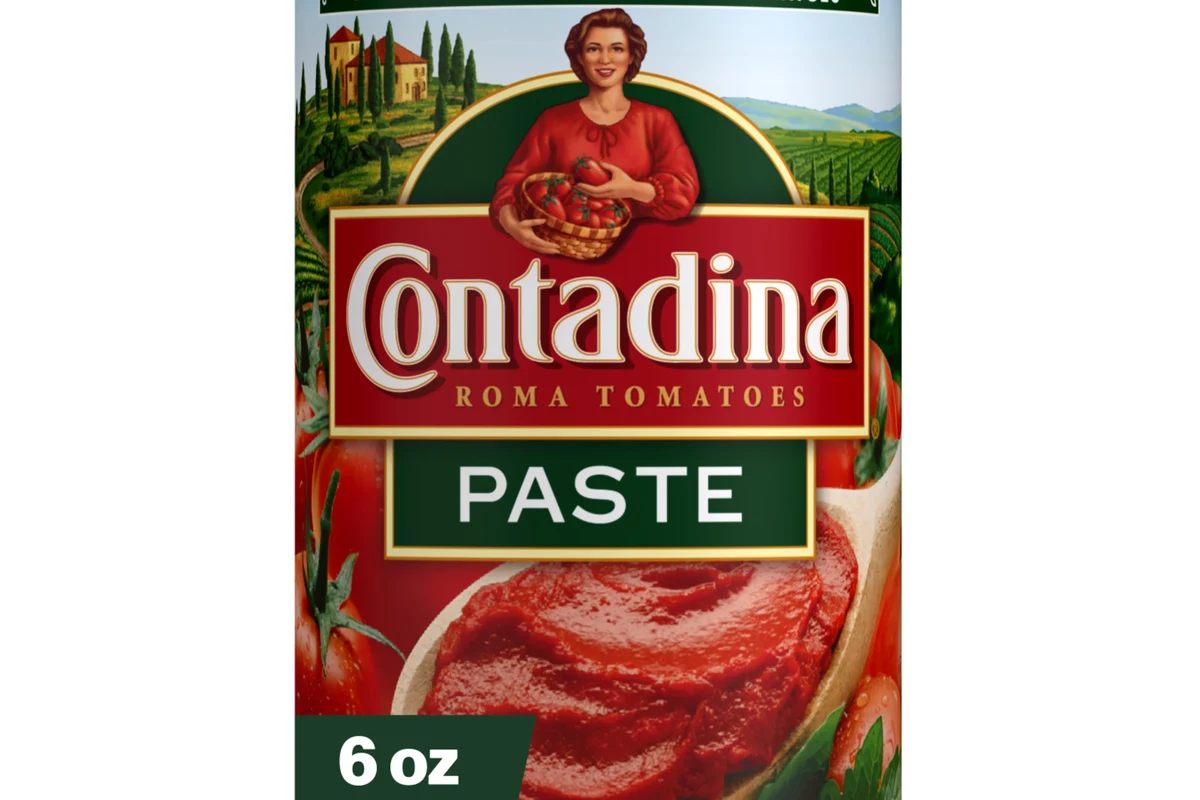
Tomato paste is not like water or milk. It does not pour neatly, so cup counts can vary a bit.
When cooks ask how many cups is 6 oz of tomato paste, they usually want a practical kitchen conversion. The most useful answer is 3/4 cup.
Why Weight and Volume Are Not the Same
Weight tells you how heavy an ingredient is. Volume tells you how much space it fills.
That difference matters with thick foods like tomato paste. A cup of paste can weigh more or less depending on how tightly it is packed.
Different brands can have slightly different thickness. That can change the final cup amount a little.
The Best Kitchen Estimate for Tomato Paste
The best estimate is 3/4 cup for 6 ounces. That is the number most home cooks can use with confidence.
If you want to be extra careful, use a scale. It gives the most exact result for thick ingredients.
How to Measure Tomato Paste the Right Way
You can measure tomato paste in a few simple ways. The best method depends on how exact you need to be.
Using a Measuring Cup
Spoon the paste into a dry measuring cup. Then level the top with a spoon or spatula.
Do not scoop straight from the can if you can avoid it. That can pack the paste too tightly and throw off the amount.
Using a Spoon and Scale
A kitchen scale is the easiest way to measure 6 ounces exactly. Place a bowl on the scale, tare it, then add the paste until you reach 6 ounces.
If you do not have a scale, use tablespoons as a backup. Six ounces is about 12 tablespoons of tomato paste.
How to Handle Sticky Paste Cleanly
Tomato paste sticks to nearly everything. Lightly oiling the spoon can help it slide off more easily.
You can also use a rubber spatula to scrape the cup clean. That saves waste and keeps your counter less messy.
- Use a spoon to fill the cup, not a scoop.
- Wipe the spoon with a little oil if the paste clings.
- Scrape the sides so you don’t leave paste behind.
Tomato Paste Conversions You’ll Use अक्सर in Cooking
Tomato paste often comes in small cans or tubes. Knowing a few common conversions makes recipe work much easier.
1 Ounce, 3 Ounces, and 6 Ounces Compared
One ounce of tomato paste is about 2 tablespoons. Three ounces is about 6 tablespoons, or 3/8 cup.
Six ounces is about 12 tablespoons, or 3/4 cup. That is the size many recipes use for richer tomato flavor.
How Many Tablespoons Are in 6 Ounces
There are about 12 tablespoons in 6 ounces of tomato paste. This is a handy number when you do not want to use a cup.
Tablespoons work well for small batches. They also help when you only need part of a can.
How to Scale Recipes Up or Down
If a recipe needs more sauce, you can double the paste and other ingredients. If it needs less, cut the paste in half and taste as you go.
Remember that tomato paste is strong. A little goes a long way in pasta dishes.
Tomato paste adds depth because it is cooked down longer than sauce or puree.
Why Tomato Paste Matters in Pasta Recipes
Tomato paste does more than add tomato taste. It helps build a sauce with deeper color and a thicker body.
Flavor, Color, and Thickness
Paste gives pasta sauce a bold, rich taste. It also makes the sauce look darker and more full.
That is why many cooks start with tomato paste when they want a hearty red sauce.
When to Use Paste Instead of Sauce or Puree
Use paste when you want strong flavor in a small amount. Use sauce when you want a looser, ready-to-use base.
Use puree when you want something in between. Each one has a different job in the pot.
Common Measuring Mistakes to Avoid
Tomato paste seems simple, but a few small mistakes can change your recipe. Most of them are easy to avoid.
Guessing by Can Size Alone
Do not assume every can holds the same amount you need. Some cans are 6 ounces, but recipes may call for part of a can.
Always check the label and measure if the recipe asks for a specific amount.
Confusing Fluid Ounces with Dry Ounces
Fluid ounces measure volume. Dry ounces measure weight.
Tomato paste is usually measured by weight on the package, then converted to cups in the kitchen.
Overpacking the Measuring Cup
Do not press the paste down hard unless the recipe tells you to. Packing can make you use too much.
For best results, fill the cup gently and level it off.
Always check can labels and recipe notes before you cook. Ingredient sizes can vary by brand and region.
Storage, Safety, and Freshness Tips
Tomato paste keeps well if you store it the right way. Good storage helps reduce waste and keeps the flavor fresh.
How to Store Leftover Tomato Paste
Move leftover paste to a clean, sealed container. You can also freeze small spoonfuls on a tray for later use.
Freezing in small portions is helpful when you only need a tablespoon or two at a time.
How Long It Lasts After Opening
Opened tomato paste usually lasts only a short time in the fridge. Exact timing can vary by brand and storage method.
For the best quality, use it soon after opening or freeze the rest right away.
When to Toss It Out
Throw it away if you see mold, smell sour odors, or notice a strange color change. If the can is damaged or bulging, do not use it.
Follow the package directions and food safety rules. If food looks or smells off, it is safer to discard it.
Best Ways to Use 6 Ounces of Tomato Paste in Real Recipes
Six ounces sounds small, but it can go a long way. It often makes enough paste for a full pot of sauce or stew.
Simple Pasta Sauce
Use 6 ounces of tomato paste with garlic, oil, water, and herbs for a quick sauce base. Stir it well so it does not taste raw.
Let it cook for a few minutes before adding pasta water or broth. That helps the flavor open up.
Soup, Stew, and Chili Uses
Tomato paste adds body to soup, stew, and chili. It also helps balance savory flavors.
If the dish already has tomatoes, start with less and taste before adding more.
When 6 Ounces Is Too Much or Too Little
For a small skillet sauce, 6 ounces may be more than you need. For a large family pot, it may be just right.
Use the recipe as your guide. Tomato paste is strong, so adjusting by taste works well.
- Adds rich tomato flavor fast
- Thickens sauce without much liquid
- Works in many pasta dishes
- Can be too strong if overused
- Sticky texture makes measuring messy
- Small can sizes can confuse new cooks
Final Recommendation: The Easiest Way to Measure 6 Ounces of Tomato Paste
The easiest answer is simple. 6 ounces of tomato paste is about 3/4 cup, or about 12 tablespoons.
If you want the cleanest and most exact method, use a kitchen scale. If you want the fastest home method, use a dry measuring cup and level it off.
For most pasta recipes, that amount gives you strong flavor without much guesswork. If you remember one thing, remember this: 6 ounces of tomato paste is about 3/4 cup, and that is the best everyday kitchen conversion.
Frequently Asked Questions
Six ounces of tomato paste is about 3/4 cup. That is the best everyday kitchen estimate for most recipes.
Six ounces of tomato paste is about 12 tablespoons. This is useful when you do not want to use a measuring cup.
A scale gives the most exact result. A dry measuring cup works well if you level the paste carefully.
You can, but the result will be thinner and less rich. Tomato paste gives stronger flavor and more thickness.
Store leftovers in a sealed container in the fridge or freeze small portions. Use clean utensils to help keep it fresh.
Toss it if you see mold, smell sour odors, or notice a strange color change. Also discard any damaged or bulging can.