What Is Electric Milk Frother and Why You Need One

An electric milk frother whips and often heats milk to make foam for coffee drinks. It is a simple, space-saving tool for better lattes, cappuccinos, and cold foam at home.
An electric milk frother is a small kitchen tool that whips milk into foam. It can also heat milk, depending on the model. If you like lattes, cappuccinos, or iced coffee, it can make home drinks feel much closer to café style.
- Simple job: It adds air to milk and creates foam fast.
- Best use: It helps make lattes, cappuccinos, and cold foam.
- Buying focus: Check capacity, milk support, controls, and cleanup.
- Main limit: It cannot replace a full espresso machine.
- Safety first: Follow the manual and never overfill the jug.
What Is an Electric Milk Frother? A Simple Definition

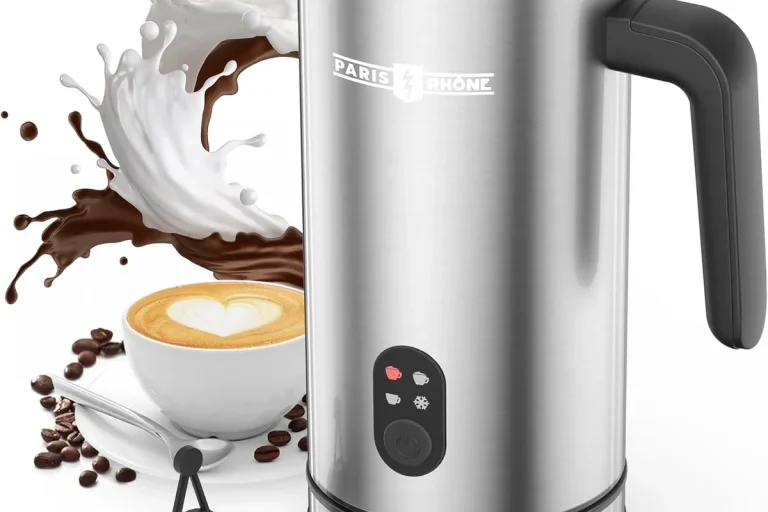
An electric milk frother is a countertop or handheld appliance that adds air to milk. That air creates foam, which changes the milk’s texture and makes drinks look and taste richer.
Most electric frothers do one of three things. They heat and froth milk, froth cold milk, or do both. Some models also mix powder drinks like hot chocolate.
How it differs from a steam wand and a hand frother
A steam wand uses hot steam from an espresso machine. It gives you strong control, but it takes more skill. It also needs a machine with a wand built in.
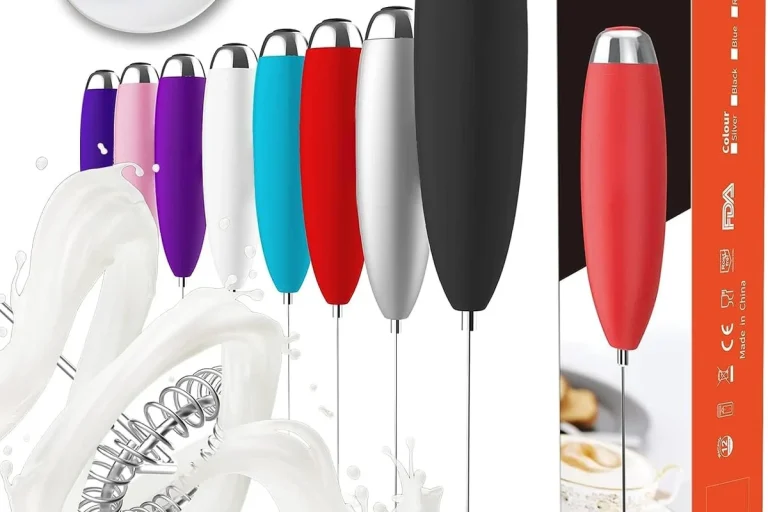
A hand frother is a small whisk tool you move by hand. It costs less and takes little space. But it usually makes lighter foam and needs more effort.
An electric milk frother sits in the middle. It does the work for you and often gives more even foam than a hand tool.
Why home coffee fans care about it in 2026
Home coffee fans want better drinks without a big setup. That is where an electric frother helps. It gives you café-style foam in a simple, fast way.
It also fits small kitchens well. You do not need a full espresso machine just to top a drink with foam. For many people, that makes it an easy upgrade.
Foam changes how milk tastes. It can make a drink seem sweeter, even when you add no sugar.
How an Electric Milk Frother Works

Most electric frothers use a small whisk or spinning disk. Some also warm the milk at the same time. The goal is simple. Add air, move the milk, and create a smooth foam layer.
The main parts inside the device
Many frothers have a base, a jug or cup, and a whisk inside. Some also include a lid and a heat-safe inner wall. The exact design varies by model.
Handheld frothers are simpler. They usually have a motor in the handle and a small whisk on the end. You place that whisk in milk and move it around by hand.
Heating, spinning, and air mixing explained simply
The spinning whisk pulls air into the milk. Tiny bubbles form as the milk moves fast. That creates foam on top and a lighter feel in the cup.
If the frother also heats, it warms the milk while it spins. Warm milk usually holds foam a bit better than cold milk. That is why hot drinks often get a thicker top.
Why some frothers make hot foam and others make cold foam
Hot foam and cold foam need different settings. Hot foam works best for drinks like lattes and cappuccinos. Cold foam suits iced coffee and chilled drinks.
Some frothers have a hot button, a cold button, or both. Others only heat and froth at the same time. Check the manual before you buy if cold foam matters to you.
Foam quality can change with milk type, fat level, and brand. Results vary by model and by ingredient.
What You Can Make with an Electric Milk Frother
An electric milk frother does more than make foam. It can help you build a fuller drink with a smoother finish. That makes it useful for coffee and beyond.
Drinks like lattes, cappuccinos, and hot chocolate
For lattes, a frother adds a soft milk top. For cappuccinos, it can make a thicker foam layer. Both drinks feel more balanced when the milk texture improves.
It also works well for hot chocolate. A frother can blend milk and cocoa more smoothly than stirring by hand. That means fewer clumps in the cup.
Best Uses for a Milk Frother
Think of a frother as a texture tool. It helps you make drinks feel smoother, richer, and more polished.
Cold foam for iced coffee and matcha
Cold foam is one of the most popular uses now. It sits nicely on iced coffee and gives each sip a creamier feel. It can also work with iced matcha drinks.
Some people like cold foam because it adds texture without extra heat. That makes it a good fit for summer drinks or quick morning cups.
Non-dairy milk and other kitchen uses
Many frothers can handle oat, almond, soy, or pea milk. Still, not every non-dairy milk foams well. Some brands create better bubbles than others.
You can also use a frother for simple kitchen jobs. It can mix protein powder, small drink mixes, or powdered cocoa. Just make sure the model allows that use.
Do not fill past the max line. Hot milk can rise fast and spill over, which can burn you and damage the unit.
Key Features to Look for Before You Buy
The best frother for you depends on how you drink coffee. A few features matter more than flashy extras. Capacity, controls, and cleaning are the big ones.
Capacity, power, and froth settings
Capacity tells you how much milk the frother can hold. Small units suit one drink. Larger ones work better when you serve more than one cup.
Froth settings matter too. Some models offer light foam, thick foam, or simple heating. More settings can help, but only if you will use them.
Milk type support and temperature control
Check which milk types the frother supports. Dairy milk usually froths well, but non-dairy results vary. If you use oat or almond milk often, look for clear support.
Temperature control also helps. A good frother should warm milk without scorching it. That matters for taste and for easier cleanup.
Helps you match the frother to dairy or plant milk.
Reduces the risk of hot, burnt-tasting milk.
Noise level, size, and ease of use
Noise matters in small homes or early mornings. Some frothers hum softly. Others sound louder because of the motor speed.
Size matters too. A compact frother fits tight counters and small cabinets. Easy controls also help if you want a fast cup with no fuss.
Build quality, safety shutoff, and price range
Look for sturdy materials and a stable base. A safety shutoff is useful because it can help prevent overheating. That feature is worth checking in the manual.
Price varies a lot by model and retailer. In general, pay more attention to build, cleaning, and control quality than to extra claims.
- Check capacity and counter space.
- Check milk support and froth modes.
- Check cleaning steps and safety shutoff.
- Read the manual and warranty details.
Benefits and Limits of Electric Milk Frothers
An electric frother can make coffee drinks easier and more fun at home. But it is not the same as a full espresso setup. Knowing both sides helps you choose well.
Why they save time and improve drink texture
They save time because the machine does the work. You do not need to whisk by hand or learn steam wand technique. That makes them friendly for beginners.
They also improve texture. Foam can make drinks feel creamier and more complete. For many home cooks, that small change makes a big difference.
- Fast foam with little effort
- Better texture for coffee drinks
- Simple use for beginners
- Works in small kitchens
Where they fall short compared with espresso machines
A frother does not brew espresso. It also cannot match the control of a steam wand on a high-end machine. If you want deep espresso flavor, you still need a coffee or espresso maker.
Some frothers also struggle with larger batches. If you make drinks for a crowd, a frother may feel too small.
Who gets the most value from one
People who make one or two coffee drinks a day get strong value. So do apartment cooks and anyone with limited counter space. Beginners often like the low learning curve too.
If you already own an espresso machine with a good wand, you may not need one. It depends on how much simplicity you want.
Common Mistakes People Make with Milk Frothers
Most frother problems come from simple user errors. The good news is that many of them are easy to fix. A few small habits can improve the result right away.
Using the wrong milk or filling past the max line
Some milk types foam better than others. Very thin milk may not hold bubbles well. Very rich milk can make foam that feels heavy.
Filling past the max line is another common mistake. Milk expands as it froths. Too much liquid can spill and create a mess.
Overheating, underfilling, or skipping cleaning
Overheating can give milk a cooked taste. Underfilling can make the whisk work poorly. Both can hurt the foam and the drink.
Skipping cleaning is just as bad. Milk film builds up fast. That can affect taste and make the frother wear out sooner.
How to fix weak foam or uneven results
If foam looks weak, try a different milk. Also check the fill level and make sure the whisk sits in the right spot. Small changes often help more than people expect.
If results stay uneven, clean the whisk and jug well. Then check the manual for the right setting. Some frothers need a specific mode for best foam.
Foam comes out thin, watery, or uneven.
Use the right milk, stay below the fill line, and clean the whisk and cup after use.
Cleaning, Safety, and Basic Maintenance
Cleaning is a big part of owning a milk frother. Milk dries fast and leaves a film behind. Regular care keeps the unit working well and tasting fresh.
Daily cleaning steps that keep it working well
Unplug the frother before cleaning unless the manual says otherwise. Empty any leftover milk right away. Then rinse or wipe the parts the manual allows.
For many models, a soft sponge and warm water are enough. Avoid rough tools that can scratch the surface. Scratches can make cleanup harder later.
Empty the milk, rinse safe parts, and wipe the base dry.
Check the whisk, seals, and power cord for wear or buildup.
What parts can and cannot go in water
This depends on the model. Some jugs are washable, but the base usually is not. Never soak electrical parts unless the manual clearly allows it.
If you are unsure, read the care guide first. That is the safest move. It also helps you avoid damage that may void the warranty.
How to avoid burnt milk, spills, and damage
Use the right fill level. Also watch the temperature setting if your model has one. Stop the cycle if milk starts to smell scorched.
Keep the cord and base dry. Store the unit in a clean, stable spot. And if the cord, plug, or base looks damaged, stop using it.
Follow the appliance manual and stop using damaged equipment.
Is an Electric Milk Frother Worth It? Final Recommendation
For many home coffee fans, yes, it is worth it. An electric milk frother is one of the easiest ways to make drinks feel more polished. It gives you better texture with very little effort.
Best for beginners, home coffee drinkers, and small kitchens
It is a smart pick if you want simple café-style drinks at home. It also suits small kitchens because it takes little space. Beginners usually like how easy it is to learn.
Best for one-person households and tight counters.
Best for households that make several drinks at once.
When a manual frother or espresso machine may be better
A manual frother may suit you if you want a low-cost tool and do not mind extra effort. An espresso machine may be better if you want full drink control and better espresso shots.
Think about your routine. If you mainly want foam, an electric frother makes sense. If you want the full coffee bar setup, you may want to spend more.
Final verdict from the Red Kitchen Project Editorial Team
An electric milk frother is a useful, low-stress appliance for everyday coffee drinks. It will not replace a full espresso machine, but it can make home drinks better fast. For most beginners and small kitchens, that is a very good trade.
Choose an electric milk frother if you want easy foam, simple cleanup, and better home drinks. Skip it only if you already have a steam wand or need larger batches.
Frequently Asked Questions
It adds air to milk to make foam, and many models also heat the milk. Some can make hot foam, cold foam, or both.
An electric frother is easier because it does the work for you. A hand frother costs less, but it usually takes more effort and gives less even foam.
Dairy milk usually froths well, but results vary with fat level and brand. Many non-dairy milks can work too, but some foam better than others.
Empty leftover milk right away and clean only the parts the manual allows. Never soak electrical parts unless the manufacturer says it is safe.
Weak foam often comes from the wrong milk, too much milk, or a dirty whisk. Check the fill line, clean the unit, and try a different milk type.
It is worth it if you want easy foam, fast cleanup, and better home coffee drinks. It may not be the best choice if you already have a steam wand or need large batches.