Best Tips for Using Electric Milk Frother at Home

An electric milk frother works best with the right milk, the right fill level, and fast cleanup. If you use it carefully, you can make smoother, better-tasting coffee drinks at home.
If you want better lattes, cappuccinos, or hot chocolate at home, an electric milk frother can help a lot. The best results come from the right milk, the right fill level, and quick cleanup after each use.
- Milk choice matters: Whole milk usually gives richer foam.
- Fill level matters: Leave room for milk to expand.
- Heat control matters: Too much heat hurts taste and foam.
- Cleanup matters: Wash milk parts right after use.
What an Electric Milk Frother Does and Why It Helps at Home
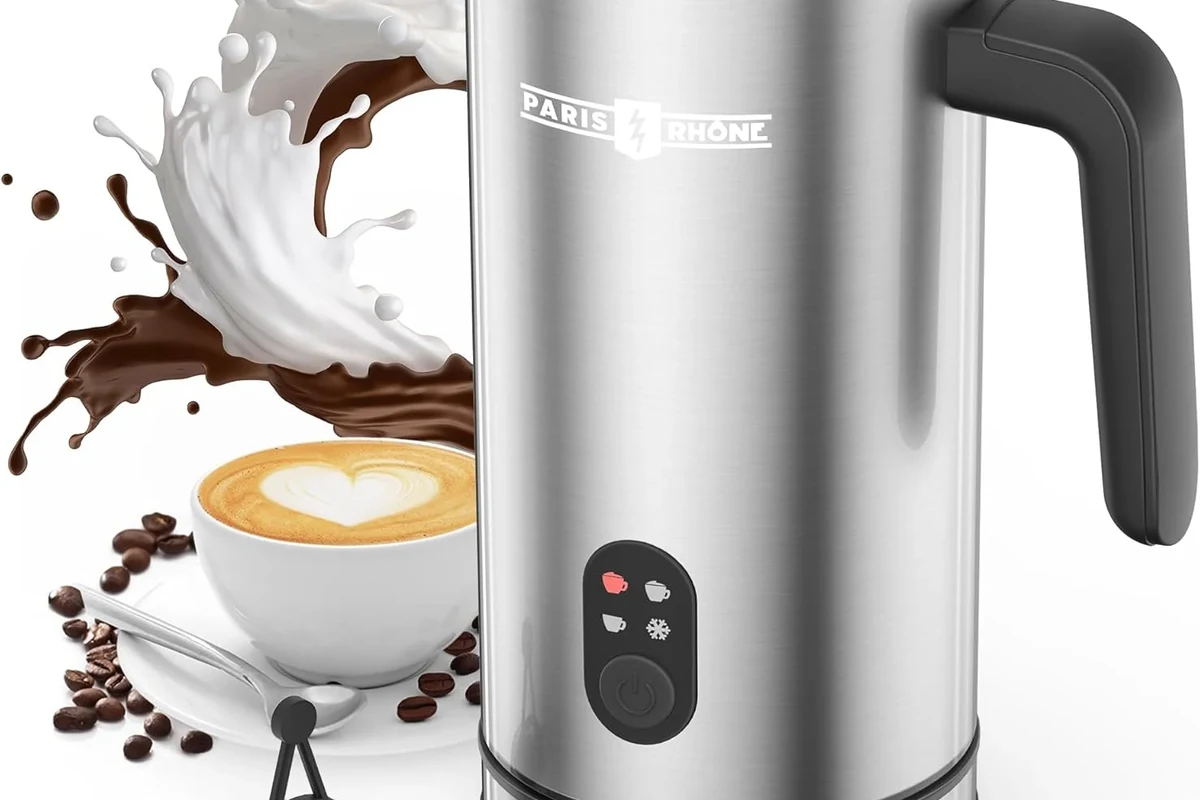
An electric milk frother adds air to milk and often warms it too. That creates a lighter texture and a smoother feel in drinks.
For home coffee, that matters more than many people expect. Foam can turn a plain cup into something that feels richer and more café-like.
How frothing changes milk texture and taste
Frothing breaks milk into tiny bubbles. That makes the milk look thicker and taste softer on the tongue.
Warm foam also changes how sweetness shows up. Many people find the drink tastes sweeter even when they do not add sugar.
Milk with protein and fat usually holds foam better than very thin milk.
Why home coffee drinks feel better with the right foam
Good foam gives a drink a smoother top and better balance. It can also make strong coffee feel less sharp.
That’s useful if you like lattes, mochas, or even a simple cup of cocoa. In short, foam helps the drink feel finished.
Best Tips for Using Electric Milk Frother at Home
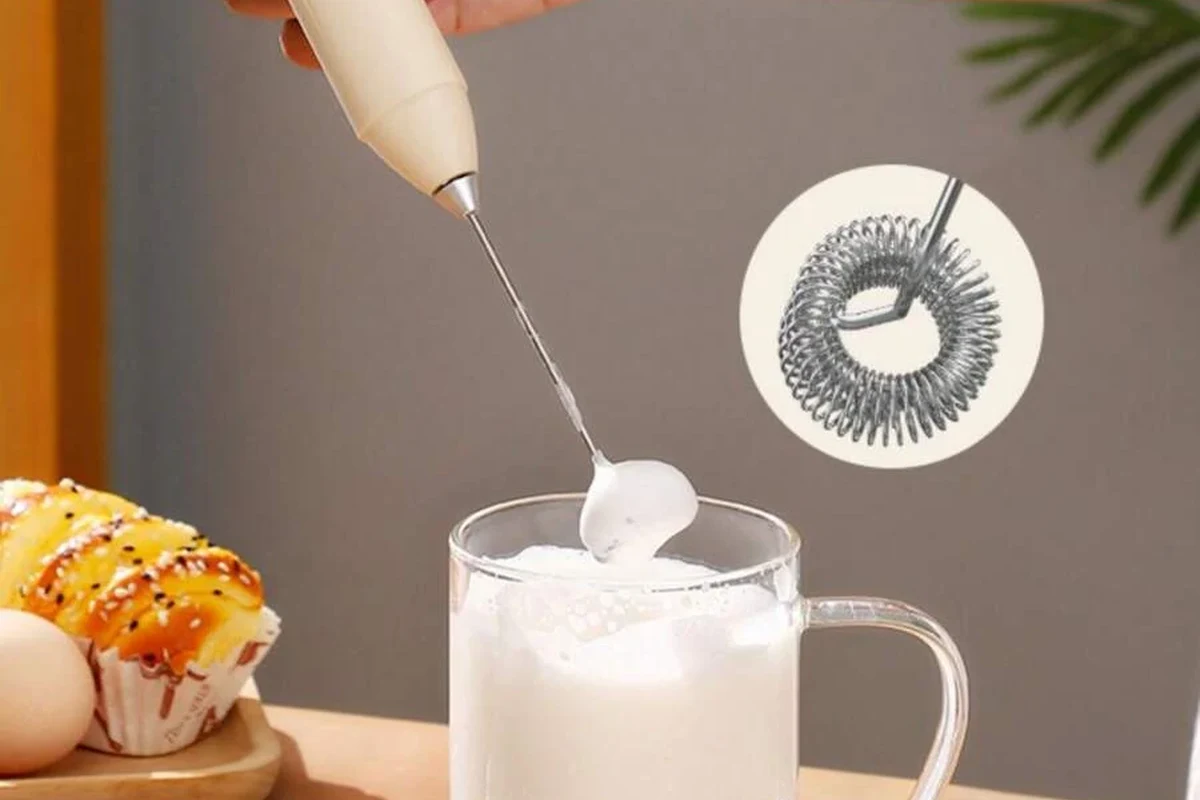
The basics are simple, but small habits make a big difference. If you want better foam, start with the milk, then watch the fill line and heat level.
- Use cold milk for more stable foam.
- Stop at the fill line marked by the maker.
- Serve right away for the best texture.
Choose the right milk for thick or light foam
Whole milk usually makes rich, creamy foam. It has more fat, so it often gives a fuller mouthfeel.
Low-fat milk can make more foam, but the foam may feel lighter and less silky. Plant milks vary a lot by brand, so check the label if you want foam that holds well.
Milk type, brand, and even freshness can change foam results from one kitchen to another.
Fill the frother to the correct level
Do not overfill the jug. Milk needs room to expand as it heats and froths.
If you add too much, foam can spill over or splash inside the lid. That makes cleanup harder and can also affect the texture.
Heat milk the right way for better results
Warm milk usually tastes better than milk that is too hot. Very hot milk can taste flat or even scorched.
Use the frother’s heat setting if it has one. If your model does not heat, warm the milk separately only if the manual allows it.
Do not overheat milk. Always follow the manual for safe temperature limits and heating steps.
Use the frother in short, steady cycles
Short cycles help you control foam better. They also reduce the chance of overheating the milk.
If your model lets you pause, check the texture before you keep going. A few extra seconds can change light foam into stiff foam.
Pour and serve right after frothing
Fresh foam looks best and holds its shape longer. Once it sits, the bubbles start to break down.
Pour it right away into coffee, cocoa, or matcha. If you wait too long, the drink loses that smooth top layer.
Fresh milk
Heat-safe mug
Soft cloth for cleanup
How Electric Milk Frothers Work
Most electric frothers use a whisk or spinning disk. Some also add heat, while others only froth cold milk.
The exact design varies by model. That’s why the manual matters more than general advice for final settings and use.
Heating and whisking basics
The whisk pulls air into the milk. If the unit heats at the same time, the milk becomes warm and foamy together.
That combo works well for drinks that need a creamy top. It also saves time compared with using a pan and hand whisk.
Froth settings and common froth styles
Many frothers offer more than one setting. You may see options for hot foam, cold foam, or simple warming.
Some models make dense foam for cappuccinos. Others make lighter foam for lattes or iced drinks.
Best for coffee drinks that need warmth and a thick top.
Good for iced coffee and chilled drinks.
Manual control versus automatic programs
Manual models give you more control, but they need more attention. Automatic models are easier for busy mornings.
If you make drinks the same way each day, automatic programs can feel simpler. If you like to experiment, manual control may suit you better.
Common Mistakes That Ruin Milk Foam
Most bad foam comes from small errors, not a bad machine. The good news is that these mistakes are easy to fix.
Using the wrong milk or too little fat
Very thin milk often makes weak foam. Some plant milks also collapse fast if they are not made for frothing.
If you want richer foam, start with a milk that has enough protein and fat. Then compare brands until you find one you like.
Overfilling the jug
Too much milk leaves no room for air and expansion. The result is messy foam and poor texture.
Always stay under the max line. If you need more foam, make two small batches instead of one large one.
Letting milk get too hot
Milk that gets too hot can lose sweetness and taste dull. It may also form less stable foam.
If your frother has a heat stop, use it. If not, watch closely and stop when the milk looks ready.
Skipping the cleaning step
Milk residue dries fast and can ruin the next batch. Old film can also affect smell and taste.
Clean the jug, whisk, and lid after each use. That simple habit keeps foam more consistent.
Foam tastes stale or smells off.
Wash all milk-contact parts right away and check for hidden residue.
Safety Tips and Smart Kitchen Habits
Electric frothers are small appliances, but they still need care. Heat, steam, and liquid spills can cause trouble if you rush.
Avoid burns and spills during use
Use a heat-safe mug or cup when you pour milk. Hold the handle and keep your face away from the steam.
Let the milk settle for a few seconds before you pour. That can help reduce splashes.
Keep water away from the base and cord
The base and power cord should stay dry. Water near electrical parts can create a shock risk.
Wipe the outside with a damp cloth only if the manual allows it. Never soak the base.
Follow the appliance manual and stop using damaged equipment.
Watch for signs of wear or damage
Stop using the frother if the cord frays, the lid cracks, or the whisk stops moving right. Odd smells or strange noises also deserve attention.
When in doubt, check the manual or contact the maker. Do not try to fix internal electrical parts yourself.
Cleaning and Maintenance for Better Long-Term Use
Clean tools last longer and work better. With frothers, regular care also helps the foam taste fresh.
How to clean the jug, whisk, and lid
Rinse milk-contact parts soon after use. If the parts come off, wash them as the manual says.
Use mild soap and warm water unless the maker says a dishwasher is safe. Dry each part fully before storing.
What to do after each use
Empty leftover milk right away. Then wipe the jug so milk does not dry on the sides.
If the frother has a removable whisk, check that it is seated correctly before the next use.
Rinse, wash, and dry all milk-contact parts.
Check for buildup, wear, and loose parts.
How to remove milk film and buildup
Milk film can cling to the jug and whisk over time. A soft sponge usually works better than a rough scrubber.
If buildup stays stuck, use the cleaning method from the manual. Avoid harsh cleaners unless the maker approves them.
When parts need replacing
Replace worn whisks, cracked lids, or damaged seals if the model uses them. Weak parts can affect foam and safety.
If replacement parts are not available, it may be time for a new unit. That is especially true for older models with repeated problems.
What to Look for When Buying an Electric Milk Frother
If you are shopping for one, focus on the features you will use most. Fancy extras matter less than good foam, easy cleaning, and safe controls.
Capacity, power, and temperature control
Capacity matters if you make drinks for more than one person. A larger jug helps, but it may take more counter space.
Temperature control also matters. Better control can help you avoid overheated milk and keep results more consistent.
Noise level, speed, and ease of cleaning
Some frothers run quietly, while others sound more like a small mixer. If you use one early in the morning, noise may matter.
Speed also matters, but not if cleanup is a pain. A model that is easy to rinse often gets used more often.
Best value features for daily home use
The best value usually comes from simple, useful features. Look for clear fill marks, removable parts, and settings you will actually use.
Before buying, check the manual, warranty terms, and any care limits. That helps you avoid surprises later.
- Check capacity and counter space.
- Look for easy cleaning and clear controls.
- Confirm safety notes and warranty details.
Final Recommendation for Home Use
An electric milk frother is a smart buy if you make coffee drinks often. It is also helpful if you want café-style foam without much effort.
If you only make milk drinks once in a while, you may not need one. A simple manual method may be enough for you.
Who should buy one and who may not need one
Buy one if you like lattes, cappuccinos, or hot chocolate at home. It is also a good fit if you want faster prep on busy mornings.
You may skip it if you rarely drink milk-based drinks. In that case, the extra appliance may just take up space.
Simple verdict on value, ease, and results
For most home cooks, a good frother offers strong value. It can improve taste, texture, and convenience with very little effort.
The best choice is the one that fits your milk habits, your space, and your cleanup style. If you keep those three things in mind, you’ll likely be happy with the result.
- Use the right milk for the foam you want.
- Do not overfill the jug or overheat the milk.
- Clean the frother right after use.
- Choose a model that fits your space and routine.
Frequently Asked Questions
Whole milk often makes rich, creamy foam, while low-fat milk can make lighter foam. Plant milks vary by brand, so check the label if you want better foam hold.
Stay under the max fill line in the manual or on the jug. Milk needs room to expand, and overfilling can cause spills and weak foam.
The milk may have gotten too hot, which can dull the taste and weaken the foam. Use the heat setting carefully and stop when the milk is ready.
Rinse and wash milk-contact parts soon after use, then dry them fully. Follow the manual for removable parts and avoid soaking the base.
Stop using it and check for wear, buildup, or damage. If the cord, lid, or whisk looks worn, follow the manual and contact the maker if needed.
It is worth it if you make milk drinks often and want faster, better foam. If you rarely make lattes or hot chocolate, you may not need another appliance.