How to Fix Electric Milk Frother Fast and Easy

Start with cleaning, power checks, and the whisk before you assume the frother is broken. If you smell burning, see cracks, or notice exposed wire, stop using it and replace it.
If your frother won’t turn on, won’t foam, or stops early, start with cleaning and power checks. In many cases, the fix is simple, and you can do it without opening the unit.
- Start simple: Clean the whisk, chamber, and lid before deeper troubleshooting.
- Check power: Test the outlet, cord, plug, and base fit first.
- Watch for damage: Burning smells, cracks, or exposed wire mean stop using it.
- Know the limit: Internal electrical repair is not a safe DIY fix.
- Prevent repeat issues: Dry parts well and clean milk residue right away.
Quick Answer: How to Fix an Electric Milk Frother Fast

The fastest fix is to unplug the frother, clean the whisk and chamber, check the power source, and make sure the lid or whisk sits right. If it still fails, the motor, heater, or switch may be worn out, and replacement may make more sense than repair.
Follow the appliance manual and stop using damaged equipment.
How an Electric Milk Frother Works

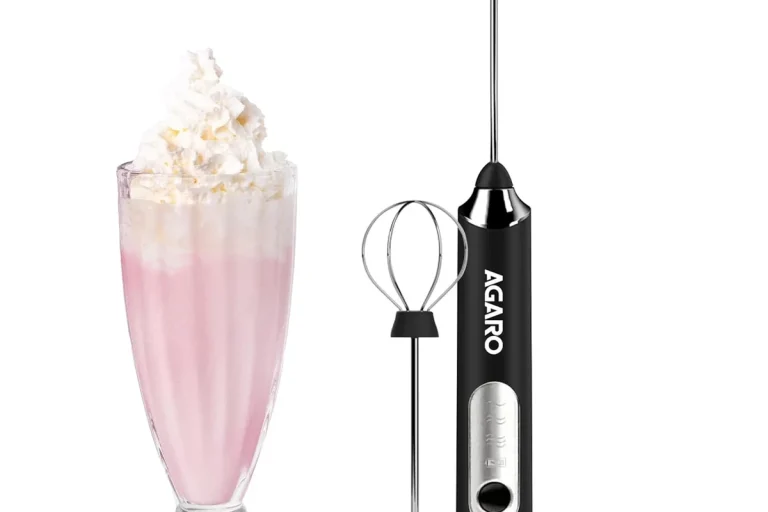
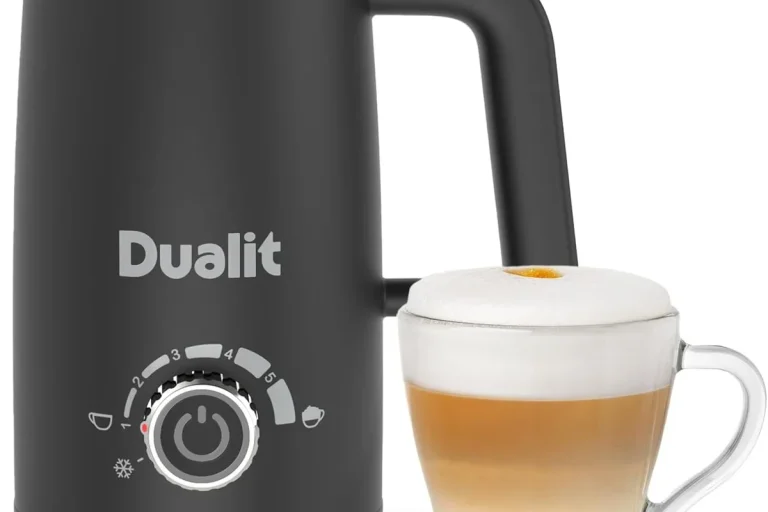
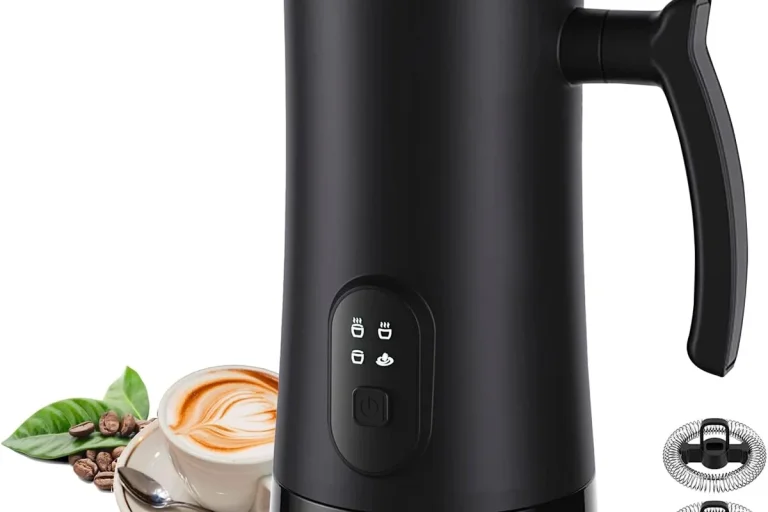
An electric milk frother does two jobs. It spins a whisk or frothing disk, and some models also heat the milk.
The spinning action adds air to the milk. That creates foam. Heating helps the foam feel smoother and keeps drinks warm.
Main parts and what each one does
Most frothers have a few basic parts. Knowing them makes troubleshooting much easier.
Powers the whisk or frothing disk.
Whips air into the milk.
Holds the milk during use.
Helps reduce splashes and mess.
Some models also have a heating plate, a temperature sensor, or a separate power cord. Those parts vary by brand.
Why frothers stop working
Frothers often fail for simple reasons. Milk residue, mineral buildup, a loose whisk, or weak power can all cause trouble.
Sometimes the problem is mechanical. A bent whisk, worn motor, or cracked chamber can stop the frother from working well.
Step-by-Step Troubleshooting Guide
Work from the outside in. That keeps the process safe and helps you spot the easy fixes first.
Check the power source and cord
First, make sure the outlet works. Try another small appliance in the same outlet.
Then inspect the cord, plug, and base. Look for cuts, bends, scorch marks, or a loose fit.
The frother does nothing when you press the button.
Test a different outlet and check that the plug sits fully in place.
Inspect the whisk, lid, and frothing chamber
Take off the lid and remove the whisk or disk if your model allows it. Check for milk film, bent parts, or food stuck around the spindle.
Make sure the whisk sits flat and spins freely. If it rubs the side, the frother may stall or make a rough sound.
Clean out milk residue and mineral buildup
Milk residue is one of the most common causes of weak foam. Even a thin film can block smooth spinning.
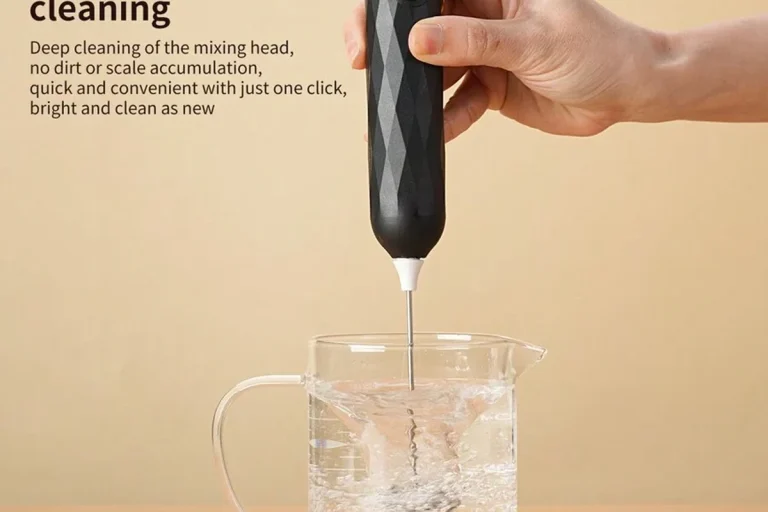
Wash the removable parts with warm water and mild soap. Dry them fully before reassembly.
If your manual allows it, remove mineral buildup with a safe descaling method. Use only the cleaner your maker recommends.
Small milk proteins can bake onto warm parts fast, especially after repeated use.
Test the motor and heating function
After cleaning, run the frother with water only if the manual allows it. This can help you see whether the whisk spins smoothly.
If the whisk spins but the milk still does not foam, the motor may be weak. If the unit heats but does not froth, the whisk or drive system may be the issue.
Do not open the housing to reach internal wires or the motor. That can be unsafe and may void the warranty.
Common Problems and Simple Fixes
Most frother issues fit into a few common patterns. The good news is that many of them have simple, safe fixes.
Frother won’t turn on
Check the outlet first. Then check the cord, plug, and power button.
If the unit has a removable jug, make sure it sits on the base the right way. Some models will not start unless the jug locks into place.
No lights, no sound, no movement.
Use a working outlet, reseat the jug, and clean any stuck button or switch.
Frother spins but won’t foam
This often means the whisk is dirty, loose, or worn out. It can also happen if the milk level is too low or too high.
Use the fill line in your manual. If you go over it, the foam may collapse or splash out.
Cold milk usually foams better than warm milk for many frothers, but model design matters. Follow the maker’s instructions for best results.
Milk heats but does not froth well
Heating without good foam can point to a weak whisk or a clogged spindle. It may also mean the milk type does not froth well in that machine.
Try a fresh clean cycle and a different milk. Dairy and non-dairy milks behave differently.
Results can vary by milk fat, protein, and added sugars. Plant milks also vary a lot by brand.
Frother makes noise or stops early
A scraping noise often means a bent whisk or debris in the chamber. A sudden stop can mean overheating or a failing motor.
Turn it off, unplug it, and let it cool. Then clean the parts and check for anything that blocks movement.
If you smell burning, see smoke, or hear electrical crackling, stop using the frother at once.
Safety Tips Before You Repair It
Small appliances can look harmless, but they still use electricity and heat. A careful check now can prevent a bigger problem later.
When to unplug and stop using the frother
Unplug the frother before cleaning or inspecting it. Never touch wet parts while it is plugged in.
Stop using it if the cord feels hot, the plug is loose, or the base smells burnt. Those are not normal signs.
Signs of damage that need replacement
Cracks in the housing, exposed wire, deep scorch marks, or a warped base are serious warning signs. So are repeated shutdowns after cleaning.
If the motor sounds strained even after cleaning, replacement may be the safer choice. Internal electrical repair is best left to a qualified technician, if the brand even supports it.
Cleaning and Maintenance to Prevent Future Issues
Good care helps a frother last longer and foam better. It also cuts down on odd smells and sticky buildup.
Best daily cleaning habits
Clean the whisk and chamber soon after each use. Milk dries fast, so don’t wait until later if you can avoid it.
Rinse removable parts, wash with mild soap, and dry fully.
Check the whisk, lid, and fill line for buildup or wear.
Do a deeper clean if your manual allows it.
Deep cleaning for stubborn buildup
If milk film stays behind, soak removable parts in warm soapy water. Use a soft cloth or cotton swab for tight spots.
Do not scrub with sharp tools. That can scratch the chamber and make buildup worse next time.
- Dry parts fully before storage.
- Use only cleaning methods in the manual.
- Check for scale if you have hard water.
How to store the frother the right way
Store the frother in a dry place with the cord relaxed, not wrapped tightly. That helps protect the plug and cord from stress.
Keep the whisk and lid together so you do not lose small parts. If the unit has a removable jug, store it open so moisture can escape.
Repair or Replace: What Makes the Most Sense
Some frothers are worth a simple fix. Others are not. The best choice depends on the damage, the model, and how often you use it.
Cost of simple fixes versus a new frother
Cleaning, descaling, and replacing a removable whisk are usually the cheapest fixes. Those are worth trying first.
If the motor, heating base, or switch fails, repair may not be practical. The cost and effort can quickly exceed the value of a basic frother.
Who should repair it and who should replace it
If the problem is dirty parts, loose fit, or scale, you can usually handle it at home. That’s a good fit for most users.
If the cord is damaged, the unit smells burnt, or the motor keeps failing, replace it. For safety, do not try to open sealed electrical parts.
Clean it first. That solves many frother problems.
Replace it and stop using it right away.
Check the whisk and milk type before you buy a new unit.
Final Recommendation for Red Kitchen Project Readers
If you want to know how to fix electric milk frother problems fast, start with power, cleaning, and part fit. Those steps solve a lot of everyday issues without risk.
If the frother still fails after that, look for signs of electrical damage or worn internal parts. At that point, replacement is often the smarter and safer move.
For most home cooks, the best first move is a full clean and a careful check of the whisk, cord, and fill level. If you see burning, cracks, or repeated motor failure, stop using the frother and replace it.
Frequently Asked Questions
Check the outlet, cord, plug, and power button first. If the jug must lock into the base, make sure it sits in place the right way.
A dirty or loose whisk often causes weak foam. Milk level and milk type can also affect the result.
Yes, if the parts are removable and the manual allows washing or descaling. Use only safe cleaning methods and dry all parts fully.
Stop using it if you smell burning, see smoke, notice exposed wire, or find cracked parts. Those signs can point to electrical damage.
Yes, milk fat, protein, and added sugars can change foam quality. Plant milks also vary a lot by brand and formula.
Clean it and check the whisk first, since those are common simple fixes. Replace it if the motor, cord, or housing shows damage or keeps failing.