
Can Coffee Mugs Go on the Bottom Rack of a Dishwasher

Yes, many sturdy coffee mugs can go on the bottom rack of a dishwasher. Fragile, decorated, or hand-wash-only mugs are safer on the top rack.
Yes, some coffee mugs can go on the bottom rack of a dishwasher. But the safest choice depends on the mug’s material, finish, and label.
For many everyday ceramic mugs, the bottom rack is fine. For fragile, printed, or insulated mugs, the top rack is usually safer.
Always check the mug label or maker instructions first. If a mug says hand wash only, keep it out of the dishwasher.
- Sturdy mugs: Plain dishwasher-safe mugs often work well on the bottom rack.
- Fragile mugs: Printed, trimmed, or thin mugs usually need the top rack.
- Loading matters: Keep mugs spaced apart to avoid chips and blocked spray.
- Label first: The maker’s care instructions should guide your choice.
- Long-term care: Hand washing helps protect special mugs and printed designs.
Can Coffee Mugs Go on the Bottom Rack of a Dishwasher? The Short Answer
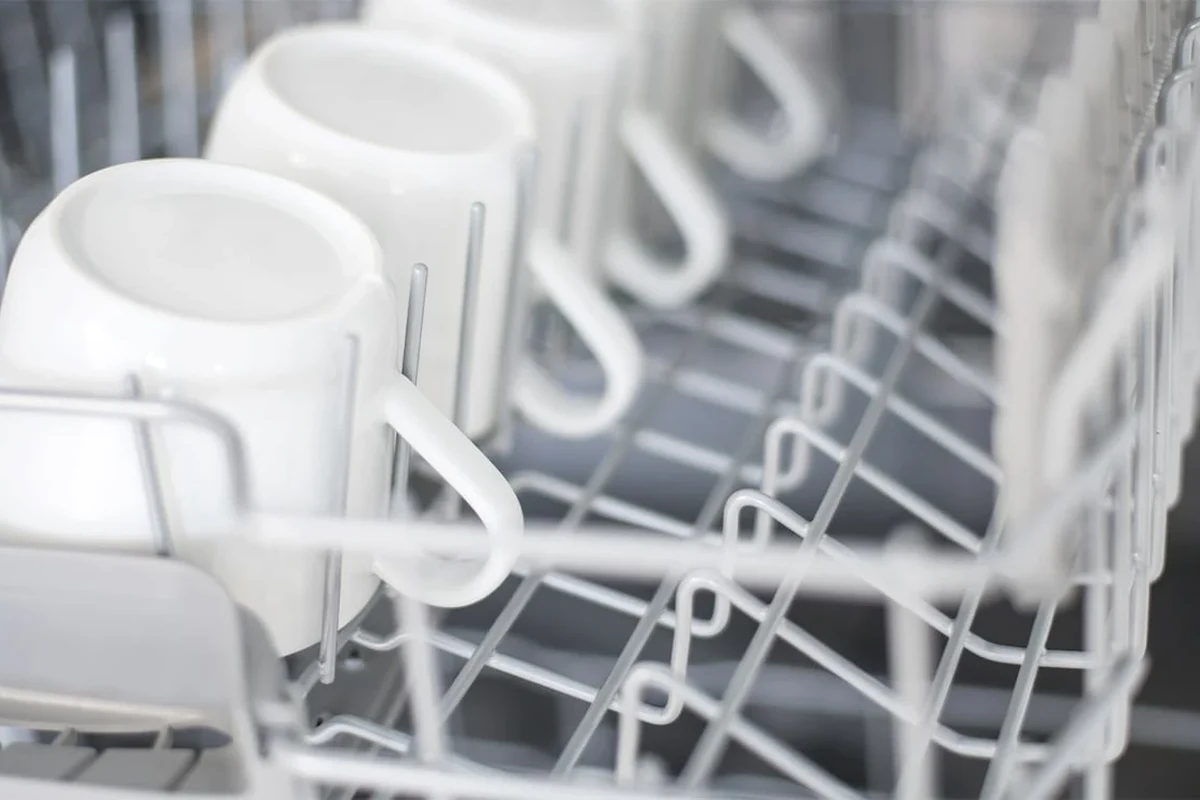
The short answer is yes, but not always. The bottom rack gives stronger water spray and more heat, so it works best for sturdy mugs.
If your mug is plain ceramic, stoneware, or porcelain, it often does fine on the bottom rack. If it has a delicate print, metal trim, or special coating, the top rack is the safer pick.
When the bottom rack is fine
The bottom rack makes sense when the mug is built for regular dishwasher use. It also helps when you want a deeper clean for dried coffee residue.
Use the bottom rack if the mug is:
- Plain and sturdy
- Marked dishwasher safe
- Made from durable ceramic or stoneware
- Free of metallic trim or fragile art
When the top rack is the safer choice
The top rack is better for mugs that need gentler care. It gets less direct spray and usually less heat exposure.
Choose the top rack if the mug is:
- Lightweight or thin
- Decorated with prints or decals
- Made with insulation or a lid
- Marked hand wash only
How Dishwasher Racks Work and Why Mug Placement Matters
Dishwashers clean with hot water and spray arms. The bottom rack usually sits closer to the main spray and heating area.
That matters because mugs can face more force, more heat, and more contact with nearby dishes. A mug that seems tough in the sink may still chip or fade in the dishwasher.
Water spray strength on the bottom rack
The bottom rack gets the strongest spray in many dishwashers. That helps remove coffee stains and sticky film.
However, strong spray can also knock mugs into plates or utensils. If the mug is crowded, it may end up chipped or tipped over.
Heat levels and what they can do to mugs
Heat helps wash away grease and dry faster. But heat can also stress weak glaze, paint, or glued parts.
Some mugs handle this well. Others may crack, fade, or lose their finish over time.
How mug shape and material affect placement
Wide mugs, tall mugs, and mugs with thin handles all behave a little differently. A narrow base may sit less firmly on the rack.
Material matters too. Dense ceramic often handles the bottom rack better than lighter or more decorative mugs.
Many dishwasher problems come from contact, not water alone. A mug that bumps a plate is more at risk than one that simply gets washed.
Which Coffee Mugs Can Handle the Bottom Rack
Not all mugs are built the same. The best bottom-rack candidates are sturdy, plain, and clearly marked dishwasher safe.
Ceramic mugs with durable glaze
Many standard ceramic mugs do well on the bottom rack. A strong glaze helps protect the surface from water and detergent.
Still, older mugs can be more fragile. If the glaze already shows cracks or wear, use the top rack or hand wash.
Stoneware and porcelain mugs
Stoneware is often thick and sturdy, so it usually handles the dishwasher well. Porcelain can also do fine if the maker says it is dishwasher safe.
Even so, both can chip if they hit hard items. Space matters just as much as the material.
Travel mugs and insulated cups
Travel mugs need extra care. Many have seals, lids, or vacuum insulation that can weaken in high heat.
Some are dishwasher safe, but many are not safe on the bottom rack. Check the body, lid, and gasket instructions before you wash them.
Mugs with prints, metallic trim, or special coatings
Decorated mugs need the most caution. Printed art can fade, and metallic trim can wear down or react badly to heat.
Special coatings may also break down faster in the dishwasher. If the mug has sentimental value, hand washing is often the better choice.
Manufacturer labels matter more than general advice. If the mug’s care tag and the seller’s listing disagree, follow the maker’s instructions when possible.
Risks, Limits, and Common Mistakes to Avoid
The dishwasher can be safe for many mugs, but a few mistakes make damage much more likely. Most problems come from heat, crowding, and rough contact.
Cracking from heat and sudden changes
A mug can crack if it goes from very hot to very cold too fast. That risk grows if the mug already has tiny flaws.
Let hot mugs cool a bit before washing them. Also avoid washing a mug that has visible cracks or chips.
Chipping from contact with plates and utensils
Chips often happen when mugs bump other hard items. This is common on the bottom rack because dishes sit close together.
Keep mugs away from knives, metal tools, and heavy plates. A small bump can leave a permanent mark.
Fading designs and worn finishes
Printed mugs may look fine after a few washes, then slowly fade. Metallic accents can also lose shine over time.
This does not always happen right away. But repeated dishwasher cycles can shorten the life of decorative finishes.
Overloading the rack and blocking spray
Too many items in one rack block water flow. That can leave coffee stains behind and force you to rewash the mug.
It also raises the chance of bumps and chips. A little space goes a long way.
Stop using any mug with deep cracks, loose parts, or peeling coating. Damaged drinkware can fail during washing or hot use.
How to Load Coffee Mugs Safely in the Dishwasher
Good loading habits can protect your mugs and improve cleaning. The goal is simple. Keep mugs stable, open, and away from rough contact.
Best angle for cleaning and drainage
Place mugs at a slight angle so water can drain out. This also helps the spray reach inside the cup.
Do not turn mugs upside down if that traps water or makes them wobble. A stable angle is better than a tight fit.
Spacing mugs to prevent bumps
Give each mug enough room to sit without touching the next item. That space helps prevent chips and lets water move freely.
If your dishwasher has cup tines or mug slots, use them. They help keep handles and rims from banging together.
What to avoid near mugs on the bottom rack
Keep sharp tools, heavy pans, and tall plates away from mugs. These items can shift during the cycle and cause damage.
Also avoid placing mugs under items that drip food or sauce. That can leave stains and make the cycle less effective.
Look for dishwasher safe or hand wash only before loading.
Set mugs apart so they do not bump during the wash.
Angle mugs slightly so water drains and spray can reach inside.
Cleaning and Maintenance Tips for Longer Mug Life
A little care helps mugs last longer. It also keeps the glaze, print, and shape in better condition.
How to protect mug glaze and printed art
Use a mild dishwasher detergent when possible. Very harsh detergent can wear on delicate surfaces over time.
Rotate special mugs with hand washing when you want to preserve the finish. That helps reduce long-term wear.
When hand washing makes more sense
Hand washing is the better choice for sentimental mugs, fine prints, and hand-painted pieces. It also works well for mugs with fragile lids or seals.
If a mug is expensive, decorative, or hard to replace, hand washing can save trouble later. It takes a little more time, but it can protect the mug.
How to remove coffee stains without damage
For light stains, warm water and mild soap often do the job. For stubborn stains, use a soft sponge or a gentle baking soda paste.
Avoid harsh scrubbing pads on decorated mugs. They can scratch the glaze or wear down the print.
- Rinse mugs soon after use to reduce coffee staining.
- Check handles and rims for chips before each wash.
- Keep decorated mugs on the top rack when in doubt.
Bottom Rack vs Top Rack: Which Is Better for Your Mugs
The better rack depends on the mug you own. Think about strength, decoration, and how much wear you want to accept.
Bottom Rack vs Top Rack
The bottom rack cleans harder. The top rack protects better. Your mug decides which matters most.
Stronger cleaning for sturdy mugs
Best for plain, dishwasher-safe mugs that can handle more heat and spray.
VS
Gentler care for fragile mugs
Best for decorated, lightweight, or hand-finished mugs that need less stress.
Best choice for everyday ceramic mugs
For plain everyday ceramic mugs, the bottom rack is often fine. It can help wash away dried coffee and tea marks more easily.
Just make sure the mug is stable and does not touch other items. That matters more than the rack alone.
Best choice for fragile or decorated mugs
For fragile or decorated mugs, the top rack is usually better. It lowers the risk of fading, chipping, and heat stress.
If the mug has a special coating or a printed design, the top rack gives you a safer margin.
Value, convenience, and long-term care
The bottom rack may feel more convenient because it cleans more aggressively. But convenience should not come at the cost of damage.
If you care about a mug for the long haul, gentler washing often wins. That is especially true for mugs you use every day.
Final Recommendation: What Red Kitchen Project Suggests
Our simple recommendation is this. Put sturdy, dishwasher-safe mugs on the bottom rack when they need a stronger clean.
Move fragile, decorated, insulated, or hand-wash-only mugs to the top rack. And when a mug looks valuable or delicate, hand washing is still the safest path.
Simple rule of thumb for home kitchens
If the mug is plain and tough, the bottom rack is usually okay. If the mug has art, trim, or a special finish, use the top rack or wash by hand.
When to trust the dishwasher label over habit
Habit can be misleading. A mug that survived the dishwasher before may still wear out faster over time.
So trust the label, the material, and the condition of the mug. That is the safest and smartest way to decide.
- Bottom rack works for many sturdy, dishwasher-safe mugs.
- Top rack is safer for fragile, decorated, or insulated mugs.
- Spacing and stable loading matter as much as rack choice.
- Hand washing protects special mugs and printed designs best.
Frequently Asked Questions
No. Many sturdy ceramic, stoneware, and porcelain mugs are fine, but fragile, printed, or hand-wash-only mugs should stay on the top rack or be washed by hand.
Avoid bottom-rack washing for mugs with metallic trim, delicate decals, special coatings, or any mug labeled hand wash only.
The bottom rack usually gets stronger spray and more heat. That can increase the chance of chipping, fading, or stress on weak glaze.
Place mugs at a slight angle, leave space between them, and keep them away from sharp utensils or heavy dishes that can bump them.
Use warm water, mild soap, and a soft sponge. For stubborn stains, try a gentle baking soda paste instead of harsh scrubbing pads.
Trust the label first. If the maker says hand wash only, follow that instruction even if the mug seems sturdy.