Do Coffee Mugs Contain Lead What You Need to Know

Yes, some coffee mugs can contain lead, especially older or decorative ones. Choose plain, clearly labeled mugs and avoid damaged or mystery pieces.
Yes, some coffee mugs can contain lead, but not all do. The main risk usually comes from glaze, paint, trim, or older decorative finishes, not from every mug made today.
If you want the short version, plain mugs from trusted brands are often the safer bet. Mugs with worn decoration, unknown origins, or damaged glaze deserve extra caution.
- Lead risk: It usually comes from glaze, paint, trim, or old finishes.
- Safer picks: Plain, food-safe mugs from known makers are the best bet.
- Watch for damage: Chips, cracks, and peeling can raise concern fast.
- Check labels: Food-safe and lead-free claims help, but read the exact listing.
Do Coffee Mugs Contain Lead? The Short Answer and Why It Matters
Lead can show up in some mugs, especially in the surface layer. That matters because hot drinks can sit in the mug for a while, and people use mugs every day.
Most modern mugs are made with food use in mind. Still, quality varies a lot, and the finish on the outside or inside can be the weak spot.
What “lead in mugs” usually means
When people talk about lead in mugs, they usually mean lead in glaze, paint, or trim. It does not always mean the whole mug is made of lead.
Lead can also be a concern in older ceramics or handmade pieces with unknown materials. The risk is about what can touch your drink or your mouth.
Which mug types raise the most concern
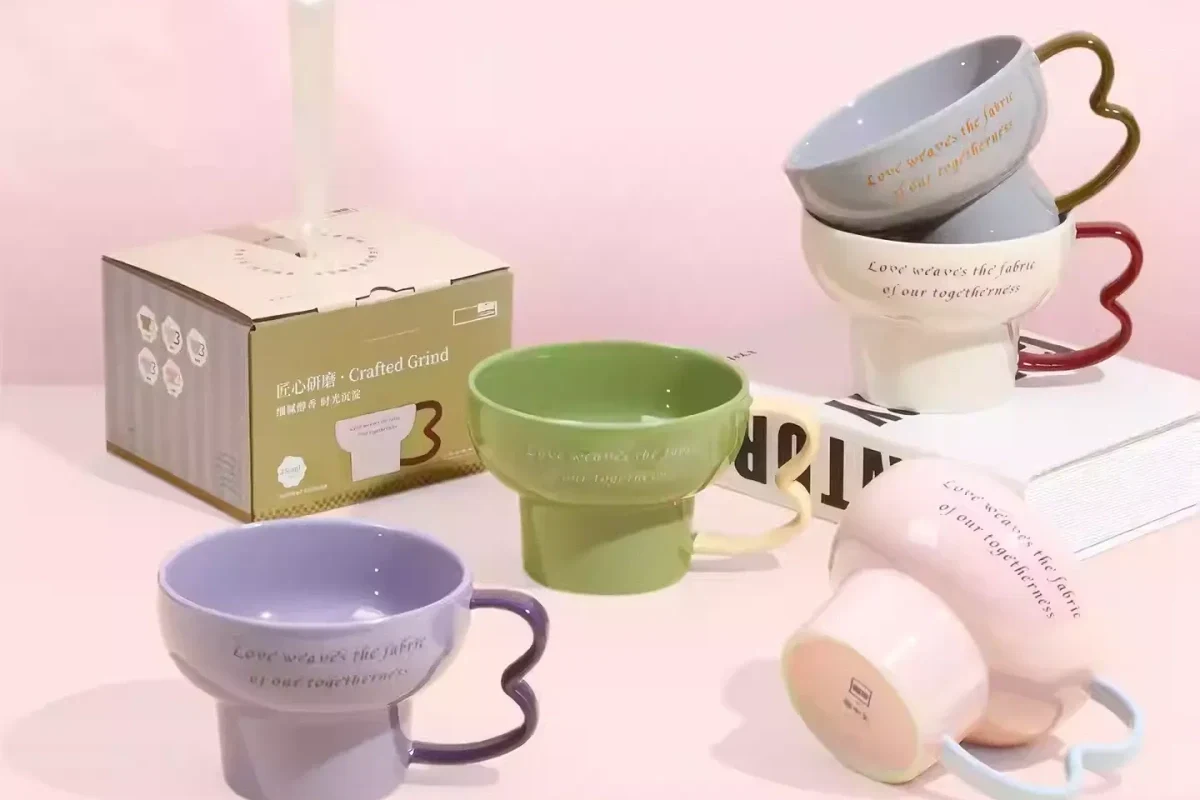
Decorative ceramic mugs often raise the most concern. That is especially true when they have bright paint, metallic trim, or a glossy finish that looks worn.
Vintage mugs, souvenir mugs, and imported mugs with unclear labels can also deserve a closer look. A mug can look nice and still be a poor choice for daily use.
Why this question matters more in 2026
In 2026, shoppers have more choices than ever. That helps, but it also makes it easier to buy a mug with weak labeling or unclear safety claims.
People also use mugs for more than coffee now. Many hold tea, hot cocoa, broth, and even microwave reheats, so the finish gets a lot of use.
If a mug is chipped, cracked, or peeling, stop using it for hot drinks until you know it is safe.
How Lead Can Get Into Coffee Mugs
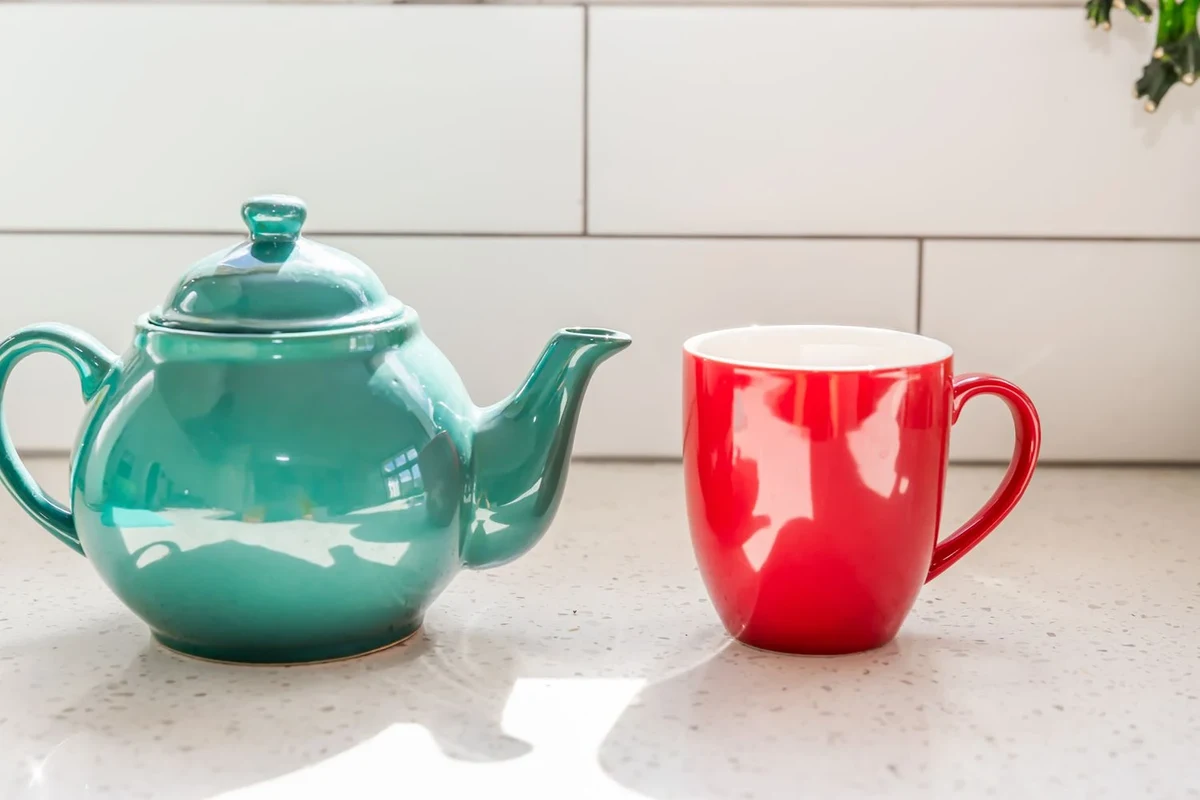
Lead usually enters a mug through the surface coating. It can be part of a glaze, a painted design, or a decorative edge.
That means the mug may look normal from the outside. The issue can hide in the finish, not the shape.
Lead in glaze, paint, and decorative trim
Glaze helps give ceramic mugs their smooth, shiny finish. If the glaze or paint contains lead, it may be a concern if it wears down or breaks.
Decorative trim can also matter. Metallic rims and painted accents may look attractive, but they can be higher risk if the maker used unsafe materials.
Older mugs versus newer mugs
Older mugs tend to raise more concern because safety rules and common practices have changed over time. That does not mean every old mug is unsafe.
It does mean you should be more careful with vintage finds, garage sale mugs, and family hand-me-downs. When in doubt, use them for display instead of drinks.
Imported mugs and handmade pieces
Imported mugs can be perfectly safe, but labels matter. If the maker or seller gives little detail, you have less to go on.
Handmade mugs can also vary from piece to piece. Small-batch work is beautiful, but the maker’s materials and firing process matter a lot.
Food-safe claims can still vary by country, seller, and product line. Check the exact item, not just the brand name.
How to Tell If a Mug May Be a Risk
You do not need to panic over every ceramic mug. You do need to watch for clues that the mug may not be a good daily choice.
Think of it like buying a used pan. A little wear is normal, but heavy damage changes the picture.
Warning signs to look for before buying
Look for vague labels, no maker name, or no food-use statement. Those are not proof of danger, but they are not reassuring either.
Also watch for very bright decoration, heavy metallic trim, or a “vintage” item with no safety details. If the seller cannot answer basic questions, move on.
Signs of wear, chips, and fading
Wear can matter as much as the original finish. Fading paint, rough spots, or a dull patch in the glaze can be warning signs.
Chips and cracks are especially important. They can trap moisture, weaken the mug, and make surface wear worse over time.
When labels and product claims help
Clear labels help when they are specific. Look for food-safe wording, lead-free claims, and care directions from the maker.
If a mug says it is microwave safe or dishwasher safe, that can help too. Still, those claims do not replace a lead-free statement.
A mug can be dishwasher safe and still not be the best choice for daily hot drinks if the finish is damaged.
Safe Mug Materials and What to Choose Instead
If you want a lower-risk mug, start with simple materials and clear labels. The safest choice is often the one with the least mystery.
That does not mean you need a boring mug. It just means the finish and maker information should be easy to trust.
Ceramic, porcelain, glass, stainless steel, and enamel
Ceramic and porcelain are common and can be safe when made well. They are popular because they hold heat and feel comfortable in the hand.
Glass, stainless steel, and enamel are also common options. Each has trade-offs in weight, heat feel, and cleaning.
Good for everyday use when the maker is clear about safety.
Easy to inspect, but it can feel hot and break more easily.
Tough and simple, but it changes the feel of hot drinks.
Best choices for daily hot drinks
For daily use, plain ceramic or porcelain from a trusted seller is often a smart pick. Clear food-use labeling gives you more confidence.
Stainless steel works well if you want durability. Glass can be a good choice if you want to see the drink and avoid surface wear.
Which materials can still have limits
No mug material is perfect. Ceramic can chip, glass can break, and stainless steel can dent.
Enamel can also chip if it gets knocked around. The material matters, but care matters too.
What to Check Before You Use a Mug Every Day
Before a mug becomes your daily go-to, check the basics. A few minutes now can save you worry later.
Think about safety, cleaning, and how the mug fits your routine.
Food-safe labels and lead-free claims
Look for a clear food-safe label. A lead-free claim is even better when it comes from the maker or retailer.
If the product page is vague, that is a sign to keep looking. Clear details are worth more than pretty photos.
Microwave and dishwasher safety
Microwave and dishwasher claims are helpful, but they are not the whole story. They tell you how the mug handles heat and washing.
Read the care notes for the exact mug. Some decorative finishes do not hold up well, even if the body of the mug is fine.
- Check the bottom stamp for maker and care details.
- Use plain mugs for daily coffee and tea.
- Set aside decorative mugs for display only.
When to avoid using a mug for hot drinks
Avoid the mug if the glaze is flaking, the rim is damaged, or the finish feels rough. Those are signs it may no longer be a good food-contact item.
Also avoid it if you cannot identify the maker and the mug looks old or heavily decorated. For hot drinks, simple is safer.
Follow the mug maker’s care instructions and stop using damaged mugs for food or drinks.
Cleaning, Care, and Common Mistakes That Increase Risk
Good care helps a mug last longer. It also helps reduce the chance of surface damage that can raise concern.
Most mug problems start small. A rough scrub here or a hard drop there can make things worse over time.
How rough cleaning can damage glaze
Harsh scrub pads can scratch the finish. Strong cleaners can also dull the surface if you use them too often.
Use gentle soap and a soft sponge when you can. That keeps the mug looking better and lowers wear.
Why cracks and chips matter
Cracks and chips are more than cosmetic flaws. They can weaken the mug and make cleaning less effective.
They can also hide grime and moisture. If the mug is part of your daily routine, that is a good reason to replace it.
Storage tips to help mugs last longer
Store mugs where they will not bump into each other. Crowded shelves often lead to chips on rims and handles.
If you stack mugs, do it carefully. A soft shelf liner can help protect the finish.
Wash gently and dry fully before putting the mug away.
Check for chips, cracks, fading, and rough spots.
Buying Guide: How to Pick a Safer Coffee Mug
When you shop for a mug, focus on the details that help you trust it. A good mug should be simple to live with and easy to care for.
That means looking past the design and checking the facts.
What to look for in product details
Check for food-safe wording, lead-free claims, and clear care notes. A named maker is better than a no-name listing.
If the listing mentions microwave or dishwasher use, read the limits. Some mugs have special decoration that needs extra care.
Price, value, and durability
Higher price does not always mean safer, but very cheap mugs can be a gamble. Value comes from clear labeling, solid build, and easy care.
A durable mug that lasts for years is usually a better buy than a pretty mug that chips fast.
Best mug choices for kids, gifts, and daily use
For kids, choose sturdy mugs with simple finishes and no fragile trim. For gifts, pick a trusted brand with clear care details.
For daily use, plain ceramic, porcelain, glass, or stainless steel often makes the most sense. The best mug is the one you can use with confidence.
Final Recommendation: What Red Kitchen Project Suggests
Our best advice is simple. Choose mugs with clear food-safe labeling, plain finishes, and no visible damage.
If a mug looks old, heavily decorated, or poorly labeled, keep it out of your daily rotation.
Best overall approach for safety and value
The safest balance usually comes from a plain mug made by a known brand. It should have clear care instructions and a finish that holds up well.
That gives you a better mix of safety, ease, and long-term value.
When to replace a mug
Replace a mug if it chips, cracks, flakes, or starts to lose its finish. Replace it sooner if the maker gives no clear food-use details.
If you are unsure, it is smarter to retire the mug than to keep wondering about it.
Simple takeaway for readers
So, do coffee mugs contain lead? Some do, especially older or decorative ones. The safest move is to choose clear, food-safe mugs and skip damaged or mystery pieces.
Pick plain, clearly labeled mugs for daily drinks. Save decorative, vintage, or damaged mugs for display unless you can verify they are safe.
Frequently Asked Questions
No, not all coffee mugs contain lead. The main concern is usually in glaze, paint, trim, or older decorative mugs.
Older mugs, vintage mugs, souvenir mugs, and heavily decorated ceramic mugs can raise more concern. Imported or handmade mugs with unclear labeling also deserve extra caution.
Look for food-safe labeling, lead-free claims, and clear maker details. Avoid mugs with chips, cracks, fading, or peeling decoration.
Plain ceramic, porcelain, glass, or stainless steel can all work well when made and labeled clearly. The best choice depends on your cleaning habits, durability needs, and comfort.
Yes. Dishwasher-safe only means the mug can handle washing, not that every finish is lead-free or safe when damaged.
Stop using a mug if it chips, cracks, flakes, or loses its finish. Also avoid using it if the maker details are unclear and the mug looks old or heavily decorated.