Can You Make Cold Brew with a Regular Coffee Maker Guide

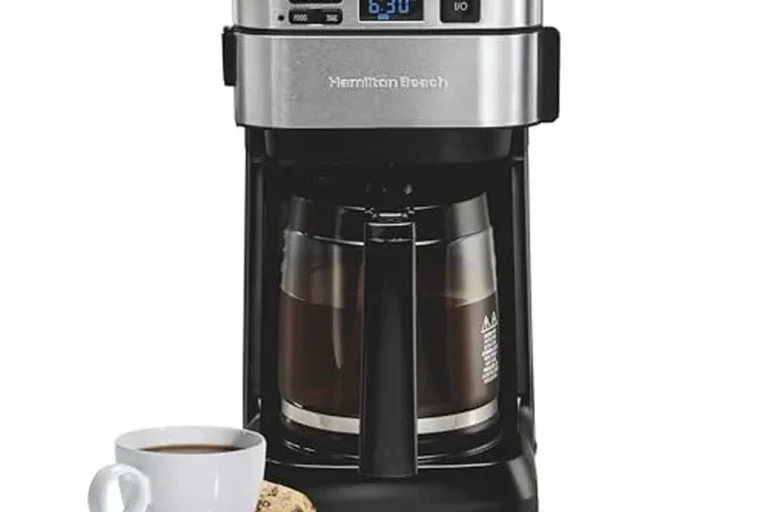
Yes, you can make a cold coffee drink with a regular coffee maker. It won’t be true cold brew, but it can still be smooth and easy.
Yes, you can make a cold brew style coffee with a regular coffee maker. It won’t be true cold brew in the strict sense, but it can still give you a smooth, strong cup you chill and serve cold.
The key is to use the machine as a brewing tool, then cool the coffee before drinking. That works best when you want low fuss and already own a drip machine.
- Yes, but not exact: A regular coffee maker makes iced coffee style drinks, not true cold brew.
- Best method: Brew strong, then cool it fast before serving over ice.
- Flavor trade-off: Hot brewing can taste sharper than long-steep cold brew.
- Easy win: Use a medium-coarse grind and a clean machine for better results.
Can You Make Cold Brew with a Regular Coffee Maker?

Yes, but there’s a catch. A regular coffee maker makes hot coffee, not true cold brew.
Cold brew usually steeps in cold or room-temp water for many hours. A drip machine uses heat and a fast brew cycle instead.
The short answer and what it really means
If you brew coffee in a regular machine and chill it, you get iced coffee or a cold coffee concentrate. That’s close to the goal, but the taste is different from true cold brew.
True cold brew often tastes softer, less sharp, and less acidic. Drip-brewed coffee can taste brighter and a bit more bitter after cooling.
Results vary by machine, coffee bean, grind size, and how long you chill the coffee.
How regular coffee makers differ from true cold brew setup
A true cold brew setup gives coffee time. Time pulls flavor from the grounds slowly and gently.
A regular coffee maker gives heat and speed. That changes the flavor and usually makes a thinner cold drink if you don’t adjust the recipe.
Uses long steeping for a smooth, mellow taste.
Uses heat and speed, then needs chilling.
How to Make Cold Brew with a Regular Coffee Maker
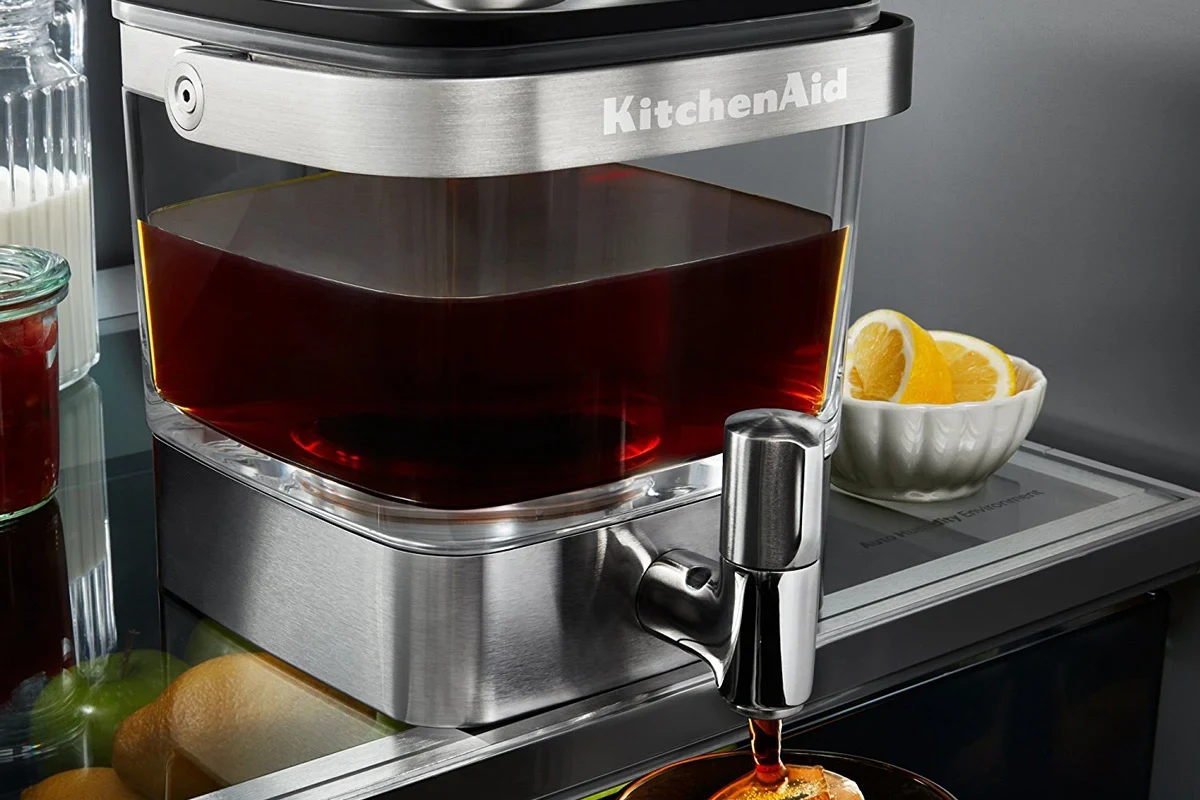
You have a few ways to do this at home. The easiest route is to brew strong coffee, then cool it down and serve it over ice.
If you want a more cold brew-like result, brew a stronger batch than usual. Then dilute it after chilling if needed.
Basic step-by-step method for drip machines
This method works for most drip coffee makers. It keeps things simple and avoids special gear.
Pick a coarse to medium-coarse grind if your machine allows it.
Use more coffee than you would for a normal batch.
Let the coffee stop steaming, then chill it in the fridge.
Pour the chilled coffee over ice and add water or milk if needed.
- Use a clean carafe so old oils do not affect taste.
- Chill the coffee before adding ice to limit dilution.
- Try a darker roast if you want a richer cold drink.
Using a coffee maker to brew strong concentrate for chilling
You can also brew a concentrated batch. This helps when you want a stronger drink after ice melts.
Use less water than normal only if your machine still brews well. Some machines need enough water to work right, so check the manual first.
Do not force a machine to run below its safe water line or outside the maker’s instructions.
A strong brew works well for iced drinks, milk drinks, or coffee cocktails. It also gives you more control over flavor after chilling.
Simple recipe ratios, grind size, and water tips
There is no single perfect ratio for every machine. Still, a stronger-than-normal starting point helps.
Here’s a simple home approach:
- Use about 1.5 to 2 times your normal coffee amount.
- Choose a coarse or medium-coarse grind when possible.
- Use filtered water if your tap water tastes strong.
- Chill the coffee before pouring it over a full glass of ice.
If the result tastes weak, use more grounds next time. If it tastes harsh, try a slightly coarser grind or a shorter hot brew.
Ice can water down coffee fast, so chilling first helps keep the flavor stronger.
What Works Best and What Falls Short
This method works best when convenience matters most. It falls short when you want the exact taste of true cold brew.
Flavor, strength, and smoothness compared with true cold brew
Cold brew made with a regular machine can still taste good. But it usually lacks the round, low-acid feel of a long steep.
Hot brewing pulls flavors faster. That can bring out more bite and more bitterness.
- Fast and easy
- Uses gear you already own
- Works well for iced drinks
- Not true cold brew
- Can taste sharper
- Needs extra chilling time
Time, effort, and cleanup differences
A regular coffee maker saves steeping time. You brew, cool, and drink.
True cold brew takes longer up front, but it can be easier once it’s made. Cleanup also depends on your setup and filter type.
Best use cases for home drinkers
This method makes sense for busy mornings, small kitchens, or anyone who wants iced coffee without buying more gear.
It also works well if you only want cold coffee once in a while. You may not need a separate brewer for that.
Best when you want speed and low cost.
Best when you want smoother flavor and bigger batches.
Common Mistakes to Avoid
Most bad results come from a few easy mistakes. The good news is that they’re simple to fix.
Wrong grind size and weak extraction
Very fine grounds can make coffee bitter or muddy. Very coarse grounds can make it weak.
For most drip machines, a medium-coarse grind is a safe place to start. If your machine has a basket filter, that often helps with cleanup too.
The coffee tastes watery or flat.
Use more grounds and check that the grind is not too coarse.
Brewing too hot or too fast
Hot water is part of drip brewing, but too much heat can make the drink harsh. A rushed brew can also leave you with thin flavor.
Stick to the machine’s normal cycle. Then adjust the coffee amount, not the machine’s safety settings.
Bad storage and stale coffee problems
Freshly brewed coffee starts losing flavor soon after brewing. That matters even more when you plan to chill it.
Store it in a sealed container in the fridge. Try to drink it within a day or two for the best taste.
- Cool coffee quickly and refrigerate it
- Use clean, sealed containers
- Make smaller batches if needed
- Leaving coffee out for hours
- Using old grounds
- Storing coffee in an open pitcher
Safety, Cleaning, and Maintenance
Cold coffee still needs safe handling. Heat, water, and food storage all matter here.
Food safety for long steeps and chilled coffee
If you brew hot coffee and chill it, cool it soon after brewing. Don’t leave it on the counter all day.
If you make true cold brew at home in another container, use clean tools and refrigerate it after steeping. When in doubt, follow food safety guidance and your brewer’s manual.
Follow the appliance manual and stop using damaged equipment.
How to clean filters, carafes, and removable parts
Clean the brew basket, carafe, lid, and any removable filter parts after each use. Coffee oils build up fast.
Rinse well, then wash with warm soapy water if the maker allows it. Check your manual before putting parts in a dishwasher.
Keeping your coffee maker ready for next time
Regular care helps the machine work better and keeps flavors cleaner. That matters when you use it for both hot coffee and chilled drinks.
Empty grounds, wash removable parts, and dry the carafe.
Check for mineral buildup and follow the maker’s cleaning steps.
If the machine smells stale, tastes off, or brews unevenly, clean it before the next batch. If damage shows up, stop using it and check the manufacturer’s support page.
Cost, Value, and Better Alternatives
The best choice depends on how often you want cold coffee. It also depends on how much counter space you have.
When a regular coffee maker makes sense
A regular coffee maker makes sense if you already own one. It also works well if you want an easy, low-cost way to make iced coffee at home.
This is a smart choice for occasional use. You can test the style before buying anything else.
When a cold brew pitcher or French press is better
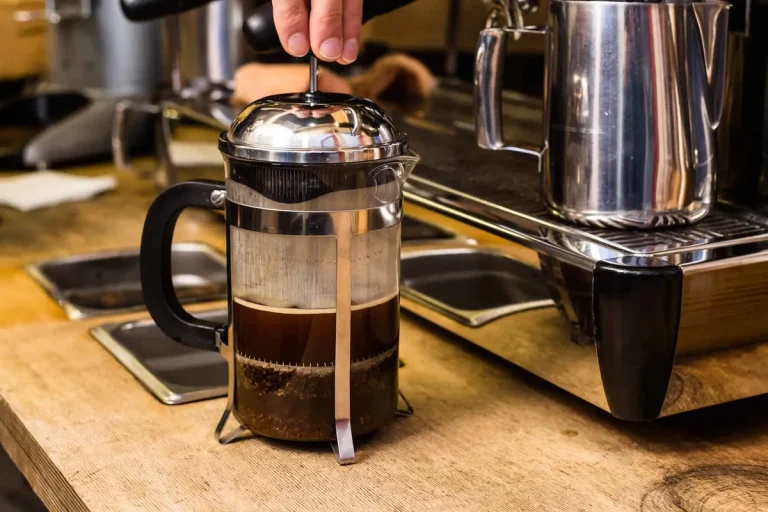
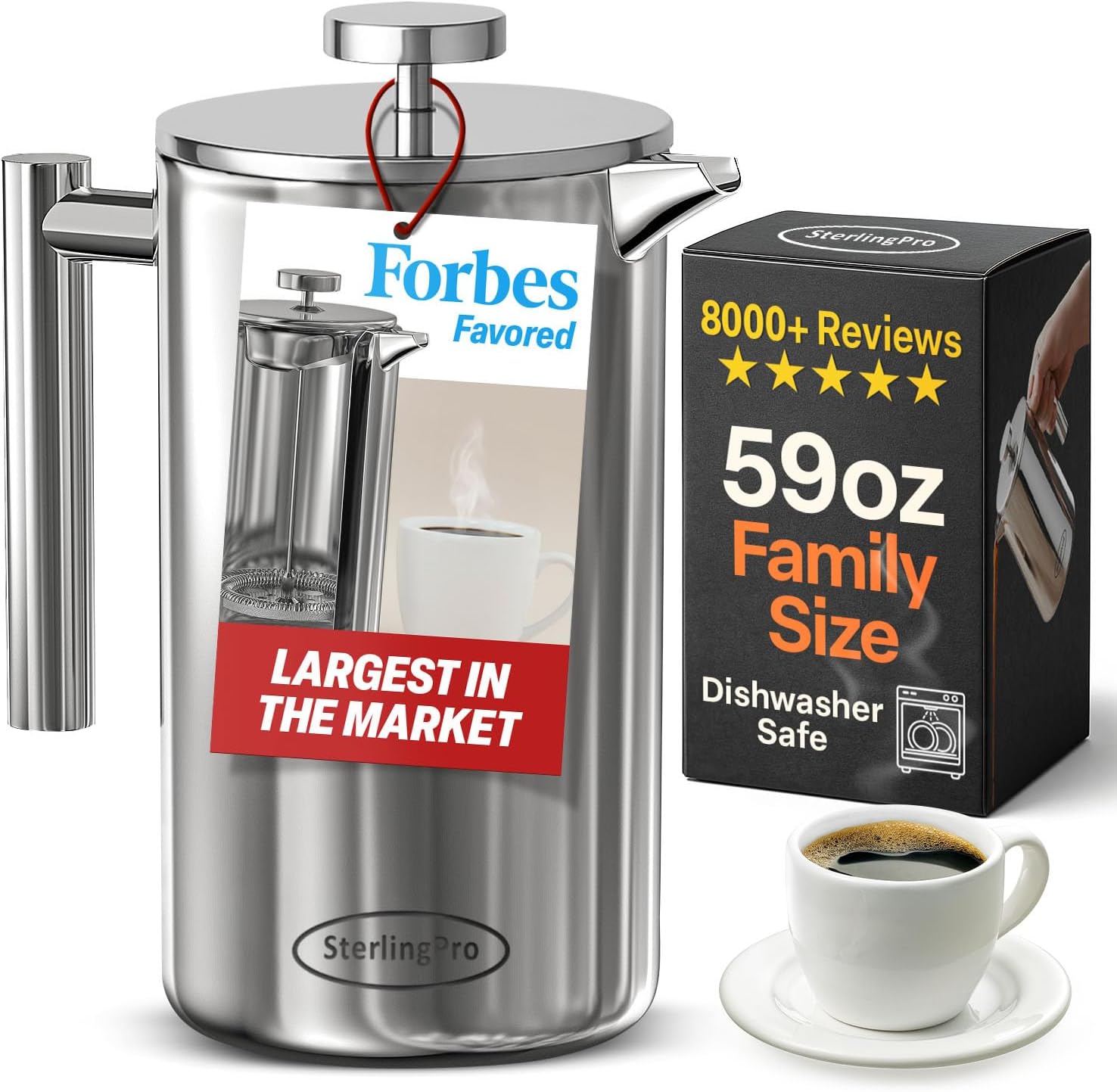
A cold brew pitcher is better if you want smoother flavor and less bitterness. A French press can also work for steeping, though cleanup may take more effort.
These options usually give you more control over steep time and strength. They also fit better if cold coffee is part of your weekly routine.
Budget and convenience comparison for 2026 buyers
For 2026 buyers, the value question is simple. Use what you own first, then upgrade only if you need better results.
If you want convenience, a regular coffee maker wins. If you want the best cold brew taste, a dedicated cold brew tool usually does better.
| Option | Best For | Key Consideration |
|---|---|---|
| Regular coffee maker | Quick iced coffee | Fast, but not true cold brew |
| Cold brew pitcher | Smooth flavor | Needs more time |
| French press | Simple steeping | Cleanup can be a little messier |
Final Recommendation: Is It Worth Trying?
Yes, it’s worth trying if you already have a drip coffee maker. You can make a decent cold coffee drink without buying a new appliance.
Just keep your expectations realistic. It’s a shortcut to iced coffee, not a perfect stand-in for true cold brew.
Who should use a regular coffee maker for cold brew
Use this method if you want speed, simplicity, and low cost. It’s also a good fit if you only make cold coffee now and then.
Who should skip it and buy a better tool
Skip it if you want the smoothest flavor and make cold brew often. In that case, a dedicated cold brew pitcher or steeping setup is the better long-term choice.
You can make a cold coffee drink with a regular coffee maker, and it’s a solid shortcut for busy home cooks. If you care most about true cold brew flavor, a dedicated steeping tool is still the better pick.
- Yes, a regular coffee maker can make chilled coffee drinks.
- It works best when you brew strong and chill fast.
- It won’t taste exactly like true cold brew.
- Dedicated cold brew tools win for smoothness and batch brewing.
Frequently Asked Questions
Yes, you can make a cold coffee drink with a regular coffee maker. It is not true cold brew, but it can still taste good when you brew strong and chill it.
A medium-coarse grind is a good starting point for most drip machines. Very fine grounds can taste bitter, while very coarse grounds may taste weak.
Start with a stronger-than-normal batch, often about 1.5 to 2 times your usual coffee amount. Exact results vary by machine, bean, and taste.
Chill the coffee before pouring it over ice. You can also brew it stronger and then dilute it a little after cooling.
Wash the brew basket, carafe, lid, and removable parts after each use. Follow the manual for dishwasher use and deeper cleaning steps.
Stop using it if you notice damage, odd smells, uneven brewing, or signs of electrical trouble. Check the manual and manufacturer support before using it again.