Does Milk Frother Make Milk Hot A Clear Answer

Yes, some milk frothers do make milk hot, but only if they have a heating function. Handheld and manual frothers usually make foam without warming the milk.
Yes, some milk frothers do make milk hot, but not all of them do. The answer depends on the type of frother and whether it has a built-in heating function.
If you are shopping for lattes, cappuccinos, or hot chocolate, this matters a lot. A frother that only whips air into milk will not warm it for you.
- Heated models: Automatic electric frothers can warm milk and foam it.
- Foam-only models: Handheld and manual frothers usually do not heat milk.
- Buy smart: Check the manual, capacity, and cleaning steps before you choose.
- Safety matters: Avoid overfilling, burnt smells, and damaged cords or bases.
- Best fit: Heated frothers suit lattes and cappuccinos best.
Does Milk Frother Make Milk Hot? The Short Answer
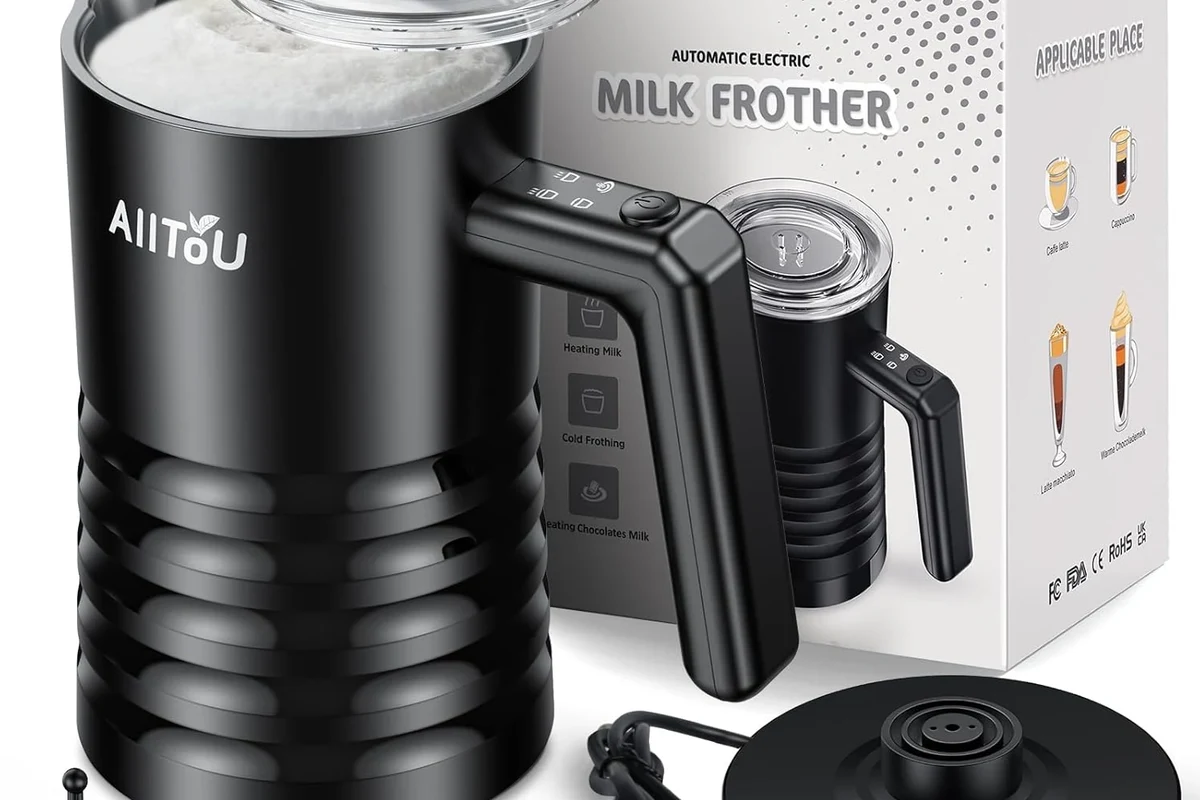
A milk frother can make milk hot only if it includes a heater. Many automatic electric frothers do. Handheld frothers and manual frothers usually do not.
So the real question is not just, “Does milk frother make milk hot?” It is, “What kind of frother are you using?”
What most frothers can and cannot do
Most frothers are built to create foam. Some also warm the milk at the same time. Others only mix air into cold milk.
That means you may get thick foam, but the drink can still feel cool. For a hot coffee drink, that can be a letdown.
Heating ability varies by model. Always check the product manual or listing before you buy.
Why some models heat milk while others only foam it
Heating takes extra parts. A frother needs a warming plate, a heating coil, or a base that controls temperature.
Simple frothers skip those parts to stay small, cheap, and fast. That is great for foam, but not for hot milk.
How a Milk Frother Makes Milk Hot
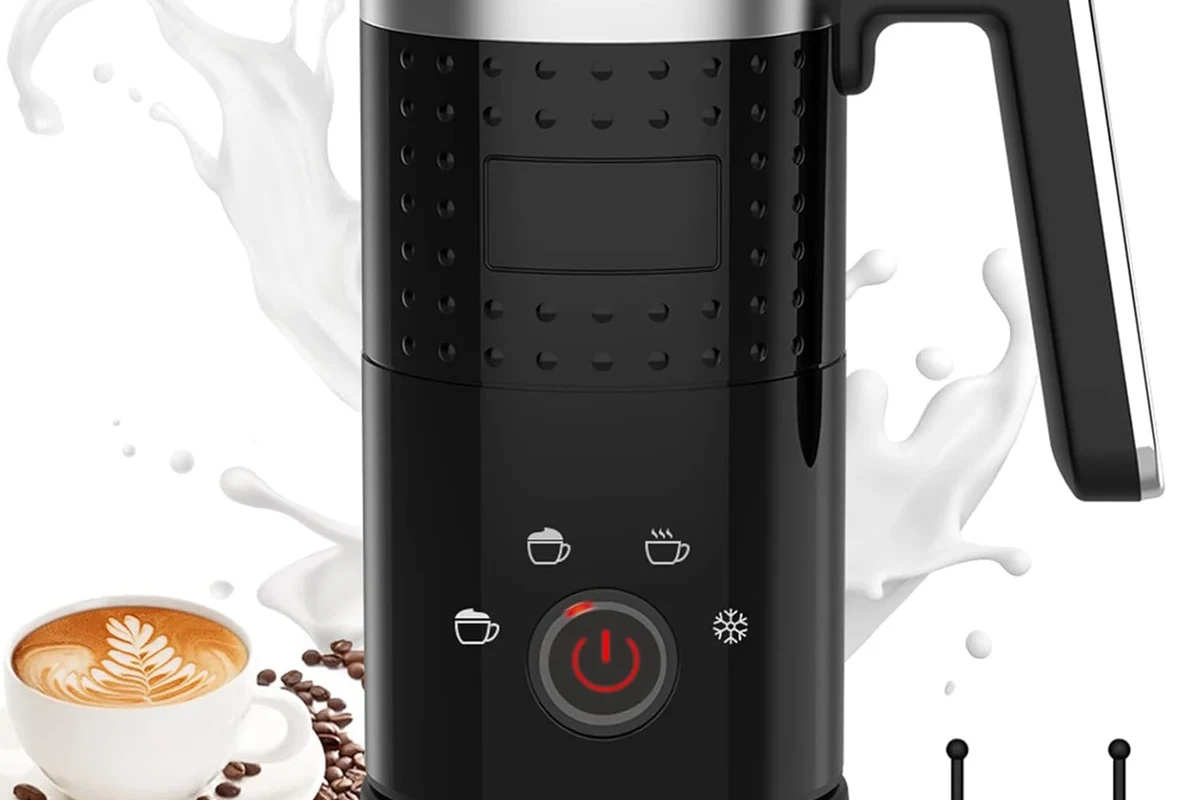
Electric frothers heat milk in a few different ways. The method changes how fast they work and how even the heat feels.
In short, the design decides whether you get warm foam or just airy milk.
Heating methods in electric frothers
Some frothers use a metal base that warms the pitcher. Others use a hidden heating element under the cup.
A few models combine heat and spinning motion in one unit. That helps warm the milk while it foams.
Frothing rods, whisks, and built-in warmers
A frothing rod or whisk mainly adds air. On its own, it does not heat milk.
Built-in warmers do the heating work. That is why countertop frothers with lids often make hot foam better than handheld tools.
Milk can scorch if it gets too hot. That can hurt flavor and make cleanup harder.
What temperature range to expect
Exact temperatures vary by model. Many heated frothers aim for a warm drink, not boiling milk.
That is a good thing. Milk that gets too hot can taste cooked and lose a smooth texture.
Types of Milk Frothers and How They Compare
Not every frother serves the same job. Some are best for foam only. Others are made for warm drinks.
If you want hot milk, the type you choose matters more than brand hype.
The main difference is simple. Some frothers only foam, while others also warm milk for drinks.
Manual frothers
Manual frothers use hand power. You pump or whisk the milk until it foams.
They do not heat milk. If you want a hot drink, you must warm the milk first.
Handheld electric frothers
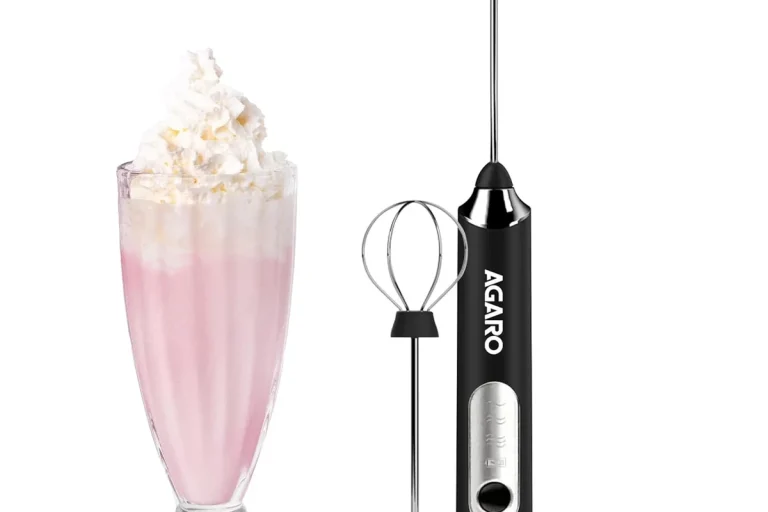
Handheld electric frothers spin a small whisk in the milk. They are quick and easy to store.
Most do not heat milk. They are best for topping a drink with foam, not for warming a full cup.
Automatic electric frothers with heat
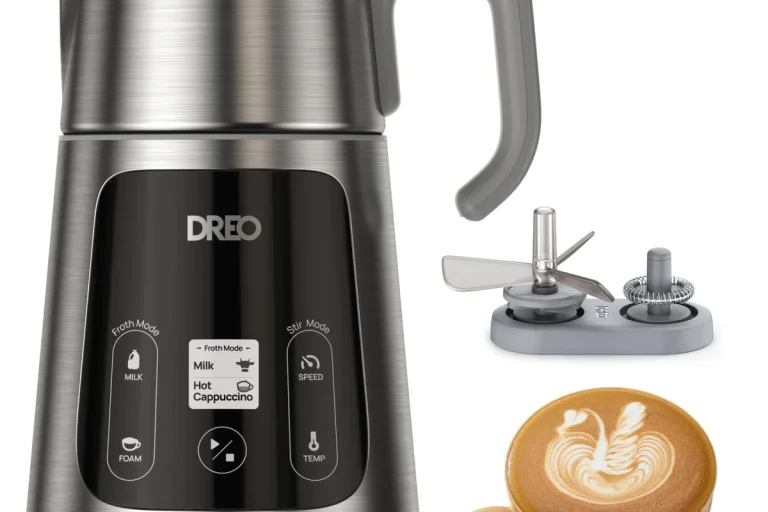
These are the best match for hot drinks. They usually sit on a base and heat milk while they foam it.
Many also offer separate modes for hot foam, cold foam, or simple warming.
Which type is best for hot drinks
If hot milk is your goal, choose an automatic electric frother with heat. It gives you the most control and the fewest extra steps.
If you only want foam for iced drinks, a handheld or manual frother may be enough.
Best for cold foam only, after you warm milk first.
Best for fast foam, not for heating milk.
Best for hot lattes, cappuccinos, and warm milk drinks.
Key Features to Check Before You Buy
Before buying, look past the marketing words. The useful details are the heat settings, size, and cleanup.
Those details decide how well the frother fits your kitchen and your drinks.
Temperature control and preset modes
Some frothers give you one warm setting. Others offer several modes.
Preset modes can help if you like one drink style more than another. For example, hot foam for cappuccinos and plain warm milk for cocoa.
Useful if you make the same drinks often.
Better if you want quick use with less guesswork.
Milk capacity and foam style
Capacity matters because foam takes space. A pitcher may hold less foam than plain milk.
If you overfill it, the milk can spill or foam unevenly. Check the max fill line every time.
Power, speed, and noise level
More power can help milk heat and foam faster. But speed is not everything.
Some fast frothers are loud. If you use one early in the morning, that may matter more than you think.
Easy-clean parts and nonstick interiors
Milk residue dries fast. That makes cleanup a big part of daily use.
A nonstick interior, removable whisk, or dishwasher-safe part can save time. Always follow the manual for safe cleaning.
- Check whether it heats milk or only froths it
- Look for clear temperature or mode settings
- Confirm capacity for your usual drink size
- Review cleaning steps and removable parts
Benefits and Limits of Heated Milk Frothing
Heated froth can make home drinks feel richer and more café-like. But it still has limits.
Knowing both sides helps you avoid disappointment.
Why heated froth works well for lattes and cappuccinos
Warm milk blends better with espresso. It also gives the drink a smoother feel.
Hot foam can sit nicely on top of cappuccinos and other espresso drinks.
- Warms milk and foams it in one step
- Makes coffee drinks feel smoother
- Saves time compared with separate tools
When a frother is not enough on its own
A frother is not a full heater for every job. Some models warm milk only a little.
If you want very hot milk, you may still need to heat it first on the stove or in a microwave-safe cup.
Best milk types for heat and foam
Different milks foam in different ways. Dairy milk often gives rich foam.
Some oat, soy, and other plant milks also froth well, but results vary by brand and recipe. Look for barista-style versions if you want better foam.
Milk can boil over or scorch if heated too long. Stop using a setting that smells burnt or behaves oddly.
Common Mistakes, Safety Tips, and Troubleshooting
Most frother problems come from simple mistakes. Overfilling, using the wrong milk, or picking the wrong mode can all cause trouble.
These are easy to avoid once you know what to watch for.
Overfilling the pitcher
Foam expands fast. That is why the fill line matters.
If you fill past the max line, milk can spill into the lid or base. That makes cleaning harder and can affect the motor.
Using the wrong milk or setting
Some frothers work better with dairy milk. Others handle plant milk well, but not all of them do.
If your foam looks thin, try a different milk or a different mode. The manual often explains the best setting.
Avoiding scorched milk and weak foam
Scorched milk usually means too much heat or too much time. Weak foam often means the milk was too full, too cold, or the whisk was not seated well.
If the frother has a hot and cold setting, use the one that matches your drink.
Milk smells burnt or tastes flat.
Use a lower heat setting and stop at the recommended fill line.
- Read the manual before first use
- Keep milk below the max line
- Clean the pitcher soon after use
- Never run a damaged cord or cracked base
- Do not open sealed electrical parts
- Do not ignore steam or burning smells
Safety steps for hot surfaces and steam
Hot frothers can burn skin fast. The pitcher, lid, and steam can all get hot.
Use a stable counter and keep children away during use. If a unit leaks, sparks, or smells wrong, stop using it right away.
Follow the appliance manual and stop using damaged equipment.
Cleaning, Maintenance, and Value for Money
A good frother should be easy to clean. If it is not, daily use gets annoying fast.
Cleanup is also part of safety, because dried milk can build up and affect performance.
How often to clean a milk frother
Clean it after each use. Milk residue hardens quickly.
A deeper check once in a while can help you spot wear, buildup, or damaged parts.
What to do after each use
Let the unit cool if the manual says to do so. Then wash the parts that the maker allows you to clean.
Wipe the base dry and keep water away from plugs and electrical parts.
Rinse or wash safe parts, then dry them fully.
Check the whisk, seals, and coating for wear.
Long-term care and parts that wear out
Whisks, lids, and nonstick coatings can wear down over time. That can change how well the frother works.
If the foam gets weaker or cleanup gets harder, worn parts may be the reason.
When a pricier model is worth it
A more expensive frother can be worth it if you use it every day. Better controls and easier cleanup often matter most.
If you only froth milk once in a while, a simple model may be enough.
Final Recommendation: Is a Milk Frother Worth It for Hot Milk?
Yes, a milk frother can be worth it if you want hot milk drinks at home. Just make sure you buy a heated model, not a foam-only tool.
The best choice depends on how you drink coffee and how much cleanup you want to handle.
Best choice for home coffee drinkers
An automatic electric frother with heat is the best all-around pick. It makes warm milk and foam in one step.
That is ideal for lattes, cappuccinos, and hot cocoa.
Best choice for buyers who only want foam
If you only want foam for iced drinks or topping coffee, a handheld frother can be enough.
It costs less in effort and takes up little space, but it will not heat milk for you.
Bottom-line verdict for Red Kitchen Project readers
For hot milk, choose a frother that clearly says it heats milk. For foam only, a simpler frother can save money and space.
In short, the right answer depends on the model. The wrong type will froth well but leave your milk cold.
A heated automatic frother is the best choice if you want hot milk and foam together. If you only need foam, a manual or handheld frother is usually the simpler pick.
Frequently Asked Questions
No. Many handheld and manual frothers only foam milk. Automatic electric frothers are more likely to heat and foam at the same time.
An automatic electric frother with heat is usually the best choice. It can warm milk and make foam in one step.
Yes, if the heat is too high or the cycle runs too long. Follow the manual and stop if milk smells burnt.
The milk may be overfilled, too cold, or not suited to the setting. Try the fill line, a different milk, or another mode.
Clean it after each use. Milk dries fast and can affect both foam quality and cleanup.
Check whether it heats milk, the capacity, the controls, and how easy it is to clean. Also review the manual, warranty, and safety notes.