How to Use French Press Coffee Maker Bodum Like a Pro

Use coarse coffee, hot water, and about four minutes of steep time. Press slowly and clean the filter right after brewing for the best results.
If you want rich, full-bodied coffee at home, a Bodum French press is a great place to start. The process is simple, but a few small steps make a big difference in taste. This guide shows you how to use french press coffee maker Bodum the right way, plus how to clean it, avoid common mistakes, and choose the best model for your kitchen.
- Start coarse: Fine grounds make gritty coffee and a hard press.
- Watch the heat: Hot water works best, but boiling water can taste harsh.
- Pour fast: Coffee tastes better when you serve it right away.
- Clean often: Fresh filters and clean parts improve taste and ease use.
What a Bodum French Press Is and Why It’s So Popular
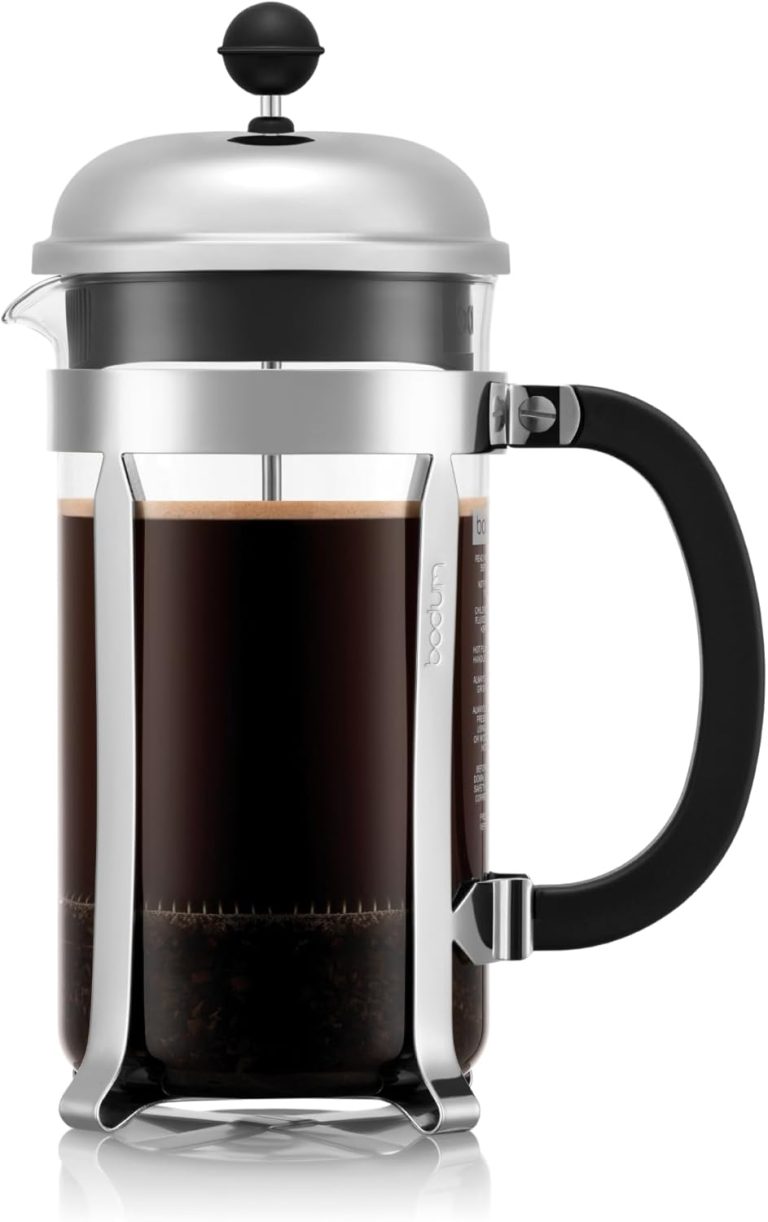
A Bodum French press is a manual coffee maker with a plunger and mesh filter. It brews coffee by soaking grounds in hot water, then separating the liquid from the grounds.
How the French press method works
French press coffee uses immersion brewing. That means the grounds sit in hot water for several minutes instead of dripping through a paper filter.
This method keeps more coffee oils in the cup. That usually gives you a heavier body and a richer taste. It can also make the coffee seem stronger, even when the ratio stays the same.
French press filters let more fine oils through than paper filters do.
Why Bodum models stand out for home coffee
Bodum is one of the best-known names in French press coffee. Many home cooks like the simple design, easy setup, and wide range of sizes.
The brand also offers glass, stainless steel, and travel-friendly styles. That makes it easier to match a press to your space and routine.
Easy to learn, even if you are new to manual coffee.
Good for solo cups, couples, or larger households.
Choose glass for style or steel for better durability.
How to Use French Press Coffee Maker Bodum Step by Step
The basic method is easy. Heat water, add coffee, steep, press, and pour. The trick is doing each step with care so the cup tastes clean, not muddy or bitter.
What you need before you start
Before brewing, gather a few simple items. Having everything ready keeps the process smooth and helps you avoid over-steeping.
Use coarse coffee grounds. Fine grounds can slip through the mesh and make the cup gritty. They can also make pressing harder.
Water temperature, coffee grind, and brew time
Use hot water, but not boiling water. Very hot water can pull out harsh flavors fast. A little cooling after boiling usually helps, but exact temperature can vary by preference and model.
Most French press brewing works well with a coarse grind and a steep time of about four minutes. Some people prefer a shorter or longer steep, but longer brewing often brings more bitterness.
Use care with hot water and hot glass or steel parts. Follow the manual if your Bodum model has special heat limits.
Pressing, pouring, and serving the right way
Rinse the carafe with hot water, then pour it out.
Use a coarse grind and add the amount your ratio calls for.
Wet all the grounds evenly, then fill to your desired level.
Stir gently, place the lid on top, and let it brew.
Push the plunger down with steady pressure, not a fast shove.
Serve the coffee soon after pressing to keep the taste balanced.
Do not force the plunger if it resists. That usually means the grind is too fine, the brew is too full, or the filter needs cleaning.
Best Coffee Ratios, Brew Time, and Taste Tips
French press coffee is easy to tweak. Once you learn the basic ratio, you can make it stronger, lighter, smoother, or bolder.
Simple ratio guide for beginners
A common starting point is about one to two tablespoons of coffee for every six ounces of water. Many home brewers also use a weight-based ratio for more steady results.
Because scoop sizes vary, a kitchen scale can help if you want better repeatability. Still, you can make good coffee with measuring spoons if you keep the same scoop each time.
Exact ratios can vary by bean roast, grind size, and personal taste. Start simple, then adjust one thing at a time.
How to adjust strength, body, and flavor
If the coffee tastes weak, use a little more coffee or a slightly longer steep. If it tastes harsh, use less steep time or a coarser grind.
If you want a smoother cup, try a medium-dark roast and avoid over-stirring. If you want more brightness, use fresher beans and a cleaner pour.
- Grind just before brewing for fresher flavor.
- Stir gently to wet all grounds, then stop.
- Pour the coffee out after pressing.
Common brewing mistakes that ruin the cup
Some mistakes show up fast in the cup. Luckily, most of them are easy to fix.
The coffee tastes bitter and flat.
Use cooler water, a shorter steep, or a coarser grind.
The cup tastes gritty.
Switch to a coarser grind and check that the filter is seated well.
The coffee gets stronger and harsher while it sits.
Pour it into a mug or thermal carafe right after pressing.
Choosing the Right Bodum French Press Model
Not every Bodum press fits every kitchen. The best one depends on how much coffee you make, how careful you are with glass, and whether you want better heat retention.
Glass, stainless steel, and travel-friendly options
Glass presses are classic and easy to see through. They look nice on the counter, but they need gentler handling.
Stainless steel models usually feel sturdier and often hold heat better. Travel-friendly versions can be useful if you brew in more than one place.
Best if you want a classic look and easy brewing visibility.
Best if you want better durability and heat hold.
Best if you need a smaller or more portable setup.
Capacity, durability, and heat retention
Capacity matters more than many shoppers expect. A press that is too small means extra batches. A press that is too large may cool faster if you brew small amounts.
Durability also matters if you use your press every day. Steel models often handle rougher use better, while glass models may need more careful washing and storage.
Who each Bodum model is best for
Cleaning and Maintenance for Better Coffee Every Day
A clean French press makes better coffee. Old oils and fine grounds can build up fast, and that can change the taste.
How to clean the plunger, filter, and carafe
After brewing, discard the grounds and rinse the parts with warm water. Wash the carafe, plunger, and filter with mild soap if the manual allows it.
Take care with glass parts. Let them cool before washing if they are hot. A sudden temperature change can stress the glass.
Empty the grounds, rinse the parts, and wash away coffee oils.
Check the mesh and plunger for trapped fines.
Do a deeper clean and inspect seals and filter parts.
How often to deep clean and replace parts
How often you deep clean depends on use. A daily brewer may need more frequent care than someone who uses it once a week.
If the filter mesh bends, the seal loosens, or parts no longer fit well, check the manual for replacement options. Use official parts when possible.
Simple care tips to help your press last longer
Small habits can make a big difference. Dry the parts after washing, store the press in a safe spot, and avoid banging the plunger on hard surfaces.
Also, do not use rough scrubbers on parts that scratch easily. Gentle cleaning helps the press stay clear, smooth, and easy to use.
Safety Tips and Common Problems to Avoid
French presses are simple, but they still need care. Hot water, glass, and pressure can all create problems if you rush.
How to avoid burns, spills, and broken glass
Follow the appliance manual and stop using damaged equipment.
Set the press on a stable, dry surface before brewing. Hold the handle and lid firmly when pouring, and keep your hands clear of steam.
If your model is glass, inspect it for chips or cracks before each use. Stop using it if you see damage.
What to do if coffee tastes bitter or gritty
Bitter coffee usually means the water was too hot, the steep was too long, or the grind was too fine. Gritty coffee often means the grind is too fine or the filter needs help.
Try one change at a time. That makes it easier to find the real cause.
- Change grind, water heat, or steep time one step at a time
- Rinse the filter and plunger after each use
- Using fine espresso grind in a French press
- Leaving brewed coffee in the press for a long time
How to fix a slow plunger or weak brew
A slow plunger often points to a grind that is too fine or a filter that needs cleaning. A weak brew usually means too little coffee, too much water, or too short a steep.
The plunger is hard to push down.
Use a coarser grind and make sure the filter is clean and seated correctly.
The coffee tastes too light.
Add more coffee, steep a little longer, or reduce the water slightly.
Is a Bodum French Press Worth It in 2026?
For many home coffee drinkers, yes. A Bodum French press offers simple brewing, low fuss, and a style that fits many kitchens.
The value depends on what you want. If you like full-bodied coffee and do not mind a manual process, it is a strong choice. If you want one-touch brewing or paper-filter clarity, another coffee maker may suit you better.
Cost, value, and who should buy one
Exact prices vary by model and retailer, so it is better to think in terms of value. Bodum presses often appeal to buyers who want a straightforward brewer without a lot of extra parts.
They are a good fit for students, small households, and coffee fans who enjoy hands-on brewing. They can also make sense as a backup coffee maker.
Final recommendation from the Red Kitchen Project Editorial Team
A Bodum French press is worth it if you want simple, rich coffee and easy daily use. Choose glass if you like the classic feel, or stainless steel if you want more durability and better heat hold. If you want the cleanest cup with less sediment, a paper-filter brewer may be a better match.
In short, the best Bodum model is the one that fits your kitchen, your batch size, and how careful you want to be with cleaning and handling. Follow the manual, use a coarse grind, and pour soon after pressing for the best results.
- Use coarse grounds and hot, not boiling, water.
- Steep for about four minutes, then press slowly.
- Clean the plunger and mesh after every use.
- Choose glass for style or steel for durability.
- Stop using any press that has cracks or loose parts.
Frequently Asked Questions
Use a coarse grind. Fine grounds can slip through the mesh and make the coffee gritty. They can also make the plunger harder to press.
Use hot water, but not a full rolling boil. Very hot water can pull out harsh flavors, so letting it cool briefly often helps.
A common starting point is about four minutes. You can adjust a little for taste, but longer steeping often brings more bitterness.
Bitter coffee often comes from water that is too hot, a steep that is too long, or a grind that is too fine. Gritty coffee usually means the grind is too fine or the filter needs cleaning.
Empty the grounds, rinse the parts, and wash with mild soap if your manual allows it. Let hot glass cool before washing, and clean the filter and plunger well.
It can be a strong choice if you want simple, rich coffee and easy daily use. If you want a cleaner cup with less sediment, a paper-filter brewer may suit you better.