Will Cold Brew Make You Poop What You Need to Know

will cold brew make you poop is easiest to understand by checking the intended use, important specifications, real limitations, safety guidance, and maintenance needs.
Yes, cold brew can make you poop more often. The main reason is caffeine, which can wake up your gut and speed things along.
That said, not everyone reacts the same way. Some people feel a quick bathroom urge after one cup, while others notice nothing at all.
- Caffeine matters: Cold brew can still stimulate the colon.
- Serving size counts: Bigger, faster drinks hit harder.
- Add-ins matter: Cream and sugar can worsen upset.
- Dilution helps: Smaller, weaker servings are often easier.
Will Cold Brew Make You Poop? The Short Answer and What Really Happens
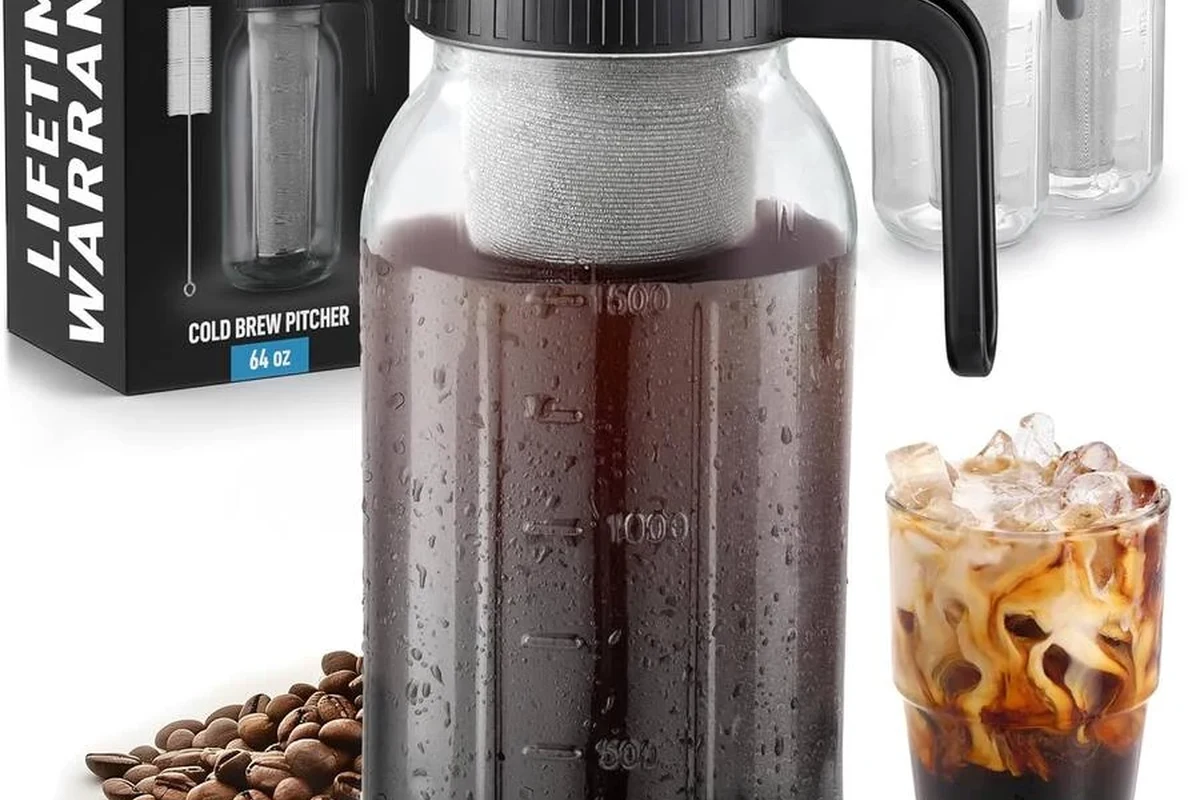
Cold brew can trigger a bowel movement because coffee often stimulates the digestive tract. It can also make stool move faster in some people.
In short, the effect is real for many coffee drinkers, but it is not the same for everyone.
Why does coffee sometimes make people rush to the bathroom?
Coffee can trigger a natural gut reflex. It may also raise stomach activity and nudge the colon to contract.
Why some people feel the urge after cold brew
Cold brew still contains caffeine, and caffeine can act like a mild stimulant. That can help move waste through the colon faster.
Some people notice the urge within minutes. Others feel it later, after the drink settles in.
How caffeine, acids, and gut reflexes can affect digestion
Caffeine is the biggest reason. But coffee also seems to trigger a gastrocolic reflex, which tells your gut to make room for food and drink.
Acids and other coffee compounds may also play a role. Even if cold brew tastes smoother, it can still affect the stomach and bowels.
Who is most likely to notice this effect
People with caffeine sensitivity often notice it first. So do people who drink coffee on an empty stomach.
You may also feel it more if you already deal with loose stools, IBS, or a sensitive stomach.
Cold brew strength varies a lot by brand, brew method, and how much you dilute it.
What in Cold Brew Can Trigger a Bathroom Trip
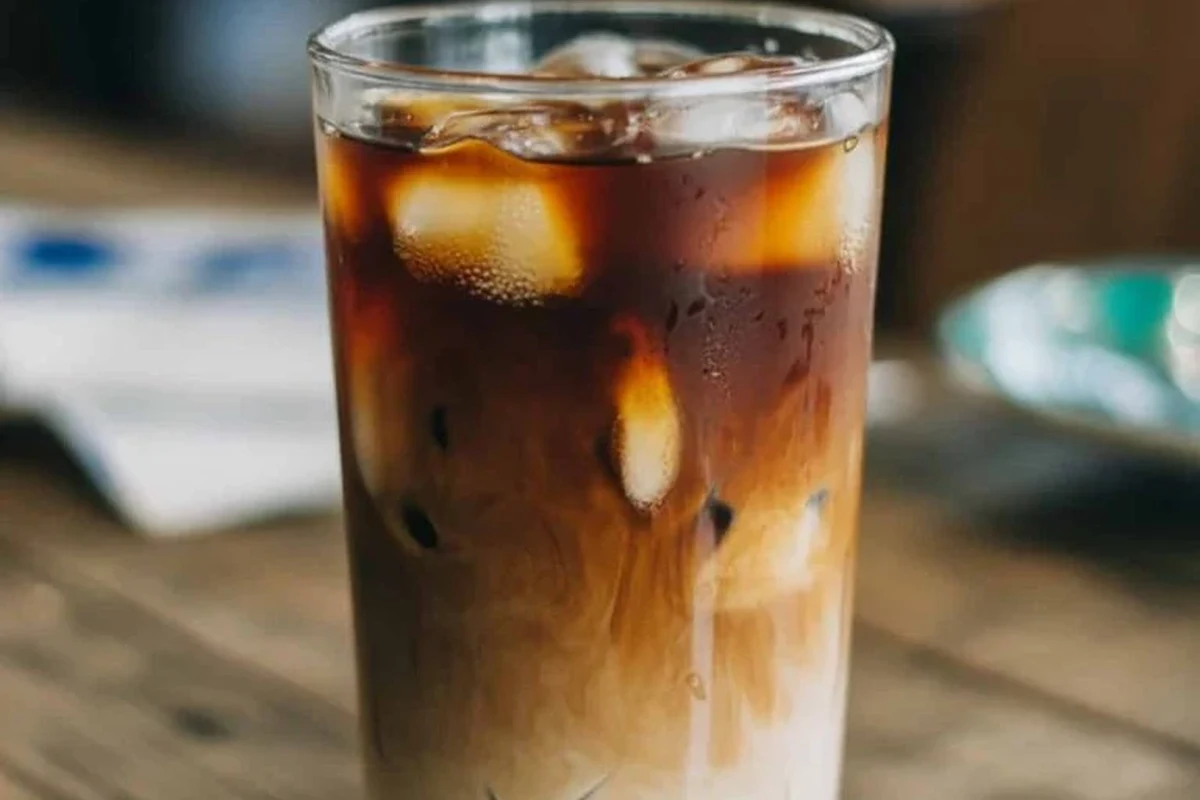
Cold brew is not magical. It is still coffee, and coffee can affect digestion in a few different ways.
The size of the serving, the caffeine level, and what you mix into it all matter.
Caffeine levels and how they compare with hot coffee
Cold brew is often made as a concentrate. That can make it seem stronger than drip coffee.
Some cold brew drinks have more caffeine than a regular cup. Others have less, especially when diluted.
Acidity, fat, and sugar add-ins that may change the effect
Cold brew often tastes less sharp than hot coffee. That can feel easier on the stomach for some people.
But heavy cream, sweet syrups, and sugar can also upset digestion. Rich add-ins may cause cramps or loose stools in some drinkers.
Serving size and how much you drink at once
A large glass can hit your system harder than a small cup. Fast drinking can make the effect stronger, too.
If you chug cold brew, you may feel the urge sooner. A slow sip gives your body more time to react.
- Start with a small cup, not a full bottle.
- Dilute concentrate before you judge the effect.
- Watch how add-ins change your stomach response.
Cold Brew vs. Other Coffee Drinks: Which One Is More Likely to Move Your Bowels?
Different coffee drinks can affect your body in different ways. The biggest difference is often caffeine amount and serving size.
For many people, the drink that causes the most bathroom trips is the one they drink the fastest.
The best choice depends on caffeine, dilution, and how sensitive your stomach feels.
Cold brew versus iced coffee
Iced coffee usually starts as hot-brewed coffee that gets chilled. Cold brew steeps in cold water for a longer time.
That means the taste and strength can differ a lot. Either one may make you poop if the caffeine level is high enough.
Cold brew versus hot drip coffee
Hot drip coffee often tastes brighter and more acidic. Some people find that harder on the stomach.
Cold brew often tastes smoother. Still, smoother does not mean it will not move your bowels.
Cold brew versus espresso drinks
Espresso drinks can pack a lot of caffeine into a small cup. That can make the effect feel quick and strong.
Milk-based espresso drinks may feel gentler for some people. But dairy can bother others, so the result depends on your body.
Best choice if you want less stomach upset
If you want less upset, try a smaller, diluted drink. A lower-caffeine option is often the safer bet.
If coffee usually bothers you, cold brew may still be too much. In that case, tea or a lower-caffeine drink may work better.
Cold brew often feels less sharp than hot coffee.
A smaller or lower-caffeine drink may be easier to handle.
Benefits and Limits of Cold Brew for Digestion
Cold brew can be easier to sip for some people. It can also feel less harsh than a hot, acidic cup.
But it still has limits. If caffeine bothers you, cold brew can still cause trouble.
Possible upsides for people who tolerate coffee well
People who handle coffee well may like cold brew because it tastes smooth. It can also work well when diluted over ice or mixed with milk.
For regular coffee drinkers, that smooth taste may make it easier to enjoy without the sharp bite of hot coffee.
When cold brew may still cause cramps, urgency, or loose stools
Cold brew may still cause cramps if you drink too much. It can also cause urgency if your gut reacts fast to caffeine.
Loose stools are more likely if you combine coffee with rich creamers, lots of sugar, or another caffeinated drink.
Why “smooth” does not always mean “gentle”
Smooth taste and gentle digestion are not the same thing. A drink can taste mild and still be strong enough to affect your gut.
That is why some people get surprised. The coffee feels easy to drink, then their stomach says otherwise.
If coffee causes repeated pain, severe diarrhea, or blood in stool, stop and get medical advice.
How to Drink Cold Brew Without Upsetting Your Stomach
You do not always need to quit cold brew. A few simple changes can make it easier to handle.
The goal is to lower the dose, slow the pace, and avoid extras that may irritate your gut.
Start with a smaller serving
Try half a cup instead of a full glass. That gives you a better sense of your own limit.
If your stomach stays calm, you can slowly increase the amount later.
Choose lower-caffeine or diluted cold brew
Check whether you are drinking concentrate or ready-to-drink cold brew. Concentrate often needs dilution.
Diluting it can make a big difference. It may also help you enjoy the flavor without overdoing caffeine.
Avoid heavy creamers and sugar bombs
Sweet drinks can upset digestion in their own way. Heavy cream can also feel rich and hard to process.
If you want a gentler cup, try a small splash of milk or a lighter add-in.
Drink it with food instead of on an empty stomach
Food can slow the hit from caffeine. It may also help protect a sensitive stomach.
A simple breakfast or snack can make a big difference. Even toast or yogurt may help.
- Start small and see how your body reacts.
- Drink cold brew with food when possible.
- Dilute concentrate before serving.
- Do not chug a large cup on an empty stomach.
- Do not stack cold brew with energy drinks.
- Do not ignore signs of caffeine sensitivity.
Common Mistakes That Make the Bathroom Effect Worse
Most bad reactions come from habits, not from cold brew alone. A few simple mistakes can make the effect much stronger.
Drinking too much too fast
Fast drinking gives caffeine less time to spread through your system. It can also make you feel a sudden urge.
Take slower sips if you know coffee can move things along quickly.
Using a concentrate without diluting it
Concentrate is not the same as ready-to-drink coffee. It often needs water or milk before you drink it.
If you skip that step, you may get more caffeine than you expected.
Mixing cold brew with other caffeine sources
Cold brew plus soda, tea, or energy drinks can add up fast. That can raise the chance of jitters and bathroom trips.
One caffeinated drink is enough for many people.
Ignoring your own caffeine sensitivity
Some people can drink coffee all day. Others feel it after just a few sips.
Listen to your own body. Your limit may be lower than your friend’s.
Safety, Cleaning, and Storage Tips for Better Cold Brew
Good storage matters for taste and safety. Clean gear also helps your brew stay fresh and pleasant.
If you make cold brew at home, treat it like any other food or drink you store in the fridge.
How long cold brew stays fresh in the fridge
Storage time varies by recipe, container, and fridge temp. Many home brews taste best within a few days.
Check your brewer manual or recipe guide if you use a specific system. When in doubt, make smaller batches.
Why clean brewing gear matters for taste and safety
Old coffee oils can turn bitter. Dirty gear can also hold smells and residue.
Wash baskets, jars, filters, lids, and pitchers after each use. Let parts dry fully before storage.
Follow the appliance manual and stop using damaged equipment.
Signs your brew is no longer good
If it smells sour, looks cloudy in a strange way, or tastes off, toss it. When in doubt, do not drink it.
Any odd mold, slime, or unusual fizz is a clear sign to discard the batch.
Simple cleaning and maintenance habits for home brewers
Rinse brewing parts right after use. That keeps residue from drying on.
Once in a while, give jars and filters a deeper wash with warm, soapy water. Always follow the maker’s cleaning advice.
Rinse all parts, wash contact surfaces, and dry well.
Check for buildup, smells, and worn filters or seals.
Final Recommendation: Is Cold Brew a Good Choice If You’re Worried About Pooping More?
Cold brew can make you poop more, mainly because of caffeine. But the effect depends on the drink, the serving size, and your own gut sensitivity.
If you want the smooth taste of coffee with less chance of trouble, keep the cup small and dilute it well.
Best pick for sensitive stomachs
Choose a small, diluted cold brew with food. That is often the gentlest way to test your limit.
Best pick for regular coffee drinkers
If you already tolerate caffeine well, cold brew can be a nice everyday option. Just watch the total caffeine in your day.
When to cut back or talk to a doctor
Cut back if coffee causes pain, urgency, or frequent loose stools. Talk to a doctor if symptoms keep happening or feel severe.
In short, cold brew can be easier on taste, but not always on digestion. Your own body is the best guide.
- Cold brew can make you poop because of caffeine and gut reflexes.
- Serving size and add-ins can make the effect stronger.
- Diluting the drink may help if your stomach is sensitive.
- Severe or lasting symptoms need medical advice.
Frequently Asked Questions
It can, but the effect depends more on caffeine level than the brew style. Some cold brews are stronger than drip coffee, while others are diluted and milder.
Coffee can trigger the gut and speed up digestion. Caffeine, acids, and rich add-ins can all play a part.
Start with a small serving and dilute concentrate before drinking. It also helps to drink it with food and skip heavy creamers.
Often, yes, but the exact taste and acid feel vary by bean, brew time, and recipe. Lower acidity does not always mean less bathroom urgency.
It depends on the recipe, container, and fridge temperature. Many home brews taste best within a few days, so smaller batches are often safer.
Stop if coffee causes severe pain, repeated diarrhea, blood in stool, or symptoms that keep coming back. A doctor can help find the cause and suggest next steps.