Does French Press Make the Best Coffee for Flavor Lovers

French press can make excellent coffee, especially if you like bold flavor and a fuller body. It is not the best choice for everyone, since it leaves more sediment than cleaner brewing methods.
A French press can make excellent coffee, but it does not make the best coffee for everyone. If you love bold flavor, a fuller body, and simple gear, it may be your favorite brewer. If you want a very clean cup, another method may suit you better.
- Bold taste: French press makes rich coffee with more body and oils.
- Simple brewing: It needs little gear and is easy to learn.
- Main trade-off: You get more sediment than drip or pour over.
- Best results: Use a coarse grind, careful timing, and slow pressing.
- Best for: Flavor lovers, black coffee drinkers, and budget-minded home brewers.
Does French Press Make the Best Coffee? A Clear Answer for Flavor Lovers
For flavor lovers, the French press is often one of the best coffee makers. It gives you a rich, heavy cup with more oils and fine coffee bits in the brew.
That does not mean it wins every time. “Best” depends on what you want in the cup, how much cleanup you can handle, and how picky you are about texture.
In short, the French press is a top choice for taste and simplicity. It is not always the best choice for clarity or convenience.
How a French Press Works and Why It Changes Coffee Flavor
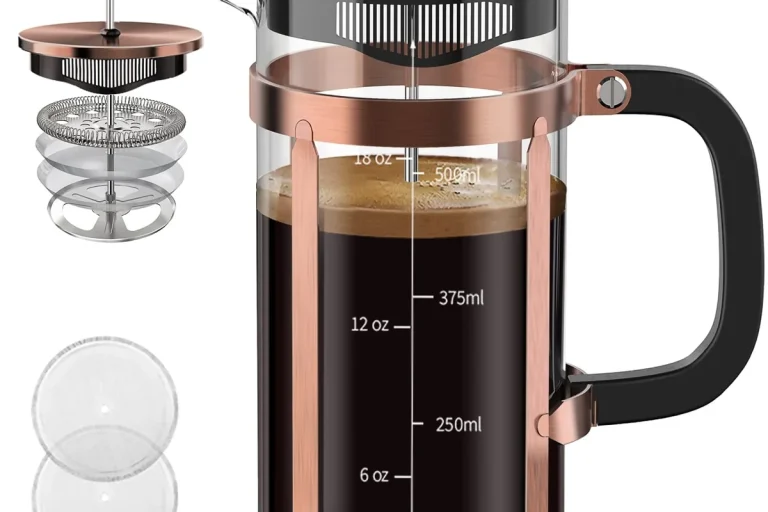
A French press uses steeping instead of paper filtering. Ground coffee sits in hot water, then a mesh filter presses the grounds down.
That simple process changes the taste in a big way. It keeps more natural oils and tiny coffee particles in the cup.
The simple brewing process
Use ground coffee and hot water in the carafe.
Give the coffee time to soak and release flavor.
Push the plunger down slowly and serve right away.
This method is easy to learn. It also gives you a lot of control over strength and taste.
What makes the taste richer and fuller
Paper filters trap more oils and fine particles. A French press does not remove as much of them.
That is why the cup feels heavier on the tongue. It can taste deep, round, and a little earthy.
Many coffee drinkers describe French press coffee as more “full-bodied” than drip coffee.
In short, the brew style itself is what gives French press coffee its bold feel.
French Press Coffee Compared With Other Brewing Methods
The best brewer depends on what you value most. Flavor, cleanup, speed, and cup clarity all matter here.
French press vs drip coffee
French Press
Best for a rich cup with more body and a simple setup.
VS
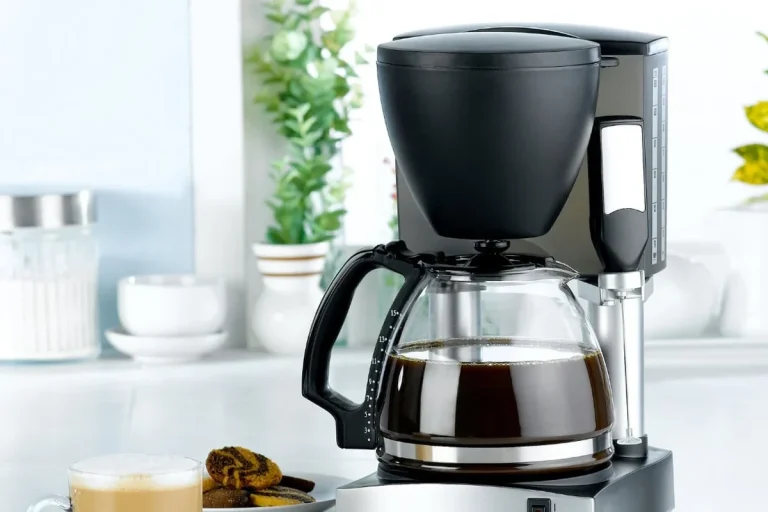
Drip Coffee
Best for a cleaner cup and easy batch brewing.
Drip coffee often tastes lighter and cleaner. French press coffee usually tastes fuller and more textured.
If you want a bright, crisp cup, drip may win. If you want a strong, round cup, French press often feels more satisfying.
French press vs pour over
Pour over coffee usually tastes clearer and more detailed. It uses paper filters that remove more oils and sediment.
French press gives you more body and a deeper mouthfeel. Pour over gives you more sparkle and clarity.
Grind size, water flow, and bean freshness can change both methods a lot.
Choose pour over if you like a clean, bright cup. Choose French press if you like a heavier brew with more depth.
French press vs espresso and AeroPress
Espresso uses pressure and a much finer grind. It makes a small, intense shot with a thick feel.
AeroPress sits between these methods. It can make a cleaner cup than French press, but still feel richer than drip.
| Option | Best For | Key Consideration |
|---|---|---|
| French press | Bold flavor | More body and some sediment |
| Pour over | Clean taste | More control, more technique |
| Espresso | Intense shots | Special gear and fine grind |
| AeroPress | Flexible brewing | Cleaner than French press |
In short, French press is the easiest route to a rich cup. It is not the most polished cup.
What You Need for Better French Press Coffee
Good French press coffee depends on a few basics. The brewer matters, but the grind and water matter even more.
Best grind size, water temperature, and brew time
Fresh hot water
Timer
French press brewer
A coarse grind usually works best. Fine grounds can slip through the mesh and make the cup muddy.
Water that is too hot can make coffee taste harsh. Many home brewers aim for water just off the boil, but exact results vary by bean and setup.
Brew time also matters. If you steep too long, the cup can turn bitter.
- Use a coarse grind for cleaner pressing.
- Stir gently to wet all grounds evenly.
- Pour soon after pressing to avoid over-extraction.
Bean type, roast level, and coffee-to-water ratio
French press works with many beans, but medium and dark roasts often taste especially good. Their deeper flavors stand out well in this method.
Light roasts can work too. They may taste brighter and more acidic, which some drinkers love.
The coffee-to-water ratio changes strength. A stronger mix gives a bolder cup, while a lighter mix tastes softer.
In short, the press can taste great, but the grind and ratio do a lot of the work.
Who Will Love French Press Coffee Most
French press coffee is not for everyone. It fits some drinkers far better than others.
Best for bold flavor seekers
If you like rich, heavy coffee, this method is a strong match. It brings out body and depth in a way many people enjoy.
It can also be a nice fit for people who drink coffee black. The fuller texture gives the cup more presence.
Best for home brewers on a budget
A French press is often a simple, low-cost brewing choice. You do not need a machine with pumps, pods, or many parts.
That makes it appealing for renters, students, and small kitchens. It also travels well if the model is sturdy enough for your needs.
Not ideal for people who want a clean cup
If you dislike sediment, French press may bother you. A little fine grit can end up in the bottom of the cup.
If you want bright, crisp flavor with less texture, pour over or drip may fit better.
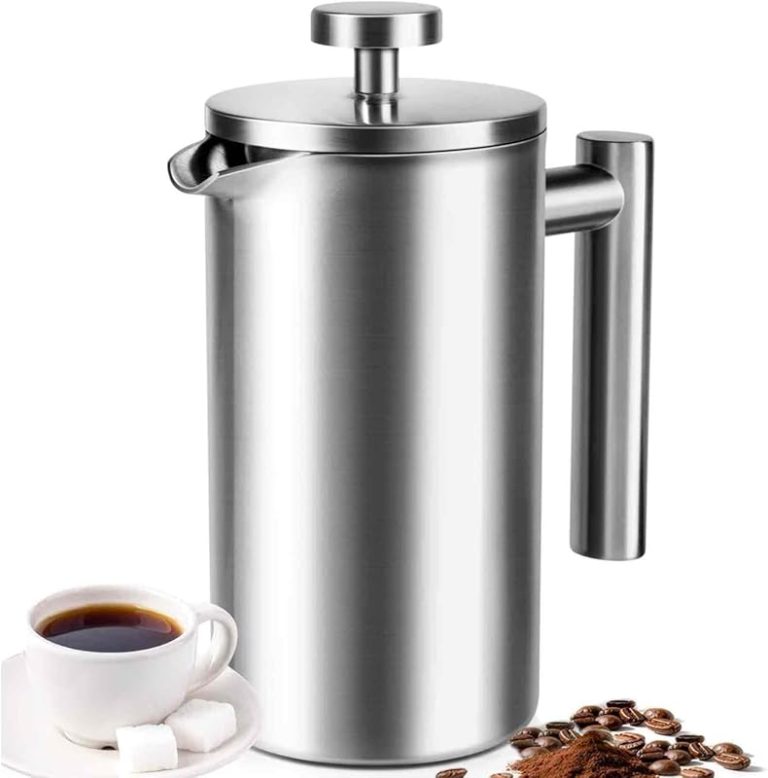
French Press Coffee Maker
A French press is best for drinkers who want bold flavor, simple brewing, and a fuller body. The main trade-off is more sediment and more cleaning than some other methods.
Common French Press Mistakes That Hurt Flavor
Most bad French press coffee comes from small mistakes. The good news is that these are easy to fix.
Using the wrong grind
A grind that is too fine can clog the filter and make the brew cloudy. It can also make pressing harder.
A grind that is too coarse can taste weak and thin. The sweet spot is usually a coarse, even grind.
The coffee tastes muddy or hard to press.
Use a coarser grind and check that the grounds are even.
Brewing too long or too hot
Long steep times can pull out bitter notes. Water that is too hot can do the same.
That does not mean you need exact lab-level control. It just means you should avoid extremes.
Use caution with boiling water and hot glass or steel parts. Follow the manual for your model.
Skipping the plunge or pouring too fast
Press the plunger down slowly and steadily. A hard push can stir up fine grounds.
After pressing, pour the coffee right away. Letting it sit in the press can make it taste more bitter.
- Press slowly and pour soon after brewing
- Rinse the filter after each use
- Forcing the plunger down fast
- Leaving coffee in the press too long
In short, the best French press coffee comes from gentle, steady brewing.
Cleaning, Maintenance, and Safety Tips for Daily Use
French press care is simple, but it matters. Clean parts help the coffee taste better and help the brewer last longer.
How to clean the press after each brew
Discard the grounds, rinse the parts, and wash with warm soapy water.
Check the mesh, plunger, and seals for buildup or wear.
Do not let grounds dry inside the press if you can avoid it. Dry coffee residue can be harder to remove later.
How to keep filters, glass, and seals in good shape
Rinse the mesh filter well so oils do not build up. If your press has a gasket or seal, check the manual for care steps.
Glass carafes can chip or crack if handled roughly. Stainless steel models may resist breakage better, but they still need care.
Stop using any press with cracks, loose parts, or damaged seals. Replace worn parts as the maker recommends.
Safe handling with hot water and fragile parts
Always handle hot water with care. Set the press on a stable surface before you pour.
If the brewer is glass, avoid sudden temperature changes. Follow the product manual for safe use and care.
In short, simple cleaning and careful handling can make daily French press use much easier.
Final Verdict: Is French Press the Best Coffee Maker for Flavor Lovers?
For many flavor lovers, yes, the French press can be the best coffee maker. It gives you a rich, bold cup with very little gear.
It is especially good if you like body, warmth, and a more full coffee feel. It is less ideal if you want a clean, bright, sediment-free cup.
Transparent recommendation and best-use cases
Choose a French press if you want simple brewing and strong flavor. It is a smart pick for black coffee drinkers and anyone who enjoys a heavier cup.
It also makes sense if you want a low-fuss brewer for home use. The method is easy to learn and easy to repeat.
French press is one of the best choices for bold, full coffee, but not the best for every taste. Pick it for richness and simplicity, or choose pour over or drip if you want a cleaner cup.
When to choose a different brewer instead
Choose pour over if you want more clarity and less sediment. Choose drip if you want convenience and easy batch brewing.
Choose AeroPress if you want flexibility and a cleaner cup in a compact brewer. Choose espresso if you want intense shots and have the right gear.
For Red Kitchen Project readers, the short answer is this. French press does make excellent coffee, and for flavor lovers, it may be the best choice.
Frequently Asked Questions
A coarse grind usually works best. Fine grounds can slip through the mesh and make the cup muddy.
Many home brewers use water just off the boil, but exact results vary by bean and setup. Avoid very hot water that can make the coffee taste harsh.
A moderate steep time usually gives the best balance. If you steep too long, the cup can turn bitter.
Use a coarser grind and press slowly. Pour soon after brewing so fine grounds do not keep extracting.
Discard the grounds, rinse the parts, and wash with warm soapy water. Check the mesh, plunger, and seals often for buildup or wear.
French press often tastes richer and fuller than drip or pour over. Drip and pour over usually give a cleaner cup with less sediment.