Can Cold Brew Coffee Make You Sick What You Need to Know

Yes, cold brew coffee can make you sick if it is too strong, stale, or poorly stored. Clean gear, safe storage, and smaller servings lower the risk a lot.
Yes, cold brew coffee can make you sick, but the cause is usually easy to fix. Most problems come from too much caffeine, poor storage, dirty gear, or a sensitive stomach.
Cold brew is not the same as iced coffee. It often uses a long steep time, so mistakes in strength and storage can matter more.
- Caffeine matters: Big servings can cause nausea, jitters, and a fast heartbeat.
- Storage matters: Keep cold brew sealed and chilled, then toss bad batches.
- Cleaning matters: Wash the maker after every batch to cut spoilage risk.
- Stomach sensitivity matters: Reflux and add-ins can make cold brew feel harsher.
Can Cold Brew Coffee Make You Sick? The Short Answer
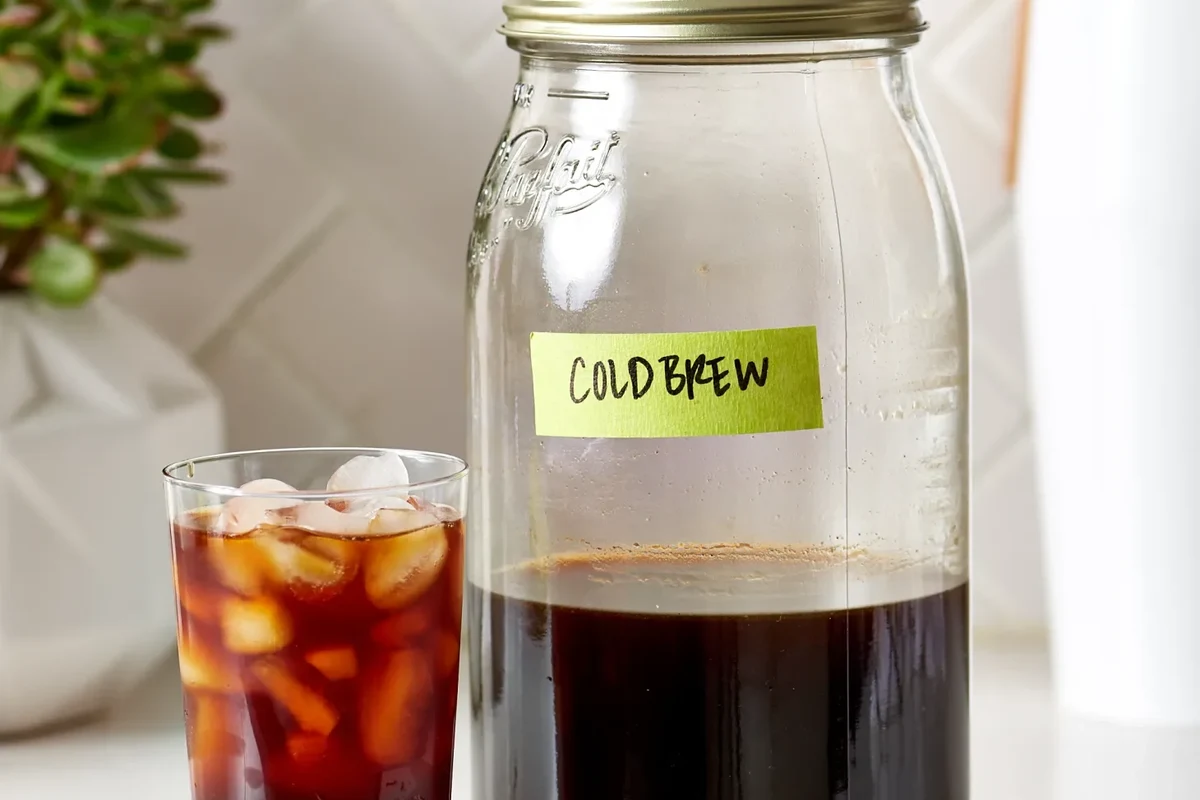
Cold brew can upset your stomach, raise jitters, or cause nausea if you drink too much or let it sit too long. It can also cause trouble if the coffee maker, pitcher, or filter stays dirty.
For most healthy adults, freshly made cold brew that has been handled well is safe to drink. The main risk comes from how it is made, stored, and served.
When cold brew is safe to drink
Cold brew is usually safe when you use clean tools, safe water, and fresh coffee. It also helps to chill it soon after brewing and keep it cold.
If the drink smells normal, tastes fresh, and has been stored the right way, it is often fine. Still, follow the maker manual and any food safety advice from your local health agency.
When cold brew can cause stomach trouble
Cold brew can bother you if it is too strong, too acidic for your body, or full of add-ins like sweet cream. Some people also react to caffeine more than they expect.
If you feel shaky, sick to your stomach, or get a racing heart, stop drinking it. If symptoms are severe or keep coming back, talk to a health professional.
How Cold Brew Coffee Works and Why It Differs From Hot Coffee
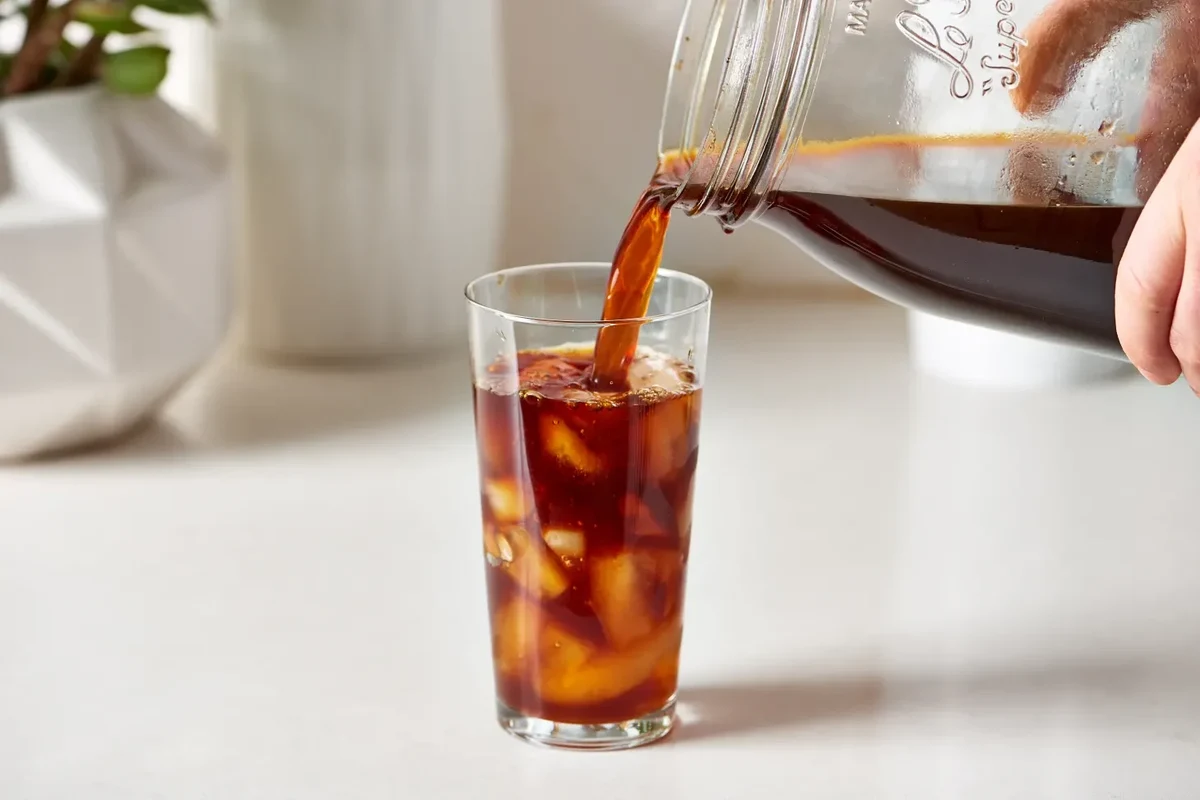
Cold brew uses cool or room-temperature water and a long steep. Hot coffee uses heat and a shorter brew time.
That difference changes the taste, the strength, and sometimes how your body reacts.
Brewing time, water temp, and caffeine strength
Cold brew usually steeps for many hours. The exact time depends on the recipe and the brewer.
Because it sits longer, it can pull out a lot of caffeine. The final strength also depends on the coffee-to-water ratio and whether you drink it as concentrate.
Why the taste feels smoother but can still hit hard
Cold brew often tastes smoother because it can have less sharp acid. That does not mean it is weak.
A smooth drink can still carry a strong caffeine load. That is why some people feel fine at first, then get hit with nausea or jitters later.
Cold brew concentrate is often meant to be diluted before drinking. Skipping that step can make each cup much stronger.
Common Reasons Cold Brew Can Make You Feel Sick
Most bad cold brew experiences come from a few simple causes. The good news is that each one has a clear fix.
Too much caffeine in one serving
This is one of the biggest reasons people feel sick after cold brew. A large glass can contain far more caffeine than expected.
Too much caffeine can cause nausea, shakiness, a fast pulse, headache, or trouble sleeping. If you are caffeine-sensitive, start with a small serving and see how you feel.
Old coffee, bad storage, or contamination
Cold brew can spoil or pick up off flavors if it sits too long in the fridge. Dirty jars, strainers, and scoops can also add germs or mold.
It may smell sour, taste flat, or look cloudy in a bad way. When in doubt, throw it out. That is safer than trying to save a questionable batch.
Stomach sensitivity, acid issues, and added ingredients
Some people handle cold brew well, but still feel sick after cream, syrups, or sugar alcohols. Others react to coffee itself, even when it is cold brewed.
If you have reflux, gastritis, or a sensitive stomach, cold brew may still bother you. The smoother taste does not always mean a smoother effect on your gut.
Do not drink coffee that smells spoiled, shows mold, or sat too long at room temperature. When food safety is unclear, the safest choice is to discard it.
How to Make Cold Brew Safer at Home
You can lower the risk a lot with a few simple habits. Clean gear, fresh coffee, and smart storage matter more than fancy tools.
Clean gear, fresh beans, and safe water
Wash the brewer, filter, jar, lid, and scoop before each batch. Use fresh beans and clean water.
If your tap water is safe to drink, it usually works fine. If not, use filtered or bottled water that meets local safety rules.
Best steep times, ratios, and serving sizes
Follow a trusted recipe or the brewer manual. The right ratio depends on whether you want a ready-to-drink brew or a concentrate.
Start with a smaller serving if you are new to cold brew. That makes it easier to judge caffeine strength and stomach comfort.
- Label the brew date so you know when it was made.
- Dilute concentrate before drinking unless the recipe says otherwise.
- Test a small cup before pouring a full glass.
How to store concentrate the right way
Store cold brew in a clean, sealed container in the fridge. Keep it away from warm spots and strong odors.
Use a clean spoon or pour spout each time. Do not drink from the storage jar if you plan to keep the batch longer.
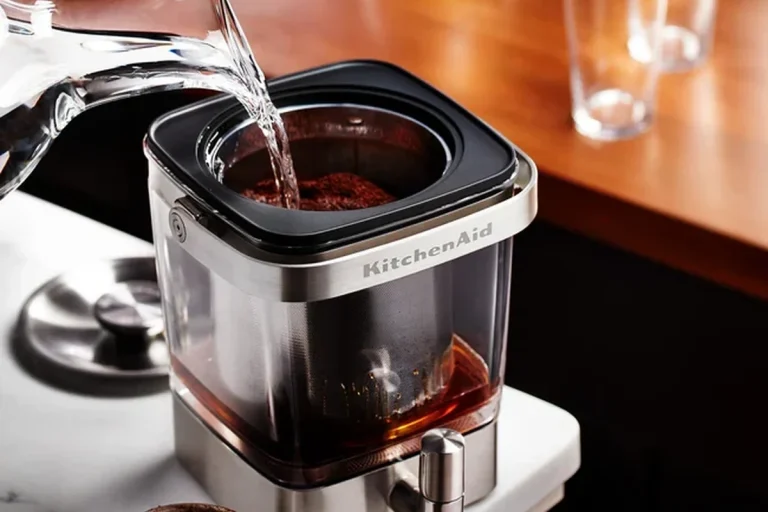
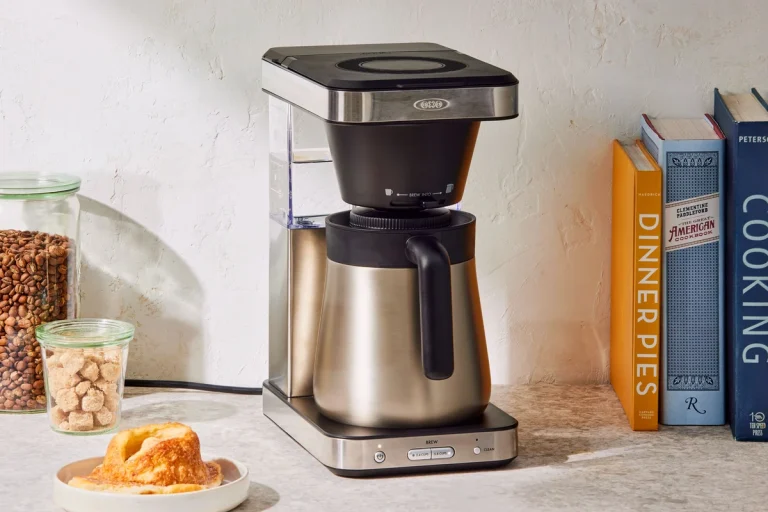
What to Look For in a Cold Brew Coffee Maker
The right brewer can make safe storage and cleaning much easier. It can also help you avoid weak, gritty, or overstrong coffee.
Materials, filter quality, and ease of cleaning
Look for food-safe materials and a fine filter that keeps grounds out of the cup. A brewer that comes apart easily is often simpler to keep clean.
That matters because leftover oils and grounds can spoil the taste fast. Easy cleaning is not a luxury here. It is part of safe use.
Batch size, storage, and leak control
Choose a size that fits your household. A huge batch sounds convenient, but it can sit too long if you do not drink coffee often.
A tight lid and a stable pitcher or jar help prevent spills in the fridge. If a maker leaks, it can create a mess and waste a batch.
Value for money and daily use
The best value is not always the cheapest brewer. A better filter, easier cleaning, and a tighter lid can save time and waste.
For daily use, simple designs often win. They are easier to rinse, dry, and store between batches.
- Capacity and counter or fridge space
- Filter quality and cleaning ease
- Lid seal and leak control
- Manual, warranty, and safety notes
Cleaning and Maintenance Tips to Prevent Spoilage
A dirty brewer can ruin good beans fast. It can also raise the chance of off flavors and spoilage.
How often to wash the maker
Wash the brewer after every batch. Do not let old grounds sit in the filter or jar overnight.
Some parts may need a deeper clean now and then. Check the manual for parts that are dishwasher safe or need hand washing.
Signs your cold brew setup needs a deep clean
Watch for cloudy film, sour smells, slime, or stains that do not rinse away. Those are signs that oils or residue have built up.
If the coffee starts tasting stale even with fresh beans, the brewer may need a deeper wash. A soft brush and mild soap often help.
Rinse parts, wash with soap, and dry fully before storing.
Check seals, screens, and corners for buildup or wear.
Simple habits that help keep coffee fresh
Grind beans close to brew time if possible. Store beans in a sealed container away from heat and light.
Keep the fridge cold and do not leave brewed coffee out for long. Small habits like these make a big difference.
Stop using any brewer with cracked parts, mold growth, or a damaged seal until it is cleaned or replaced.
When to Stop Drinking Cold Brew and What to Try Instead
If cold brew keeps making you feel bad, stop and look at the cause. You may need less caffeine, a smaller serving, or a different coffee style.
Warning signs you should not ignore
Stop drinking it if you get strong nausea, vomiting, chest pain, a racing heart, or severe stomach pain. Those signs need attention.
If you think the coffee spoiled, do not keep testing it. Toss it and clean the brewer well before making another batch.
Lower-caffeine and gentler coffee options
You can try half-caf, decaf, or a smaller pour of diluted cold brew. Some people also do better with lighter servings and less sweetener.
Tea, chicory drinks, or warm coffee with a lower dose may also feel easier on the stomach. The right choice depends on your body, not just your taste.
Final verdict on who should drink cold brew with care
Cold brew can be a great choice for many coffee drinkers. But people with caffeine sensitivity, reflux, or stomach trouble should go slow.
If you make it at home, keep it clean, store it cold, and watch the strength. That is the best way to enjoy cold brew without feeling sick.
- Cold brew can make you sick if it is too strong or poorly stored.
- Clean tools and cold storage help lower the risk.
- Small servings are smart if you are caffeine-sensitive.
- Throw out any batch that smells off or looks spoiled.
Cold brew is usually safe when you brew it cleanly and store it cold. If you want the safest experience, choose a simple maker, keep batches small, and watch your caffeine dose.
Frequently Asked Questions
Yes. Old cold brew can taste off and may spoil if stored too long or in a dirty container. If it smells sour, looks strange, or tastes wrong, throw it out.
It varies a lot by recipe, ratio, and serving size. Concentrate can be much stronger than ready-to-drink cold brew, so start with a small cup if you are unsure.
A coarse grind is usually best because it helps reduce grit and over-extraction. Some brewers may work better with a slightly different grind, so check the manual or recipe.
Use a smaller serving, dilute the concentrate, and skip heavy cream or sweet add-ins. If coffee still bothers your stomach, try decaf or a lower-caffeine option.
Clean it after every batch. Deep clean it whenever you notice buildup, cloudy film, or stale smells, and follow the product manual for care steps.
Stop if you get strong nausea, vomiting, chest pain, a racing heart, or severe stomach pain. Also stop if the coffee seems spoiled or the brewer is damaged.