French Press Coffee Brewing Techniques for Better Flavor

French press coffee tastes best when you use a medium-coarse grind, hot but not boiling water, and a short steep. Clean the press well and pour right after pressing to keep the cup smooth.
French press coffee brewing techniques can make a big difference in taste, body, and cleanup. The short version is simple. Use the right grind, the right water temp, and a steady steep time. That alone can turn a muddy cup into a richer, cleaner one.
- Grind matters most: Medium-coarse coffee usually gives the cleanest French press cup.
- Heat control helps: Hot water just off the boil avoids harsh or weak flavor.
- Timing changes taste: Press and pour soon after steeping to limit bitterness.
- Cleanup affects flavor: Old oils and trapped grounds can make coffee taste stale.
What French Press Coffee Brewing Techniques Actually Do
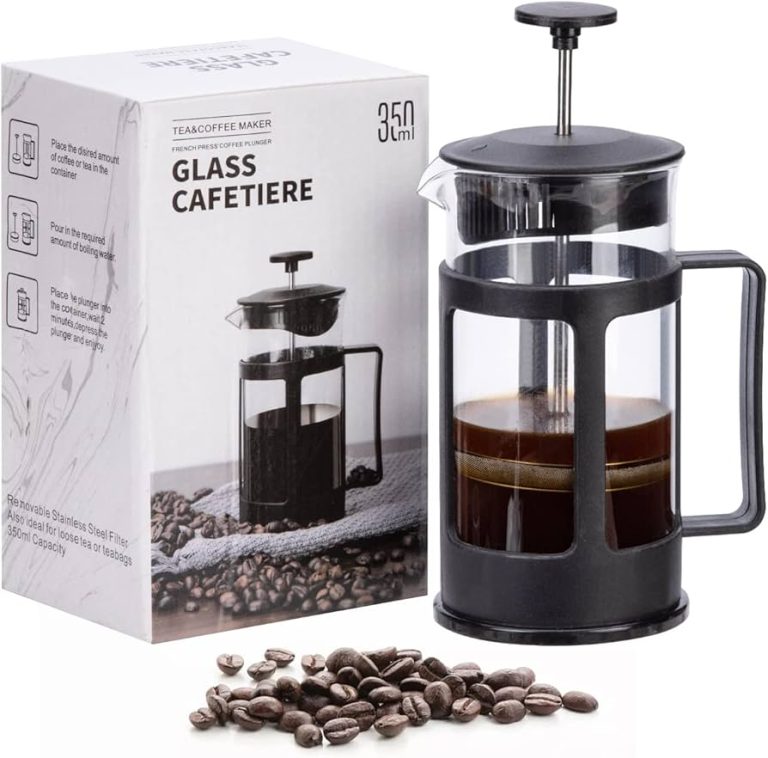
French press brewing works by soaking coffee grounds in hot water, then separating them with a metal mesh filter. Because the coffee stays in contact with the water, the brew pulls out more oils and more texture than drip coffee.
That fuller body is a big reason people love this method. It can taste bold, smooth, and a little more round than paper-filter coffee.
Why this brew style tastes fuller than drip coffee
A French press does not use a paper filter. That means more natural coffee oils stay in the cup. Those oils add weight and a richer mouthfeel.
It also lets fine particles pass through the mesh. A few of those particles can add depth. Too many can make the cup taste gritty or bitter.
In short: French press coffee feels fuller because the brew keeps more oil and fine solids.
The basic steps behind a better cup
The method is easy, but the details matter. Small changes in grind, water, and steep time can change flavor a lot.
- Grind coffee medium-coarse for smoother flow.
- Use water that is hot, but not boiling.
- Steep for a steady, short window.
- Press gently and pour right away.
Those steps help you avoid harsh taste and heavy sludge. In short: the process is simple, but control matters.
For cleaner flavor, grind fresh coffee right before brewing when you can.
Choosing the Right French Press for Better Flavor
The brewer itself affects taste more than many shoppers expect. Material, lid fit, filter quality, and size all play a role. The best pick depends on how you brew and how much cleanup you want.
Glass, stainless steel, or plastic: which works best
Glass is popular because it lets you see the brew. It also does not hold old smells as easily. The trade-off is fragility.
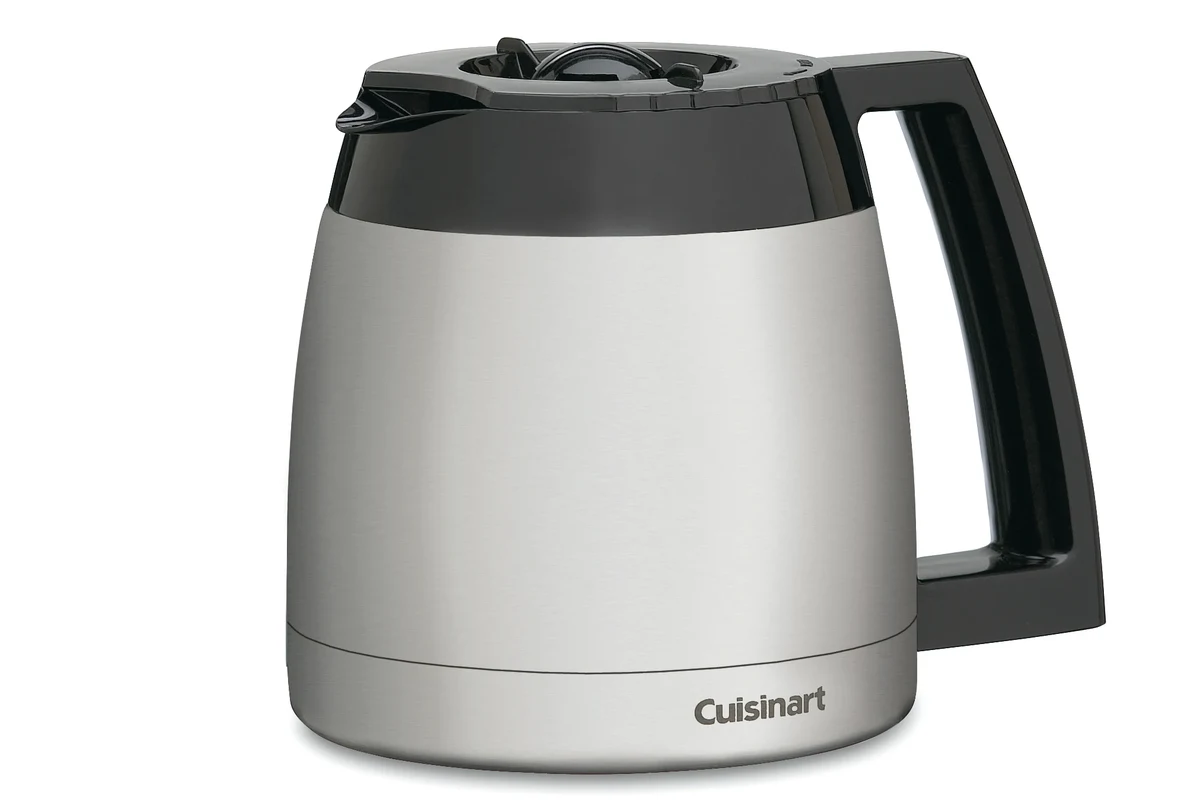
Stainless steel usually keeps heat better. That can help the brew stay warm longer. It also tends to feel sturdier for daily use.
Plastic models are often light and simple. They can work well, but quality varies a lot by model. Check for heat-safe materials and a solid fit.
In short: glass suits flavor purists, steel suits heat retention, and plastic suits light use.
Key specs that affect taste, heat, and cleanup
Not every spec on a box matters for flavor. A few do.
- Mesh filter quality affects grit in the cup.
- Lid fit helps hold heat during steeping.
- Carafe shape can make pouring easier.
- Easy-disassemble parts simplify cleanup.
Look for a press that feels stable and easy to rinse. If the plunger sticks or the lid leaks, brewing gets harder.
How press size changes brew results
Size matters because brew ratios work best when you keep them steady. A press that is too large for a small batch can make measuring awkward.
Smaller presses suit one or two cups. Larger presses help when you brew for more than one person. Just remember that batch size can affect heat loss and steep consistency.
Capacity labels can vary by brand. Check the actual water volume before you buy.
Best French Press Coffee Brewing Techniques for 2026
The best techniques in 2026 are still the classic ones. What has changed is the focus on control. Coffee drinkers now care more about clean flavor, not just strength.
Water temperature and why it matters
Water that is too hot can burn the grounds and make coffee taste sharp. Water that is too cool can leave the cup weak and flat.
A good target is hot water just off the boil. If you do not use a thermometer, let boiling water rest briefly before pouring. The exact wait time depends on your kettle, room temp, and batch size.
Boiling water can scorch coffee and raise the risk of splashes. Pour carefully and keep the press on a stable surface.
Grind size for clean flavor and less sludge
Grind size is one of the biggest taste factors in French press brewing. A medium-coarse grind usually works best. It helps water move through the grounds without dragging out too many bitter compounds.
Too fine, and the cup can taste muddy. Too coarse, and the brew may taste weak or thin.
Think of it like sand, not powder. That simple rule solves a lot of problems.
Coffee-to-water ratio for strong or balanced cups
Ratio controls strength more than most people realize. If the cup tastes too strong, use less coffee next time. If it tastes thin, use more.
Many home brewers like a balanced middle ground. From there, you can adjust based on roast level and taste preference.
Steep time and when to press
Steep time shapes both strength and bitterness. A shorter steep gives a lighter cup. A longer steep can add body, but it may also bring more bitterness.
Press when the brew reaches the taste you want, not when the clock just says so. Different beans and roast levels can need small changes.
In short: steep long enough for flavor, but not so long that the cup turns harsh.
Stirring, blooming, and other small moves that help
Small steps can improve consistency. A brief stir helps wet all the grounds. It also reduces dry pockets at the top.
Some coffee drinkers like a short bloom, which means adding a little water first and letting the grounds expand. That can help fresh coffee release gas more evenly.
- Stir gently so you do not break the brew bed.
- Press slowly to avoid pushing grit into the cup.
- Pour soon after pressing to limit overextraction.
Step-by-Step French Press Brewing Method
This method keeps the process simple and repeatable. It also helps you spot where flavor changes happen.
How to prep the press before brewing
Start with a clean press. Rinse the carafe with hot water if you want to warm it first. That can help the brew stay hot a little longer.
Make sure the mesh filter and plunger move smoothly. If they feel rough, clean them before brewing.
How to add coffee, water, and time the steep
Use a medium-coarse grind and place it in the empty press.
Wet all the grounds evenly and fill to your target amount.
Give it one gentle stir, then let it sit for the chosen time.
Keep the lid on while it steeps. That helps hold heat and keeps the brew more even.
How to press and pour without overextracting
Press slowly and with steady pressure. Do not force it. A fast push can stir up fine grounds and make the cup taste rough.
Once you press, pour right away. Coffee left in the press keeps extracting. That can make the last cup taste more bitter than the first.
French press coffee keeps brewing after you press it, unless you pour it out.
Common French Press Mistakes That Hurt Flavor
Most bad French press coffee comes from a few easy-to-fix issues. The good news is that none of them require fancy gear.
Using water that is too hot or too cool
Water that is too hot can pull harsh flavors from the grounds. Water that is too cool can leave the brew flat.
If your coffee tastes burnt, lower the water heat a bit. If it tastes weak, try hotter water next time.
Grinding too fine or too coarse
Fine grinds often lead to sludge and bitterness. Coarse grinds can make the cup taste thin.
If your coffee feels gritty, go a little coarser. If it tastes watery, go slightly finer.
Letting coffee sit too long after pressing
This is a common mistake. Once the grounds stay in contact with water, the flavor keeps changing.
Over time, the cup can turn bitter. Pour as soon as you finish pressing.
Why poor cleanup can change taste
Old coffee oils stick to the mesh and carafe. Those oils can turn stale and affect the next brew.
If your coffee starts tasting dull or sour, the press may need a deeper clean. This is especially true if you use it every day.
The coffee tastes bitter, muddy, or stale.
Check grind size, shorten steep time, and clean the filter more often.
Cleaning and Maintenance for Better Long-Term Results
Clean gear makes better coffee. That sounds obvious, but many French press problems come from leftover oils and trapped grounds.
Daily cleaning steps that prevent oil buildup
After each brew, empty the grounds and rinse the press well. Wash the carafe, plunger, and lid with warm water and mild soap.
Dry the parts fully before reassembling. Moisture trapped in the filter can cause odors.
Rinse out grounds, wash with mild soap, and dry all parts.
Check the mesh for trapped fines and sticky oil buildup.
Do a deeper clean if you brew often or notice stale taste.
Deep cleaning the mesh filter and plunger
The mesh filter needs more than a quick rinse. Grounds can lodge in the screen and around the rim.
Take the filter apart only as the manual allows. Soak the washable parts in warm, soapy water. Then rinse them well so no soap stays behind.
Do not force stuck parts apart. Follow the manual and stop using damaged equipment.
When parts wear out and need replacing
Mesh screens can bend, loosen, or wear thin over time. Springs and seals can also lose their fit.
If the plunger no longer presses smoothly or grounds leak through too much, replacement parts may help. Check the maker’s manual for compatible parts before you buy anything.
Is French Press Brewing Worth It for You
French press brewing is worth it if you want bold flavor, simple gear, and low cost to get started. It gives you a lot of control without needing electricity or special settings.
Who will love this method most
This method works well for people who like rich coffee and do not mind a little cleanup. It also suits home brewers who want a hands-on routine.
It can be a great fit for small kitchens, travel setups, or anyone who wants a quiet morning brew.
Where the method falls short
French press coffee is not the cleanest cup style. If you want a very clear, crisp brew, you may prefer paper-filter drip coffee.
It also takes more attention than a push-button machine. You need to watch grind size, steep time, and cleanup.
Final recommendation for flavor, ease, and value
For most people, French press brewing offers excellent flavor for very little gear. It is one of the easiest ways to make coffee taste fuller at home.
If you want the best results, focus on three things first. Use a medium-coarse grind, hot but not boiling water, and prompt pouring after pressing. That simple trio does most of the work.
- French press makes fuller coffee because it keeps oils in the cup.
- Grind size, water temp, and steep time drive most flavor changes.
- Clean the mesh well so old oils do not spoil the next brew.
- Press slowly and pour right away to avoid bitter overextraction.
French press coffee brewing techniques are worth learning if you want rich flavor and simple gear. It is best for people who enjoy a fuller cup and do not mind a bit of cleanup. If you want the cleanest, clearest brew, a paper-filter method may suit you better.
Frequently Asked Questions
A medium-coarse grind usually works best. It helps keep the cup smooth and reduces sludge.
Use hot water just off the boil. If the water is too hot, the coffee can taste harsh.
Steep time depends on taste, but a steady short window works best for most cups. Press and pour as soon as the flavor feels right.
Bitterness often comes from water that is too hot, grind that is too fine, or steeping too long. A cleaner press can also help.
Rinse and wash the press after each use, then dry all parts well. Clean the mesh filter more deeply when oils or grounds build up.
Yes, the material can affect heat retention and cleanup. Glass, stainless steel, and plastic each have trade-offs, so choose based on your needs.