How Coffee Mugs Became a Symbol of Comfort at Home

Coffee mugs became a symbol of comfort because they turn a simple drink into a calming routine. The best comfort mug feels good to hold, keeps heat well, and cleans up easily.
Coffee mugs became a symbol of comfort because they fit daily life so well. They hold warmth, mark small routines, and feel personal in a way many cups do not. In home spaces, a good mug can feel like a tiny signal that it’s time to slow down.
- Comfort starts with feel: Warmth, weight, and grip shape the mug experience.
- Routine adds meaning: Repeated use turns a mug into a daily comfort cue.
- Material matters: Ceramic, stoneware, porcelain, and steel each feel different.
- Buy for use, not looks: Size, handle shape, and cleanup matter most.
What Makes Coffee Mugs a Symbol of Comfort at Home

People do not just use mugs for drinks. They use them for pauses, habits, and little moments that feel safe and known. That is a big part of why mugs carry so much emotional weight at home.
The simple answer behind the feeling
The feeling starts with warmth. A hot drink in your hands can make a room feel calmer right away. The mug itself also matters because it sits close to the body and stays in your hands longer than a glass or paper cup.
There is also a memory side to it. Many people link a favorite mug with mornings, sick days, late work nights, or quiet weekends. Over time, the mug becomes part of the comfort, not just the drink.
Why mugs connect with daily routines
Mugs show up in repeat moments. Coffee before work. Tea after dinner. Hot cocoa on a rainy day. Those small repeats build a sense of order, and order often feels comforting.
A mug also asks very little from you. It is simple, familiar, and easy to reach for. That low effort makes it easy to fold into everyday life.
How the keyword fits modern home life in 2026
In 2026, home life still leans on small comforts. More people work from home part time, cook more at home, and build routines around the kitchen. A coffee mug fits that rhythm because it supports both function and mood.
It also matches the way people shop now. Many buyers want items that do more than one job. A mug can serve coffee, tea, broth, oatmeal, or even a desk pen holder when needed.
If a mug feels comforting in your hand, you’ll likely use it more often. That matters more than looks alone.
The History of Coffee Mugs and the Rise of Cozy Rituals
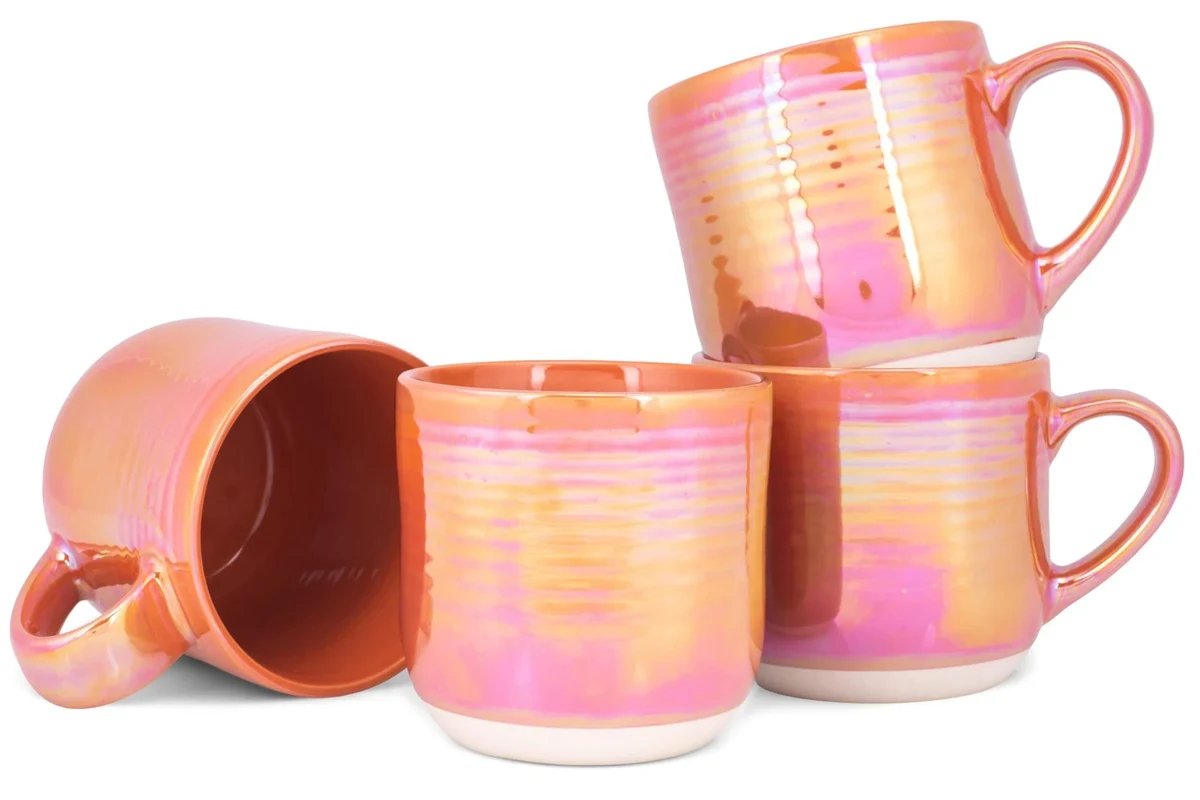
The coffee mug did not start as a lifestyle object. It began as a simple vessel for hot drinks. Over time, home habits, work habits, and design trends turned it into something more personal.
From plain cups to personal favorites
Early drinkware focused on use, not style. As kitchens changed, mugs grew into everyday items with shapes made for hot drinks and easy handling. Once people started choosing their own mugs, the object gained personal meaning.
That shift matters. A plain cup is useful. A favorite mug feels chosen. And chosen items often feel more comforting.
How homes, work, and leisure shaped mug culture
Home kitchens made mugs part of breakfast and evening rest. Offices made them part of desk life. Leisure time turned them into props for reading, TV, and long chats with friends.
Each setting added a layer to mug culture. At home, the mug became linked with rest. At work, it became linked with focus. In both places, it helped mark a pause.
Why comfort became part of the mug story
Comfort grew from use. People noticed that some mugs felt better to hold, kept drinks warm longer, or just matched their mood. The mug became a small comfort item because it worked well and felt familiar.
That is why many people keep a favorite mug even when they own several others. It may not be the fanciest one. But it feels right.
Many people choose a mug by feel first, then by size or style.
How Coffee Mugs Create a Sense of Comfort
Comfort comes from both body and mind. A mug can warm your hands, fit your grip, and remind you of calm routines. That mix is what makes it feel so steady and useful.
Warmth, touch, and the feel of a familiar shape
Warmth is the biggest part. A mug holds heat in a way that feels close and direct. The outside may warm slightly, and that can make the drink feel more present and soothing.
Touch matters too. Smooth ceramic, a sturdy handle, and a rounded lip all add to the experience. When a mug feels familiar, your brain reads it as safe and easy.
Why size, weight, and handle design matter
Size changes how a mug feels in daily use. A small mug may feel cozy and light. A larger mug may feel more useful for long mornings, but it can also feel heavy when full.
Handle design matters more than many shoppers expect. A handle that is too small can feel cramped. A handle that is too thin can dig into your fingers. A well-shaped handle helps the mug feel balanced.
Helps the mug feel secure and easy to lift.
Affects heat feel, durability, and drink warmth.
How color and style affect mood at home
Color can change the mood of a mug fast. Soft tones often feel calm. Bright colors can feel cheerful. Simple shapes can feel clean and quiet.
Style also ties the mug to your home. A rustic mug may feel cozy in a farmhouse kitchen. A plain white mug may feel neat and timeless. The best style is the one that fits your space and your habits.
Key Mug Features That Improve Comfort and Use
Not every mug feels equally comfortable. The best ones balance heat, grip, size, and ease of cleaning. If you want a mug that becomes part of your routine, those details matter.
Best materials for heat, feel, and daily use
Ceramic is the most common comfort choice. It feels solid, looks familiar, and works well for many drinks. Stoneware often feels heavier and more earthy. Porcelain usually feels lighter and smoother.
Glass mugs can look nice, but they may not feel as cozy to some users. Stainless steel is durable, but it can change the feel of a hot drink. Material choice comes down to what you value most.
Material performance can vary by glaze, wall thickness, and maker. Always check the product details before buying.
Important specs to compare before buying
When you shop for a comfort mug, compare the basics first. Look at capacity, weight, handle size, rim shape, and whether it is dishwasher safe. Those details affect daily use more than a cute design does.
If you use a microwave, check that too. Not every mug works well in every microwave. The label or product listing should say what the mug can handle.
- Comfortable grip and balanced weight
- Capacity that fits your usual drink
- Dishwasher and microwave compatibility
- Rim shape that feels pleasant to sip from
Capacity, handle shape, and rim comfort
Capacity should match your habits. If you like a quick cup, a smaller mug may work best. If you sip slowly, a larger mug may be better, though it may cool more slowly at first and feel heavier.
Handle shape and rim comfort are easy to overlook. Yet they affect every sip. A smooth rim and easy grip can turn an ordinary mug into a favorite.
Benefits and Limits of Using Coffee Mugs as Comfort Items
A comfort mug can do more than hold a drink. It can support routines, calm the mind, and make the kitchen feel more personal. Still, mugs have limits, and it helps to know them.
Emotional benefits and daily routine support
Comfort mugs can make mornings feel less rushed. They can also help create a small pause during a stressful day. That pause may not solve the problem, but it can make the moment easier to handle.
Many people also use mugs as part of self-care. A warm drink in a familiar mug can feel like a simple reward. In a busy home, that kind of small ritual has real value.
Practical limits like heat loss and breakage
Mugs are not perfect. Some lose heat quickly. Some chip easily. Some handles feel awkward after long use.
Fragile mugs also need careful handling. If you tend to rush through cleanup or stack dishes tightly, a delicate mug may not suit your home. Comfort should not come at the cost of daily frustration.
Always follow the maker’s care notes for microwave, dishwasher, and heat use. If a mug is cracked or chipped, stop using it for hot drinks.
Who gets the most value from comfort mugs
Comfort mugs work best for people who enjoy routine. They also suit tea drinkers, coffee drinkers, remote workers, and anyone who likes a quiet kitchen moment.
If you care more about fast use than feel, a basic mug may be enough. If you want your cup to feel like part of your day, a comfort mug is worth more attention.
Common Mistakes People Make When Choosing a Comfort Mug
Many shoppers pick a mug based on looks alone. That can work sometimes, but it often leads to regret. Comfort depends on use, not just style.
Picking style over comfort
A pretty mug can still feel awkward. A narrow handle may pinch. A wide rim may drip. A heavy base may feel clumsy.
It is fine to care about style. Just do not let it be the only factor. The best mug should look good and feel easy to use.
Ignoring size, balance, and grip
Size changes the whole experience. A mug that is too large can feel bulky. A mug that is too small may leave you wanting more.
Balance matters too. A mug should feel steady in your hand, even when full. If it tips easily or feels top-heavy, it will not become a true comfort item.
- Hold the mug before you buy, if possible.
- Check if the handle fits two or three fingers.
- Think about your usual drink size first.
Overlooking cleanup and long-term care
Cleanup affects comfort more than people expect. A mug that stains fast or needs special care can become annoying. If it is hard to wash, you may stop reaching for it.
Long-term care matters too. Some finishes scratch easily. Some printed designs fade. A mug that lasts is usually the one you can care for without much effort.
Cleaning, Safety, and Maintenance for Long-Lasting Comfort
A mug stays comforting when it stays clean, safe, and intact. Good care protects both the look and the feel. It also helps the mug last longer in a busy kitchen.
How to clean mugs without damage
Use warm water, mild soap, and a soft sponge for most mugs. This helps protect glaze and printed designs. If a stain lingers, soak the mug before scrubbing.
Avoid harsh scrubbers unless the maker says they are safe. They can scratch the surface and make the mug feel rough over time.
Wash soon after drinking to reduce stains and odors.
Check for chips, cracks, and worn handles.
Safety tips for hot drinks and fragile materials
Hot drinks can burn skin fast. Let very hot liquids cool a bit before sipping. This is especially important for children and older adults.
Also watch for damaged mugs. A small crack can grow with heat changes. If a mug is chipped, cracked, or unstable, replace it.
Follow the mug maker’s heat and cleaning instructions. Stop using any mug that shows cracks, deep chips, or loose parts.
Storage habits that help mugs last longer
Store mugs where they will not knock into each other. Give heavier mugs a stable shelf. Keep delicate mugs away from crowded stacks if you can.
If you hang mugs, make sure the hooks are secure. If you stack them, do so gently. Small storage habits can prevent chips and keep your favorite mug in use.
Final Verdict: How to Choose the Right Coffee Mug for Comfort
The right comfort mug is the one you want to reach for every day. It should feel good in your hand, fit your drink habits, and clean up without trouble. That is the real test.
Best choices for everyday home use
For most homes, a medium ceramic mug is the safest starting point. It usually offers a good mix of warmth, weight, and ease of care. If you drink slowly, choose one that keeps heat well and feels balanced.
If you want a more personal feel, pick a mug with a shape and color that match your routine. Comfort often comes from small details, not big claims.
When to spend more and when to save
Spend more when you need better balance, stronger build quality, or a finish that holds up well. Save money when you just need a simple mug for daily use.
You do not need the most expensive mug to feel comfort. You just need one that fits your hand and your habits.
Red Kitchen Project’s practical recommendation
For comfort at home, choose a mug that feels steady, holds heat well, and cleans easily. That combination gives you the best chance of using it often and enjoying it every time.
In short, the mug becomes a symbol of comfort because it turns a simple drink into a small daily ritual. When the shape, feel, and care all line up, it earns a spot in your regular routine.
Frequently Asked Questions
Coffee mugs feel comforting because they hold warmth, fit daily routines, and often connect to calm moments. A favorite mug can also carry personal memories, which adds to the feeling.
Ceramic is a common comfort choice because it feels solid and familiar. Stoneware, porcelain, glass, and stainless steel each feel different, so the best pick depends on your grip, heat preference, and care needs.
Check capacity, weight, handle shape, rim comfort, and whether the mug is dishwasher or microwave safe. These details affect daily use more than style alone.
Wash it with mild soap and a soft sponge, and check often for chips or cracks. If the mug is damaged, stop using it for hot drinks.
Not always. Larger mugs can hold more drink, but they may feel heavier and cool differently, so the best size depends on your habits.
Choose a mug that matches your routine, hand size, and home style. A mug you naturally reach for often will feel more personal over time.