How to Make Pasta Sauce with Canned Tomatoes Fast and Easy

Canned tomatoes make fast pasta sauce easy, flavorful, and budget-friendly. Simmer them with garlic, oil, salt, and herbs, then taste and adjust before serving.
If you want a fast, tasty red sauce, canned tomatoes are the easiest place to start. They cook down well, give steady flavor, and work with pantry staples you probably already have.
- Best tomatoes: Crushed or whole peeled tomatoes give the best sauce.
- Simple base: Garlic, olive oil, salt, and herbs build strong flavor.
- Cook time: A 20 to 30 minute simmer works for most quick sauces.
- Easy fixes: Pasta water, butter, or sugar can balance texture and taste.
- Safety first: Cool leftovers safely and reheat until steaming hot.
How to Make Pasta Sauce with Canned Tomatoes Fast and Easy
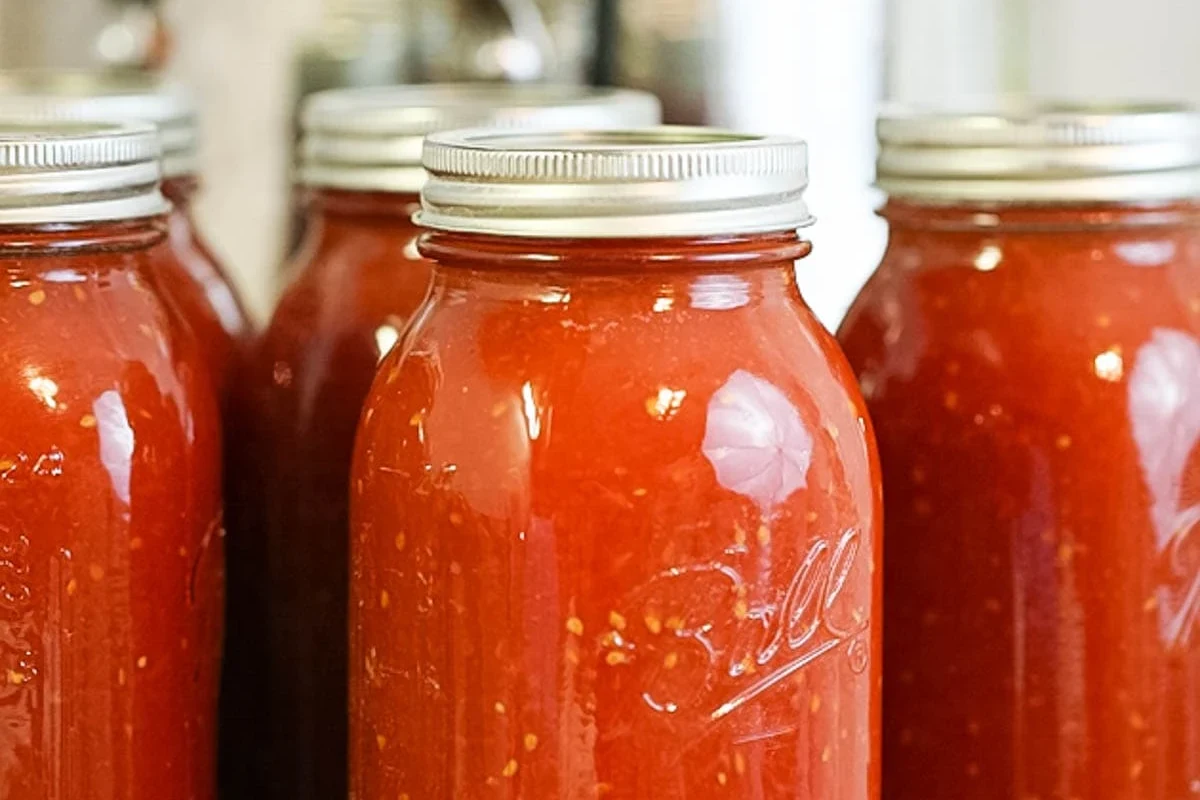
The short answer is simple. Start with good canned tomatoes, cook them with garlic and olive oil, then simmer until the sauce tastes rich and smooth.
You do not need fancy gear or rare ingredients. A pot, a spoon, and a few pantry basics can make a sauce that feels homemade and full of flavor.
In short: canned tomatoes make pasta sauce easy because they bring strong tomato flavor with very little prep.
Why Canned Tomatoes Work So Well for Pasta Sauce
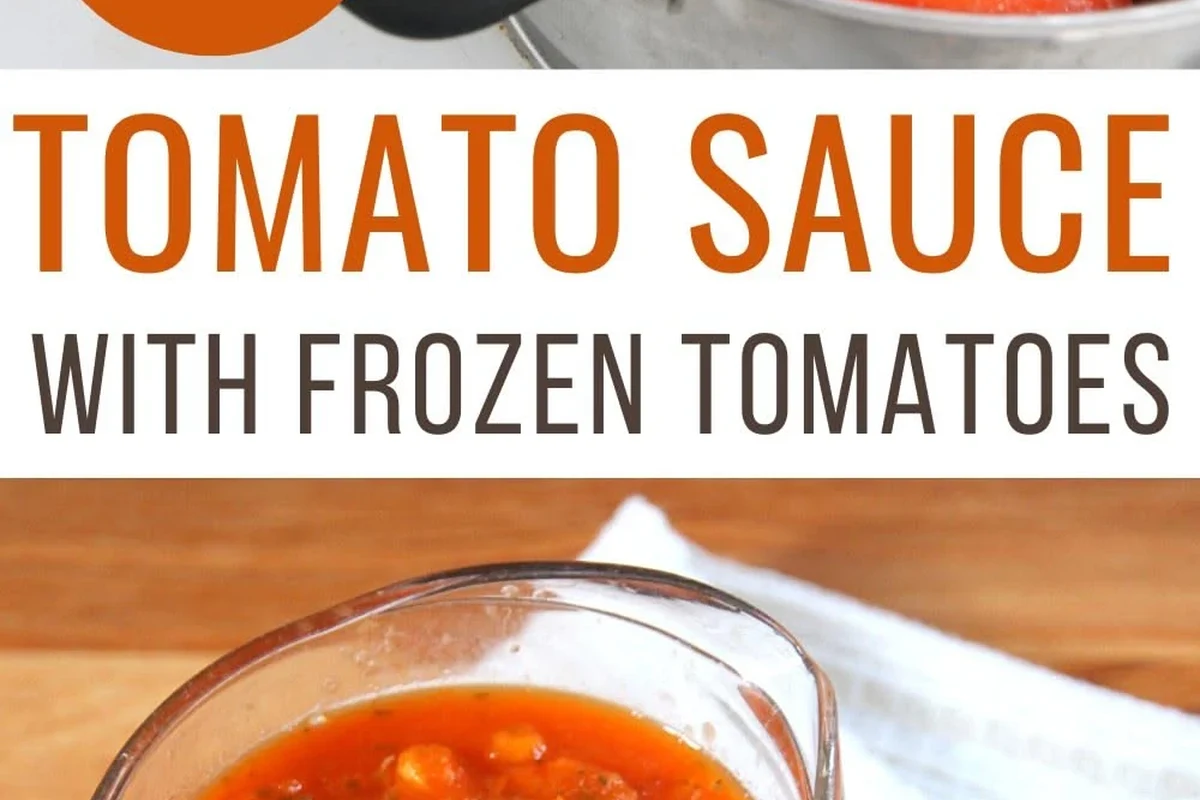
Canned tomatoes are picked and packed at a ripe stage. That means they often taste deeper and more steady than out-of-season fresh tomatoes.
They also save time. You skip peeling, seeding, and long prep, which makes them great for weeknight cooking.
Best canned tomato types for a better sauce
Not all canned tomatoes act the same in sauce. Some give a smooth finish, while others give more texture.
Brand, pack style, and salt level can change the final taste. Check the label if you want low-salt or no-salt tomatoes.
Here are the best picks for most home cooks:
- Crushed tomatoes: Great for a quick, balanced sauce with less blending.
- Whole peeled tomatoes: Best for richer flavor and more control over texture.
- Diced tomatoes: Useful, but often stay chunkier and less smooth.
- Tomato puree: Helps thicken sauce and create a soft, even body.
- Tomato paste: Adds depth when used with other canned tomatoes.
If you want the best all-around result, whole peeled or crushed tomatoes are the safest bet.
In short: whole peeled and crushed tomatoes usually make the best pasta sauce.
How canned tomatoes compare with fresh tomatoes
Fresh tomatoes can make a lovely sauce, but they need more work. You may need to peel them, cook them longer, and fix the flavor more often.
Canned tomatoes give you a head start. They are also easier to use when fresh tomatoes are bland or out of season.
Many cooks prefer canned tomatoes for sauce because the flavor stays more even all year.
Fresh tomatoes can still win for a bright, light sauce in peak season. But for speed and ease, canned tomatoes usually come out ahead.
Simple Ingredients You Need for a Great Tomato Sauce
You do not need a long list. A few strong ingredients can build a sauce that tastes full and balanced.
Core pantry items that build flavor
Start with the basics. These ingredients do most of the work:
- Olive oil: Helps soften garlic and carry flavor.
- Garlic: Adds a warm, savory base.
- Onion: Gives the sauce a gentle sweet note.
- Salt: Brings the tomato flavor forward.
- Black pepper: Adds a little bite.
- Dried oregano or basil: Gives the sauce a classic Italian style.
Use what you have. Even a simple garlic-and-oil base can taste great with good tomatoes.
Optional add-ins for richer taste
If you want more depth, add one or two extras. Small amounts go a long way.
- Tomato paste: Makes the sauce thicker and deeper.
- Butter: Softens sharp tomato edges.
- Red pepper flakes: Add mild heat.
- Sugar or grated carrot: Helps if the sauce tastes too sharp.
- Fresh basil or parsley: Brightens the final dish.
- Parmesan rind: Adds savory depth while simmering.
- Start with less seasoning than you think you need.
- Taste again near the end, after the sauce reduces.
In short: keep the ingredient list simple, then adjust near the end.
Step-by-Step Method for Fast Homemade Pasta Sauce
This method works well for a quick weeknight sauce. It also gives you room to adjust the taste as you go.
How to start the base the right way
Heat olive oil in a pot over medium heat.
Add onion first, if using, and cook until soft.
Stir in garlic for about 30 seconds, just until fragrant.
Pour in the canned tomatoes and break them up if needed.
Keep the heat moderate. Garlic burns fast, and burnt garlic can make the sauce taste bitter.
Hot tomato sauce can splatter as it simmers. Keep the heat low enough to avoid messy spills and burns.
How long to simmer for the best texture
Let the sauce simmer uncovered or partly covered for 20 to 30 minutes. That gives the tomatoes time to soften and the flavor time to deepen.
If you have more time, 45 minutes can make the sauce taste even richer. Still, a shorter simmer works fine for busy nights.
Stir now and then so the sauce does not stick. If it starts to look too thick, add a splash of water.
In short: simmer long enough for the sauce to lose its raw tomato edge.
How to adjust thickness, salt, and sweetness
Once the sauce cooks, taste it carefully. This is where it goes from basic to great.
- Too thin: Simmer longer with the lid off.
- Too thick: Stir in water or pasta water a little at a time.
- Too sharp: Add a small pinch of sugar or a bit of butter.
- Too bland: Add salt, herbs, or a little more garlic.
Pasta water can help the sauce cling to noodles. It also adds a little starch, which can improve body.
Common Mistakes to Avoid When Making Canned Tomato Sauce
Most sauce problems are easy to fix. The trick is knowing what caused them.
Why the sauce can taste flat or too sharp
Flat sauce usually needs salt, fat, or more simmer time. Tomatoes often taste dull until you season them well.
Sharp sauce often needs balance. A little sugar, butter, or onion can smooth the edge without making it sweet.
- Taste after simmering and adjust slowly.
- Use oil, salt, and herbs to build depth.
- Dumping in too much sugar at once.
- Stopping the cook before the sauce has reduced.
If the tomatoes taste very acidic, try a little butter first. It often softens the flavor in a gentle way.
How to fix watery or too thick sauce
Watery sauce usually means it needs more simmer time. Keep the pot uncovered and let extra liquid cook off.
If the sauce gets too thick, add water, broth, or pasta water little by little. Stir well after each splash.
The sauce looks thin and loose.
Simmer longer, uncovered, until it coats a spoon.
The sauce turned pasty or heavy.
Add liquid a spoonful at a time until it loosens.
In short: use time for thin sauce and liquid for thick sauce.
Flavor Variations for Different Pasta Dishes
Once you know the base method, you can steer the sauce in many directions. That makes canned tomatoes useful for more than one meal.
Garlic and herb version
This version is simple and works with almost any pasta shape. It is a good choice when you want a clean, classic taste.
- Add extra garlic near the start.
- Use dried oregano, basil, or Italian seasoning.
- Finish with fresh basil if you have it.
- Top with a little olive oil before serving.
This style pairs well with spaghetti, penne, and baked pasta dishes.
Meaty version
A meat sauce needs a little more time, but it still starts with canned tomatoes. Brown ground beef, turkey, or sausage before adding the tomatoes.
Drain extra fat if needed, then simmer the sauce until the meat taste blends in. This version works well for lasagna, rigatoni, and stuffed pasta.
Cook all meat to a safe internal temperature based on the type of meat used. Follow trusted food safety guidance and your recipe details.
Spicy version
If you like heat, add red pepper flakes with the garlic. You can also stir in a little cayenne or chopped chili.
Keep the heat level modest at first. It is easier to add spice than to take it away.
This sauce works well with sausage pasta, roasted vegetables, or simple spaghetti.
Storage, Reheating, and Food Safety Tips
Good sauce should store well, but only if you cool and pack it safely. That helps protect both flavor and food safety.
How to cool and store sauce safely
Do not put a large pot of very hot sauce straight into the fridge. Let it cool first so the food can chill safely and evenly.
Move the sauce into shallow containers so it cools faster. Then refrigerate it once steam drops and the container is no longer very hot.
Use clean lids and clean spoons. That helps limit contamination and keeps the sauce fresh longer.
How long it lasts in the fridge or freezer
Storage time depends on your fridge, freezer, and how cleanly the sauce was handled. In many homes, sauce keeps well in the fridge for several days and in the freezer for longer.
For the best quality, freeze it in small portions. That makes reheating easier and reduces waste.
When reheating, warm the sauce until it is steaming hot. Stir often so it heats evenly.
If the sauce smells off, looks strange, or shows mold, throw it out. When in doubt, it is safer not to eat it.
Wash the pot, spoon, and cutting tools with hot soapy water.
Check storage containers for cracks, stains, or worn lids.
Final Verdict: The Best Way to Make Pasta Sauce with Canned Tomatoes
The best way to make pasta sauce with canned tomatoes is to start simple, simmer long enough, and taste at the end. That gives you a sauce that feels rich without taking much time.
For most cooks, crushed or whole peeled tomatoes are the best choice. Add garlic, olive oil, salt, and herbs, then adjust with pasta water, butter, or a little sugar if needed.
If you want fast homemade sauce with strong flavor, canned tomatoes are the easiest and most reliable option. Choose whole peeled tomatoes for more control, or crushed tomatoes for the quickest path to a smooth sauce.
In short: canned tomatoes make it easy to get a good pasta sauce any night of the week.
Frequently Asked Questions
Whole peeled and crushed tomatoes usually work best. Whole peeled gives you more control, while crushed makes a faster, smoother sauce.
A 20 to 30 minute simmer is a good starting point. If you want a deeper taste, you can cook it longer.
Try a small pinch of sugar, a little butter, or more onion. Add each one slowly and taste as you go.
Yes, pasta water can help thin the sauce and help it cling to noodles. Add it a little at a time so the sauce does not get too loose.
Cool it first, then move it to clean, shallow containers. Refrigerate or freeze it once it is no longer very hot.
Throw it out if it smells off, looks strange, or shows mold. When in doubt, it is safer not to eat it.