How Much Dry Penne Pasta Per Person Easy Serving Guide

Use 2 ounces of dry penne per person for a main dish. For a side, 1 to 1.5 ounces per person is usually enough.
If you’re wondering how much dry penne pasta per person to cook, a good starting point is 2 ounces, or about 56 grams, for one main-dish serving. For a side dish, you can often use 1 to 1.5 ounces per person, depending on the rest of the meal.
- Main dish rule: Start with 2 ounces of dry penne per adult.
- Side dish rule: Use 1 to 1.5 ounces when pasta is not the focus.
- Best measuring method: Portion dry pasta before boiling to reduce waste.
- Cooked volume: Penne expands a lot, so dry portions look smaller.
- Meal planning: Sauce, sides, and appetite all change the right amount.
How Much Dry Penne Pasta Per Person: The Quick Answer
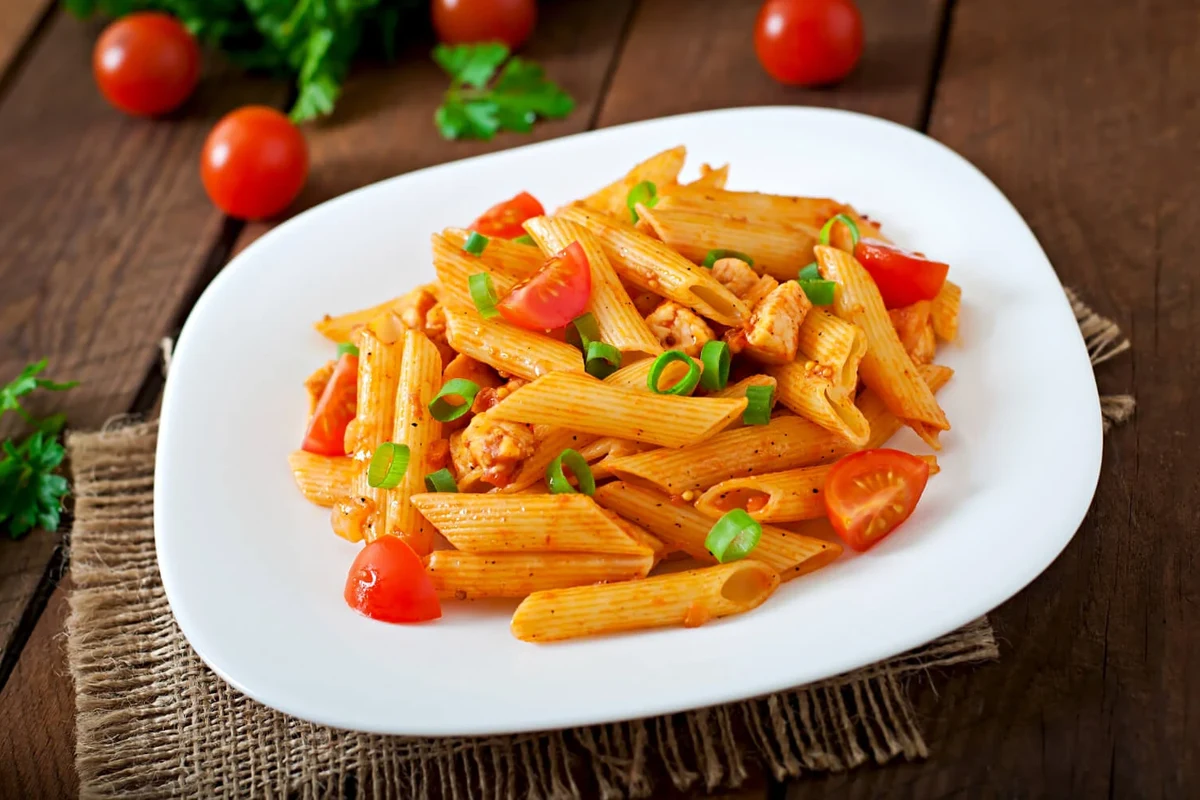
The simple answer is this. Use 2 ounces of dry penne per adult for a main meal. That usually gives you a normal single serving once the pasta cooks.
If penne is only a side, cut that amount down. About 1 ounce to 1.5 ounces per person is often enough when you also serve salad, bread, or protein.
Standard serving sizes for one person
Dry pasta portions can look tiny before cooking. That surprises a lot of home cooks the first time.
Here’s a practical guide:
- Main dish: 2 ounces dry penne per person.
- Light meal: 1.5 ounces dry penne per person.
- Side dish: 1 to 1.5 ounces dry penne per person.
These are useful home-cook estimates, not hard rules. Appetite, age, and the rest of the meal all matter.
When to use more or less pasta
Use more pasta when the meal is simple. A plain tomato sauce or a small amount of vegetables may need a fuller portion.
Use less pasta when the plate already has a lot on it. Heavy sauce, meat, cheese, or bread can make a smaller serving feel filling.
When in doubt, start with 2 ounces per adult for dinner. You can always cook a little extra, but you can’t uncook a big batch.
What Affects the Right Penne Portion
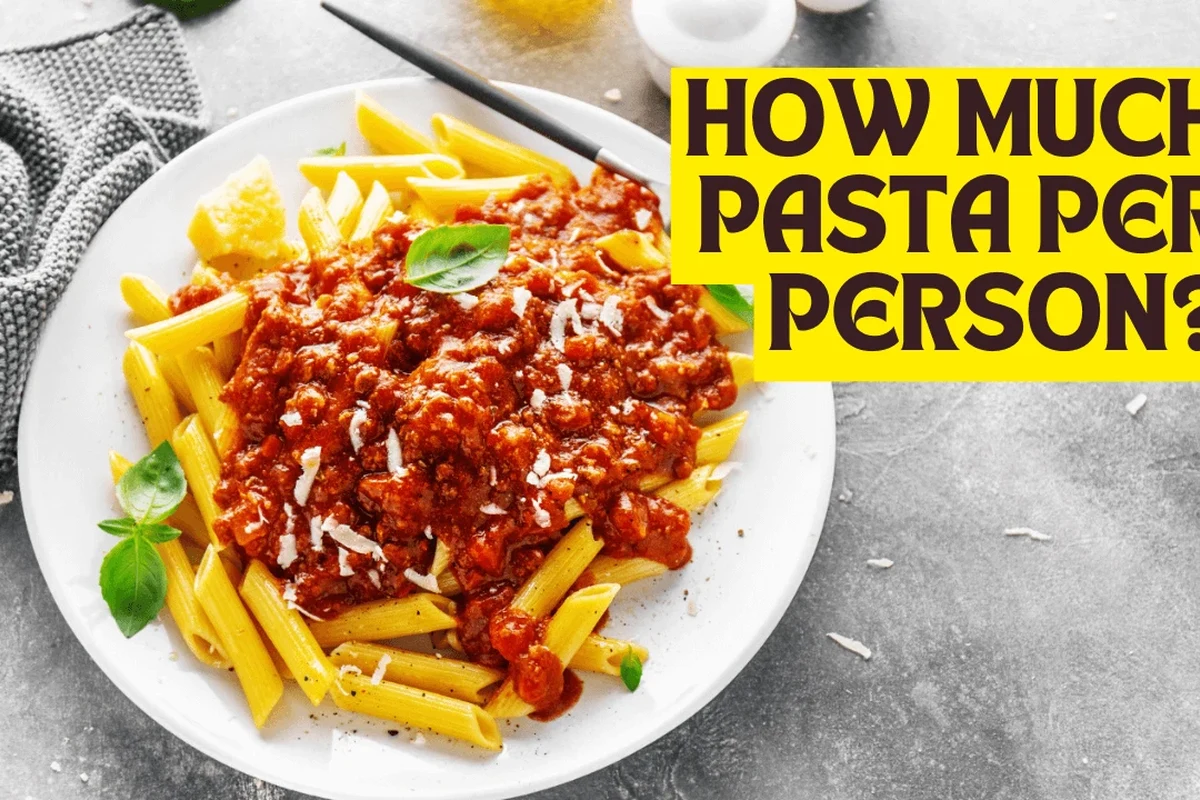
The right amount of dry penne depends on the meal, the people eating, and what else you serve. That’s why one fixed number does not fit every table.
Meal type and hunger level
A quick lunch and a big family dinner need different portions. A hungry teen may need more than a small adult at the same table.
Think about the whole day, too. If pasta is the main event after a light lunch, people may want a larger serving.
Whether the pasta is a main dish or a side
Penne works well as a main dish because its tube shape holds sauce. It also works as a side next to chicken, fish, or vegetables.
As a main dish, aim for the full 2-ounce serving. As a side, a smaller portion usually feels right.
Sauce, protein, and add-ins
Thick sauce can make a serving feel bigger. So can meatballs, sausage, beans, or roasted vegetables.
Thin sauce does the opposite. It may leave pasta feeling plain unless you use a bit more or add more toppings.
Different penne brands can vary a little in shape and weight. The serving rule stays useful, but the final bowl may look different from brand to brand.
How to Measure Dry Penne Without a Scale
You do not need a kitchen scale to portion penne well. A few easy kitchen tricks can get you close enough for everyday cooking.
Using cups, handfuls, and pasta tools
For many cooks, a dry measuring cup is the easiest tool. About 2 ounces of penne is often close to 1 cup, but the exact amount can vary by shape and brand.
You can also use a pasta portion tool if you have one. Some tools have holes for one, two, or four servings.
Handfuls can work in a pinch, but they are less exact. Use them only when you need a rough estimate.
Visual signs for a single serving
A single serving of dry penne should look modest in the pot, not piled high. If you hold a small handful, that is often close to one serving.
After cooking, the bowl should look full enough to satisfy, but not huge. If it seems like a mountain of pasta before cooking, it will likely be too much after.
Easy portion tips for families and meal prep
For family dinners, portion the dry pasta before boiling. That keeps one person from adding too much by accident.
For meal prep, make a little extra only if you know you’ll use it. Leftovers are useful, but too much pasta can turn into waste fast.
- Measure all servings before the water boils.
- Keep a note of your family’s usual pasta amount.
- Use smaller portions when sauce and sides are rich.
Dry Penne to Cooked Penne: What to Expect
Dry penne looks small because it absorbs water as it cooks. That means the cooked bowl will always seem much larger than the dry amount.
How much the pasta expands
Most dry pasta grows a lot during cooking. Penne usually becomes several times larger in volume once it softens.
That’s why a small dry portion can fill a plate. It may look like too little at first, but it usually isn’t.
Dry pasta weighs more than it looks because the shape is dense. Water adds size during cooking, not extra pasta.
Why cooked volume can be misleading
Cooked pasta can trick your eyes. A big bowl may look like a lot, even when the dry amount was reasonable.
That’s why it helps to measure before cooking. Once penne is cooked, it’s harder to tell whether you made the right amount.
Simple rules for planning dinner
Plan 2 ounces dry penne per adult for a main meal. For kids, start smaller and adjust based on age and appetite.
If you want leftovers, add a little more. If you hate waste, stay close to the standard serving and keep the sauce balanced.
Common Serving Mistakes to Avoid
Portion mistakes are easy to make with pasta. The good news is that most of them are simple to fix.
Overcooking and overfilling the pot
Too much pasta in one pot can stick together and cook unevenly. It can also make stirring harder.
Use a large enough pot and enough water. Stir early and often so the penne cooks evenly.
Follow the pasta package directions and your cookware limits. Boiling water can splatter and burn, so use care when stirring and draining.
Guessing portions for large groups
Guessing works fine for one or two people. It gets messy fast when you cook for a crowd.
For groups, measure each serving or use a simple chart. That makes it much easier to avoid running short or cooking too much.
Forgetting sauce balance
Dry pasta is only part of the meal. If the sauce is thin or scarce, the plate may feel dry and bland.
If you use a lot of sauce, the pasta may disappear into it. Try to keep the pasta and sauce in balance from the start.
- Measure pasta before cooking.
- Match the portion to the rest of the meal.
- Stir pasta during boiling.
- Guessing for a big group.
- Stuffing too much pasta into one pot.
- Serving pasta without enough sauce.
Best Ways to Serve Penne for Different Meals
Penne is flexible, which is part of why it’s so popular. The best portion depends on how you serve it.
Weeknight dinners
For weeknight meals, keep things simple. Two ounces per adult is a solid rule for most homes.
If you add a salad or garlic bread, you may not need much more. That keeps dinner filling without making it too heavy.
Lunch prep and leftovers
Pasta often tastes good the next day, but it can dry out. A slightly smaller portion at first may still feel right after reheating.
For lunch prep, portion the pasta into containers right after cooking. Add sauce or a little olive oil so it stays pleasant later.
Family-style pasta meals
Family-style dinners need a little extra planning. People often serve themselves more when the bowl sits in the middle of the table.
Cook a bit more than the exact minimum if you expect second helpings. That said, don’t overdo it unless you want leftovers.
Cost, Waste, and Value Tips for Dry Penne
Portion control is not just about dinner. It also helps you save money and cut waste.
How portion control saves money
Dry pasta is usually a budget-friendly food. Still, waste adds up when you cook too much too often.
Using the right amount helps each box last longer. That matters in busy homes where pasta shows up often.
How to store dry pasta properly
Keep dry penne in a cool, dry place. A sealed container or the original package works well if it stays closed.
Dry pasta lasts a long time when stored well. Just keep it away from moisture, heat, and pests.
When to cook extra and when not to
Cook extra when you know the family will want seconds. It also makes sense when you plan leftovers for lunch.
Skip the extra batch when you already have a full meal. If the plate includes sides, a standard serving is usually enough.
Final Recommendation for Perfect Penne Portions
If you want one rule to remember, use 2 ounces of dry penne per person for a main dish. For a side, use less, usually about 1 to 1.5 ounces.
That simple approach works for most home dinners. It also gives you enough room to adjust for sauce, sides, and appetite.
Simple serving rule to follow every time
Ask one question before you cook. Is penne the main meal or just part of it?
If it’s the main meal, use the full serving. If it’s a side, scale back and let the rest of the plate do the work.
Best practical choice for home cooks
For most kitchens, the best choice is a measured 2-ounce portion per adult. It keeps dinner predictable and helps avoid waste.
When you cook often, that habit becomes second nature. In short, a small dry portion usually turns into the right-sized bowl.
- Use 2 ounces dry penne per person for a main dish.
- Use 1 to 1.5 ounces per person for a side.
- Measure before boiling to avoid waste.
- Adjust for sauce, sides, and appetite.
Frequently Asked Questions
Use about 2 ounces of dry penne per person for a main dish. For a side dish, 1 to 1.5 ounces is often enough.
A dry measuring cup, pasta tool, or small handful can help you get close. For many brands, 2 ounces is about 1 cup, but the exact amount can vary.
Dry pasta expands as it absorbs water during cooking. That is why a small dry portion can become a full bowl after boiling.
For adults, plan about 2 ounces each if penne is the main dish. Add a little more if you want leftovers or expect second helpings.
The most common mistake is guessing too much pasta for the pot. Measuring before cooking helps you avoid waste and keeps sauce balance better.
Store dry penne in a cool, dry place in a sealed container or closed package. Keep it away from moisture, heat, and pests.