How to Make Coffee Taste Better in a Mug Today

Warm the mug, use fresh coffee, and keep the cup clean for the biggest flavor boost. Small changes like the right ratio and a little stirring can make coffee taste much better.
If your coffee tastes flat in a mug, the fix is usually simple. Start with a clean mug, the right ratio, and coffee that stays hot without getting scorched.
- Warm the mug: A hot mug helps coffee stay flavorful longer.
- Clean matters: Oils and residue can make fresh coffee taste stale.
- Fresh coffee wins: Beans, grind, and brew time shape the cup most.
- Adjust gently: Small changes in milk, salt, or sweetener work best.
How to Make Coffee Taste Better in a Mug Today
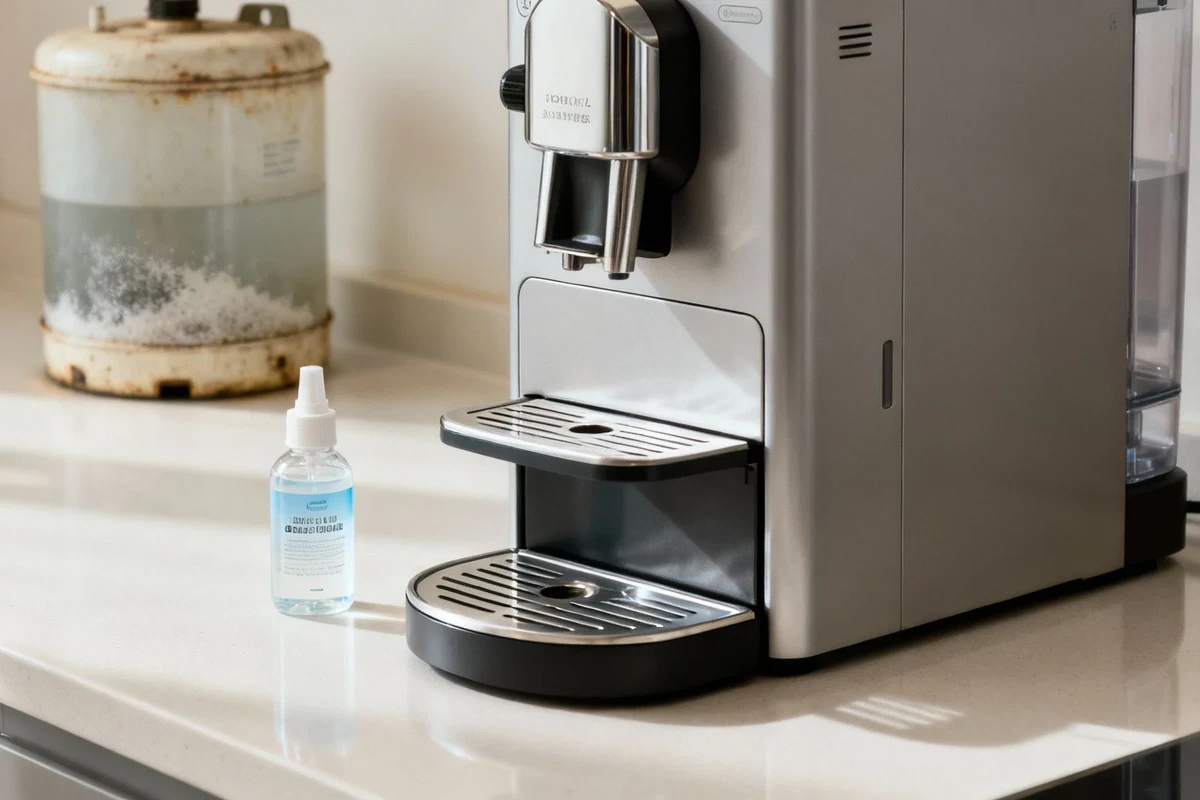
The fastest way to improve mug coffee is to protect flavor at every step. That means using a warm, clean mug, making coffee at the right strength, and avoiding extra heat after brewing.
Small changes help more than most people expect. For example, a cold mug can cool coffee fast, and a stale mug can leave behind a dull taste.
Warm the mug with hot water before you pour in coffee. It helps the drink stay hot longer and taste smoother.
In short: better mug coffee comes from heat, cleanliness, and balance.
Why Mug Choice Changes Coffee Flavor

A mug does more than hold coffee. It affects heat, smell, and how the coffee lands on your tongue.
That is why two cups of the same brew can taste different. The mug can change how fast the coffee cools and how strong the aroma feels.
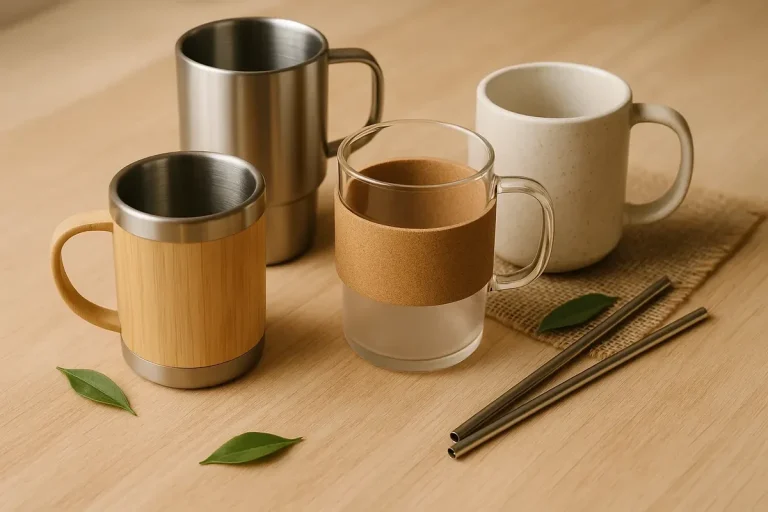
Material matters: ceramic, glass, stainless steel, and paper
Ceramic mugs are the most common choice for home use. They hold heat well and usually do not add taste if they stay clean.
Glass mugs look nice and let you see the drink, but they often lose heat faster. Stainless steel keeps coffee hot the longest, yet it can change the feel of the sip if the cup has a metal rim.
Paper cups work for quick use, but they are not ideal for better flavor. They can soften the aroma and feel less stable in the hand.
Some mugs keep heat better than others, even within the same material. Wall thickness, glaze, and shape can all matter.
How mug shape affects smell, heat, and sip feel
A wide mug lets more aroma escape. That can make coffee smell richer, but it also cools faster.
A narrower mug keeps heat in better. It can also guide the smell toward your nose, which helps the coffee seem fuller.
The rim matters too. A smooth rim gives a cleaner sip, while a thick rim can make the coffee feel heavier.
The Best Ways to Improve Coffee Right in the Mug
You do not need fancy gear to make coffee taste better. Most of the work happens with good brewing habits and a few simple tweaks.
Use the right coffee-to-water ratio
Weak coffee often tastes watery in a mug. Too much coffee can taste bitter and harsh.
If you brew at home, follow the ratio on your coffee maker or coffee bag first. Then adjust a little based on taste.
For a stronger cup, use a bit more coffee next time. For a lighter cup, use a bit less.
Add hot water at the right temperature
Boiling water can make coffee taste sharp or burnt. Water that is very hot, but not raging, usually works better.
If you add hot water to instant coffee or concentrate, let it cool for a moment first. That helps the flavor stay smoother.
Do not use boiling water in thin or cracked mugs. Sudden heat can make weak mugs fail.
Stir well to reduce weak spots and grit
Stirring helps mix the drink evenly. It also breaks up pockets of strong or weak flavor.
This matters most with instant coffee, French press coffee, or any cup with grounds near the bottom. A quick stir can make the last sip taste better too.
Try small add-ins like salt, milk, or sweetener
A tiny pinch of salt can soften bitterness for some people. Use very little, because too much will make the coffee taste odd.
Milk can smooth the cup and reduce sharp edges. Sweetener can help too, but too much will hide the coffee itself.
Salt can block some bitter taste on the tongue. That is why a tiny amount may make coffee seem smoother.
What Makes Coffee Taste Better or Worse
Good mug coffee starts before the mug ever enters the picture. Beans, water, and brew time all shape the final cup.
Fresh beans, grind size, and brew time
Fresh coffee usually tastes brighter and fuller. Old coffee can taste flat, stale, or dull.
Grind size matters because it controls how fast water pulls flavor from the grounds. If the grind is too fine, coffee can taste bitter. If it is too coarse, it can taste weak.
Brew time matters just as much. Too short can leave the cup thin. Too long can pull out harsh notes.
Water quality and temperature control
Water makes up most of the cup, so it has a big effect on taste. Very hard water, very soft water, or water with strong odors can change the flavor.
Filtered water often gives a cleaner result. It does not make coffee perfect, but it can help the brew taste clearer.
Temperature matters too. Coffee brewed too hot can taste burnt. Coffee brewed too cool can taste sour or weak.
Old coffee, dirty mugs, and leftover residue
Old coffee loses aroma fast. Once it sits too long, the flavor can turn flat and bitter.
A dirty mug can leave behind soap film, milk residue, or old coffee oils. That buildup can make fresh coffee taste off.
Even a small stain can affect taste more than people expect. If your coffee keeps tasting strange, the mug may be part of the problem.
Common Mistakes That Ruin Mug Coffee
Many bad cups come from simple habits, not bad beans. The good news is that these mistakes are easy to fix.
Using a cold mug
A cold mug steals heat from the coffee right away. That makes the drink cool too fast and can flatten the aroma.
Rinse the mug with hot water first. Then dump the water and pour in the coffee.
Overheating the coffee
Reheating coffee too much can make it taste burnt. It can also turn the flavor flat and bitter.
If you need to warm it, do it gently. Short heating steps work better than one long blast.
Adding too much sugar or creamer
Too much sugar can hide the coffee flavor. Too much creamer can make the cup heavy and dull.
Start small. Add a little, taste, and stop when the cup feels balanced.
- Use less sweetener than you think you need.
- Try one change at a time so you can taste the difference.
- Keep a clean spoon near your coffee setup.
Cleaning and Caring for Your Coffee Mug
Clean mugs help coffee taste cleaner. That sounds simple, but it makes a real difference over time.
How buildup changes taste over time
Coffee oils cling to mug walls. Milk and sugar can also leave a film if the mug sits too long.
That residue can make new coffee taste stale or sour. It can also hold old smells that mix with the next drink.
Easy cleaning steps for daily use
Wash the mug soon after use with warm water and dish soap. A soft sponge usually works well for daily cleaning.
If the mug has stains, use a baking soda paste or another safe cleaner that suits the material. Check the maker’s care notes first.
Rinse well so no soap stays behind. Then let the mug dry fully before storing it.
Wash with warm soapy water and rinse well.
Check for stains, odors, chips, or cracks.
Best Mug Features for Better Coffee Value
If you want a mug that improves coffee every day, focus on a few useful features. Comfort, heat hold, and size matter most.
Heat retention, comfort, and size
A mug that holds heat well keeps coffee enjoyable longer. That matters if you sip slowly or work at a desk.
A comfortable handle also matters. If the mug feels awkward, you may grip it too tightly and enjoy the drink less.
Size should match your usual coffee amount. Too large, and the drink cools too fast. Too small, and it may overflow.
When a premium mug is worth the cost
A better mug can be worth it if you drink coffee every day. It may offer better heat control, a nicer rim, or easier cleaning.
Still, a premium mug will not fix bad coffee by itself. Fresh coffee and clean habits matter more than a fancy cup.
Final Recommendation: The Simple Way to Better Coffee in Any Mug
If you want better coffee in a mug today, start with the basics. Warm the mug, use fresh coffee, stir well, and keep the cup clean.
After that, adjust the ratio and add-ins until the flavor fits your taste. A good mug helps, but good habits do most of the work.
The best everyday choice is a clean ceramic mug with good heat hold and a comfortable shape. If you want the simplest upgrade, focus on mug warmth, coffee freshness, and careful cleaning before you buy anything new.
Frequently Asked Questions
Mug material, shape, and cleanliness can all change flavor. A cold or dirty mug can cool coffee fast and leave behind off tastes.
Ceramic is a strong all-around choice for most home use. Glass, stainless steel, and paper can each change heat hold and sip feel in different ways.
Warm the mug, stir the coffee well, and use the right ratio. You can also try a small amount of milk, sweetener, or salt.
Yes, very hot water can make coffee taste burnt, while cooler water can make it taste weak or sour. Let water cool slightly before mixing if needed.
Wash it after each use with warm water and dish soap. Clean buildup often so old oils and residue do not change the taste.
Using a cold or dirty mug is one of the fastest ways to hurt flavor. Old coffee, too much sugar, and overheating can also make the cup taste worse.