Guide to Recycling Coffee Mugs for Easy Eco Choices

Most coffee mugs do not belong in curbside recycling. Reuse, donation, or a local drop-off center is usually the best choice.
Most coffee mugs can’t go straight into curbside recycling. The right choice depends on the mug’s material, condition, and your local rules. In many homes, the best path is reuse, donation, or a drop-off program instead of the blue bin.
- Material matters: Ceramic, glass, steel, and plastic follow different rules.
- Curbside is limited: Most mugs need reuse or special drop-off recycling.
- Clean first: Wash mugs and remove loose parts before action.
- Check local rules: City and county guides decide the final answer.
What Recycling Coffee Mugs Really Means

When people ask about recycling coffee mugs, they often mean one of three things. They may want to recycle the mug itself, reuse it, or keep it out of the trash in a better way.
That matters because mugs are not all made from the same stuff. Ceramic, glass, stainless steel, and plastic each follow different rules.
In short: the material decides the next step.
Can Coffee Mugs Go in Curbside Recycling?
Usually, no. Most curbside programs do not take ceramic mugs, drinking glasses, or travel mugs with mixed parts.
Glass and ceramic may look close, but they are not handled the same way in recycling systems. A mug that seems “glass-like” can still ruin a load if it is the wrong type.
Travel mugs are often even harder. They may include metal, plastic, rubber, and insulation in one item.
Do not guess based on appearance alone. If your local recycling guide does not list the mug type, keep it out of curbside bins.
Why Material Type Changes the Answer
Recycling centers sort items by how they melt, break, or process. Ceramic does not melt like bottle glass, so it can cause problems in glass recycling.
Metal and plastic travel mugs also need special handling. Mixed materials often need parts removed before any recycling step can work.
Some mugs can be reused many times, which often saves more waste than recycling. That is why the best answer is not always the same.
How to Sort Ceramic, Glass, and Travel Mugs

A simple sort helps you avoid mistakes. First, check what the mug is made of. Then look for cracks, chips, coatings, or mixed parts.
How to Sort Mugs the Right Way
Use the mug’s material and condition to choose the safest, cleanest option.
Ceramic Mugs and Broken Mug Rules
Ceramic mugs are common, but they are rarely accepted in curbside recycling. Most recycling systems cannot process them with bottles and jars.
If a ceramic mug is still whole, donation or reuse is often the best move. If it is broken, wrap it well before disposal.
Broken ceramic can be sharp. Put small pieces in a safe container or thick paper before throwing them away.
Some ceramic pieces can be reused as plant markers, drainage chips, or craft items.
Glass Mugs and Heat-Resistant Glass
Glass mugs are tricky because not all glass belongs in the same recycling stream. Heat-resistant glass can have a different makeup than bottle glass.
That means your local program may reject it even if it looks clean and clear. A quick check with your waste center is worth the time.
If the mug is intact and useful, reuse or donation may be easier than recycling. If it is broken, handle it carefully and follow local disposal rules.
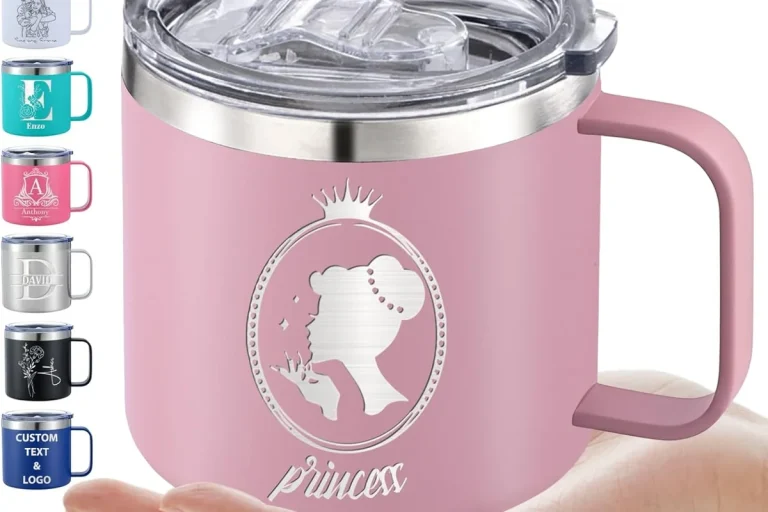
Stainless Steel and Plastic Travel Mugs
Stainless steel travel mugs may be recyclable, but not usually through curbside pickup. They often need a scrap metal or drop-off program.
Plastic travel mugs are more likely to be accepted only if the plastic type is listed and clean. Even then, lids, sleeves, and seals may need separate handling.
Many travel mugs mix several materials. That makes them less likely to fit a simple recycling bin.
Brand design matters here. A mug that looks recyclable may still have a liner, coating, or seal that changes the answer.
Best Recycling and Reuse Options for Old Coffee Mugs
For many households, reuse comes first. Recycling is useful, but it is not always the easiest or cleanest option.
Think in this order: donate, reuse, upcycle, then recycle if a program accepts the mug.
Donation, Reuse, and Upcycling Ideas
If the mug is clean and uncracked, donation can give it a second life. Thrift stores, shelters, offices, and community groups may welcome usable mugs.
At home, old mugs can work as pen cups, plant pots, tea bag holders, or small tool bins. That is a simple way to stretch the mug’s life.
When to Choose Drop-Off Recycling Centers
Choose a drop-off center when curbside rules do not accept the mug. This is common for stainless steel, specialty glass, and mixed-material travel mugs.
Drop-off rules vary by town and by center. Some want parts removed first. Others only take certain metals or certain glass types.
In short: drop-off works best when you know exactly what the center accepts.
How to Check Labels, Symbols, and Local Rules
Labels can help, but they do not replace local rules. A recycling code or brand mark gives clues, not a final answer.
Recycling Codes and Brand Markings
Look for material marks on the mug, lid, or base. Plastic codes may help identify the lid or outer shell.
Still, a code alone does not guarantee curbside recycling. The shape, coating, and mixed parts also matter.
Brand markings can help you find the maker’s care page or product guide. That can be useful if the mug has a special liner or finish.
Local Waste Center Rules You Should Confirm
Your city or county waste site is the best source for final rules. If the site is unclear, call the waste center before tossing the mug.
Ask about whole mugs, broken mugs, lids, and metal parts. Also ask whether you need to separate materials first.
Some areas accept items that others reject. That is why local checks matter so much.
- Check the mug material
- Remove lids, sleeves, and metal parts
- Confirm local drop-off or curbside rules
- Clean the mug well
Common Mistakes That Stop Coffee Mugs from Being Recycled
Small mistakes can send a mug straight to the trash. They can also contaminate other recyclables.
Mixing Materials and Dirty Surfaces
Mixed materials are one of the biggest problems. A ceramic cup with a metal lid is not the same as a plain ceramic mug.
Dirty mugs can also cause trouble. Food residue, grease, and drink stains can make recycling less useful.
Wash the mug before donation or drop-off. Clean items are easier for workers to sort.
Putting the Wrong Mug in the Wrong Bin
Do not place ceramic mugs in glass-only bins unless your local program says so. Do not place travel mugs in curbside bins without checking first.
One wrong item can create sorting issues for the whole load. That is why “when in doubt, leave it out” is a smart rule.
- Check the local guide before recycling
- Separate removable parts when possible
- Choose reuse if the mug still works
- Guessing based on the mug’s look
- Putting broken ceramic in glass recycling
- Leaving food or drink residue inside
Safe Cleaning and Prep Before Recycling or Donating
A little prep makes the mug easier to handle. It also improves the chance it will be accepted.
How to Remove Stains, Lids, and Metal Parts
Wash the mug with soap and warm water. If there is a lid, sleeve, or metal insert, remove it if the design allows.
Check for sticky labels or rubber rings. These may need to come off before drop-off recycling.
Do not force parts apart if the mug seems sealed or fragile. If you cannot remove a piece safely, ask the recycling center first.
- Use a soft sponge to avoid extra chips
- Dry the mug fully before donation
- Bag broken pieces before disposal
When Broken Mugs Need Extra Care
Broken mugs can cut hands and scratch bins. Wrap the pieces in paper, cardboard, or thick cloth.
Keep sharp shards away from loose trash and from donation bags. If the mug broke near a handle or rim, check for hidden edges.
Follow the appliance manual and stop using damaged equipment.
Cost, Effort, and Environmental Value of Each Option
Each path has trade-offs. Donation takes a little effort. Recycling may take a trip. Disposal is easy, but it creates more waste.
Which Choice Saves the Most Time and Waste
If the mug still works, reuse is often the fastest and cleanest choice. Donation is a close second when you have several good mugs.
Recycling helps when the mug cannot be used again and your local center accepts it. Trash should be the last choice.
For many homes, the best balance is simple. Keep useful mugs in use as long as possible.
Best Option for Most Households in 2026
In 2026, the best option for most households is still reuse first, then donation, then local drop-off recycling. That path cuts waste and avoids common sorting problems.
If the mug is broken, dirty, or made from mixed materials, check local disposal rules before you act. That small step can prevent a recycling mistake.
- Most coffee mugs do not belong in curbside recycling
- Material type and local rules decide the right path
- Reuse and donation often beat recycling for usable mugs
- Clean, separate, and check before you toss or drop off
Final Recommendation for Easy Eco Choices
The easiest eco choice is usually the one that keeps a mug in use. If the mug still works, donate it, reuse it, or upcycle it at home.
If it cannot be used again, check local rules and use a drop-off program when needed. That gives you a safer, cleaner result than guessing at the curb.
Simple Next Steps for Readers
Start by sorting your mugs by material. Then wash them, remove loose parts, and check your local recycling guide.
If you are still unsure, choose reuse or donation when the mug is in good shape. That is often the easiest and most responsible answer.
For most homes, the best answer is reuse first, donation second, and recycling only when local rules clearly accept the mug. If the mug is broken or mixed with other materials, handle it with care and confirm the right drop-off or disposal method.
Frequently Asked Questions
Usually, no. Most curbside programs do not accept ceramic mugs, travel mugs, or mixed-material cups.
Wrap the pieces well and follow local disposal rules. Do not place broken ceramic in glass recycling unless your local guide says it is allowed.
Sometimes, but often not through curbside pickup. Many need a scrap metal or drop-off program, and lids or seals may need separate handling.
Yes. Wash out food and drink residue first, and remove loose parts when possible.
Check your city or county waste guide first. If the rules are unclear, call the recycling center and ask about the exact mug type.
Reuse is often best, then donation, then recycling through the right local program. Trash should be the last choice.