Is Carbe Diem Pasta Healthy A Clear Nutrition Guide

Carbe Diem pasta can be a healthy choice if you want more fiber and fewer carbs than regular pasta. It works best as part of a balanced meal with sensible portions and lighter toppings.
Yes, Carbe Diem pasta can fit a healthy diet for many people. It is often a better choice than standard pasta when you want more fiber and fewer carbs, but the full answer depends on the label, your portions, and what you serve with it.
- Main answer: Yes, it can fit a healthy diet for many people.
- Best benefit: It may offer more fiber and fewer digestible carbs.
- Biggest limit: Sauce and portion size can erase the advantage.
- Label check: Review serving size, carbs, fiber, sodium, and allergens.
Is Carbe Diem Pasta Healthy? The Short Answer
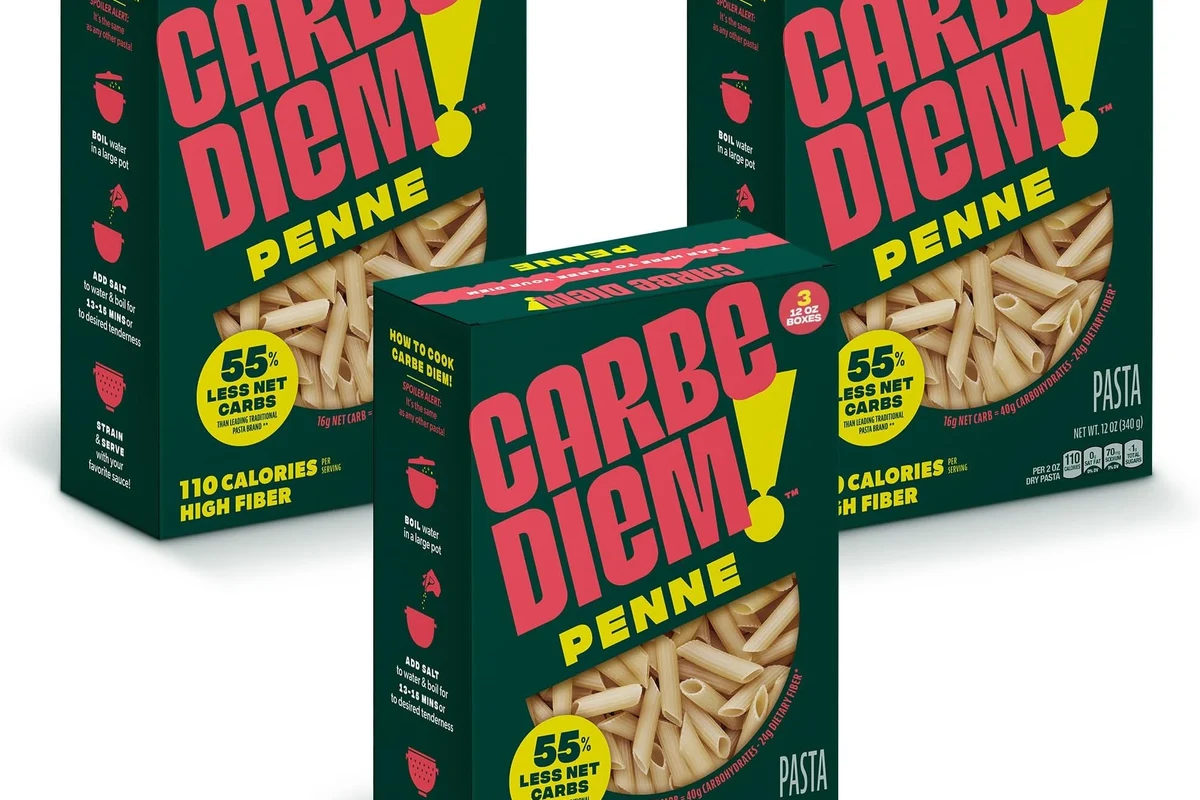
Carbe Diem pasta is best seen as a smarter pasta option, not a magic health food. It may help some people eat fewer digestible carbs while still enjoying a pasta meal.
That said, “healthy” depends on your goals. If you want more fiber, better blood sugar support, or easier portion control, it can be a useful swap.
If you pile on creamy sauce, cheese, and giant portions, the health edge gets smaller fast. In short, the pasta matters, but the whole bowl matters more.
What Carbe Diem Pasta Is Made Of
Carbe Diem pasta is designed to be lower in net carbs than regular pasta. Exact ingredients can vary by product, so the label is the best place to start.
Main ingredients and nutrition basics
Many lower-carb pastas use a mix of wheat, fiber sources, and protein-rich ingredients. Some also use resistant starch or added fibers to change the nutrition profile.
That usually means more fiber and fewer digestible carbs than classic durum wheat pasta. Still, the exact numbers can change by shape and recipe.
Always check the package panel. Different pasta shapes and product lines can have different nutrition facts.
How it differs from regular pasta
Regular pasta is mostly refined or enriched wheat flour. It tends to be higher in total carbs and lower in fiber.
Carbe Diem pasta aims to give you a similar meal feel with a better nutrition balance. In practice, that often means a smaller blood sugar hit and more staying power after the meal.
Fiber slows digestion. That can help a pasta meal feel more filling for longer.
How Carbe Diem Pasta Fits Into a Healthy Diet
This pasta works best when you use it as part of a balanced plate. Think protein, vegetables, and a sauce that fits your goals.
Best use cases for weight control
If you are watching calories, a lower-carb pasta can help you feel satisfied with less total starch. That may make it easier to build a filling meal without going overboard.
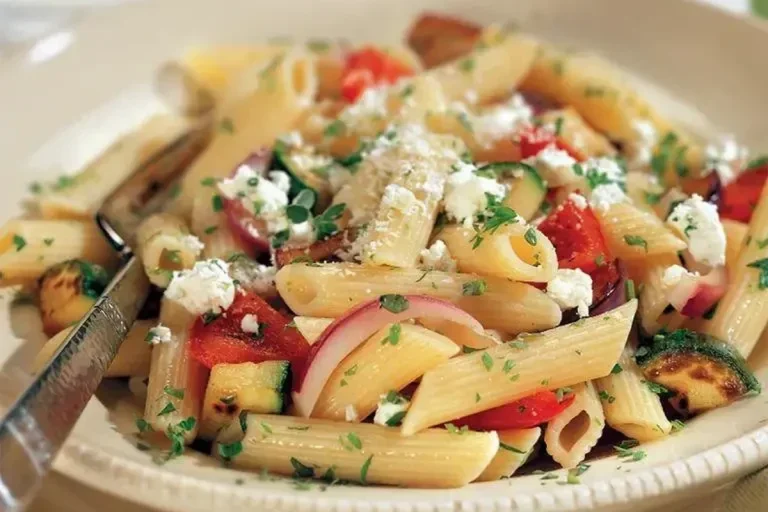
It helps most when you pair it with lean protein and plenty of vegetables. For example, chicken, tomato sauce, and roasted zucchini make a much lighter bowl than sausage and heavy cream.
Best use cases for blood sugar support
Many people look for lower-carb pasta to help reduce sharp blood sugar spikes. Carbe Diem pasta may fit that goal better than standard pasta because it usually has more fiber and fewer digestible carbs.
Still, no pasta is the same for everyone. Your response can depend on the rest of the meal, your serving size, and your personal health needs.
If you manage diabetes or another medical condition, use the nutrition label and your care plan. Ask a qualified health professional if you need personal advice.
Benefits You Can Expect
Carbe Diem pasta has a few real strengths. The biggest ones are better fullness and a lower carb load than standard pasta.
Higher fiber and fuller meals
Higher-fiber pasta can help meals feel more satisfying. That matters if you often get hungry soon after dinner.
Fiber also supports better meal balance. It slows digestion and can help you avoid the quick crash that comes from a very refined carb-heavy meal.
- More filling than many regular pasta options
- Lower digestible carb load per serving
- Easy to use in familiar pasta recipes
Lower carb count than standard pasta
This is the main reason many shoppers try it. Lower carbs can be useful if you follow a lower-carb eating style or just want a lighter pasta night.
It can also help you build a meal with more room for vegetables and protein. That often leads to a better overall plate.
Limits and Things to Watch
Even a better pasta still has limits. You should look closely at the label and think about your own needs.
What to check on the label
Check serving size first. Pasta labels can look better or worse depending on how a serving is defined.
Then look at total carbs, fiber, protein, and sodium. If you care about ingredients, check for allergens too.
- Serving size and servings per container
- Total carbs, fiber, protein, and sodium
- Allergens and ingredient list
- Cooking directions and texture notes
Who should be careful with this pasta
People with gluten needs should be careful, since some pasta products still use wheat. If you have celiac disease or gluten sensitivity, verify the package carefully.
Anyone with digestive issues should also go slow. Added fiber can bother some stomachs, especially if you eat a large portion.
Common Mistakes People Make With Carbe Diem Pasta
People often expect lower-carb pasta to fix the whole meal. It doesn’t work that way.
Using it like a free pass to overeat
It’s easy to think, “This pasta is healthier, so I can eat more.” That can cancel out the benefit fast.
Healthy eating still depends on total calories, balance, and portion size. A giant bowl is still a giant bowl.
Poor sauce and portion choices
Heavy sauce can turn a smart pasta choice into a rich, dense meal. Alfredo, lots of oil, and extra cheese can add up fast.
Try to keep the sauce simple and the portion reasonable. A lighter tomato sauce often works well.
- Use measured portions
- Add vegetables and lean protein
- Choose sauces with less added fat
- Treating it like unlimited food
- Drowning it in cream sauce
- Ignoring the full nutrition label
How to Cook and Serve It for the Best Results
Lower-carb pastas can behave a little differently from regular pasta. Follow the package directions closely for the best texture.
Simple prep tips and texture notes
Use a large pot of salted water and stir early. That helps prevent sticking.
Start checking the pasta a little before the end of the cook time. Some lower-carb pastas get soft if you leave them too long.
- Drain the pasta as soon as it reaches good bite texture.
- Toss it with sauce right away to keep it from clumping.
- Save a little pasta water if the sauce needs loosening.
Healthy topping ideas and meal pairings
Good toppings make the biggest difference. Try grilled chicken, turkey meatballs, shrimp, beans, spinach, mushrooms, or broccoli.
For sauce, tomato-based options usually keep the meal lighter. Pesto can work too, but use a modest amount.
Cook in plenty of water and stir early to prevent sticking.
Taste near the end so you catch the best texture before it softens.
Add protein, vegetables, and a lighter sauce for a more balanced meal.
Final Verdict: Is Carbe Diem Pasta Worth Buying in 2026?
For many shoppers, yes. Carbe Diem pasta looks like a solid choice if you want a pasta meal with more fiber and fewer carbs than standard pasta.
It’s not a health food by itself, though. It works best when you treat it as one part of a balanced meal.
Who it is best for
This pasta is a good fit if you want better portion control, more fiber, or a lower-carb dinner option. It may also appeal to people who want a more blood sugar friendly pasta swap.
If you love pasta but want a lighter everyday option, it’s worth a look.
Who may want a different option
If you need gluten-free pasta, check the label carefully before buying. If you have a sensitive stomach, you may prefer a simpler ingredient list.
And if you only want the cheapest pasta on the shelf, a standard pasta may still make more sense.
Carbe Diem pasta can be a healthy choice when you want more fiber and fewer carbs, but the full meal still matters most. It’s best for people who want a better pasta swap, while others may prefer a simpler or gluten-free option.
Frequently Asked Questions
It can be, especially if you want more fiber and fewer digestible carbs. The full meal still matters, so sauce and portions count too.
It may help some people feel fuller with fewer carbs. It works best when you pair it with lean protein and vegetables.
It may fit better than regular pasta for some people because it often has more fiber and fewer digestible carbs. Results vary, so check the label and follow your care plan.
Look at serving size, total carbs, fiber, protein, sodium, and allergens. Also review the ingredient list if you have gluten or digestive concerns.
Follow the package directions closely and taste it near the end of cooking. Lower-carb pastas can turn soft if they cook too long.
People with gluten needs, digestive issues, or medical nutrition goals should check the label carefully. If you need personal advice, ask a qualified health professional.