Is Whole Wheat Pasta Healthy for Diabetics Find Out

Yes, whole wheat pasta can be a good choice for many people with diabetes. It still has carbs, so portion size and toppings matter a lot.
Yes, whole wheat pasta can be a better choice for many people with diabetes. It usually has more fiber than white pasta, so it may raise blood sugar more slowly. But portion size, sauce, and what you eat with it still matter a lot.
- More fiber: Whole wheat pasta usually digests more slowly than white pasta.
- Portion matters: A large serving can still raise blood sugar fast.
- Build the plate: Add protein and vegetables for better balance.
- Read labels: Check ingredients, carbs, and fiber before buying.
Is Whole Wheat Pasta Healthy for Diabetics? The Short Answer
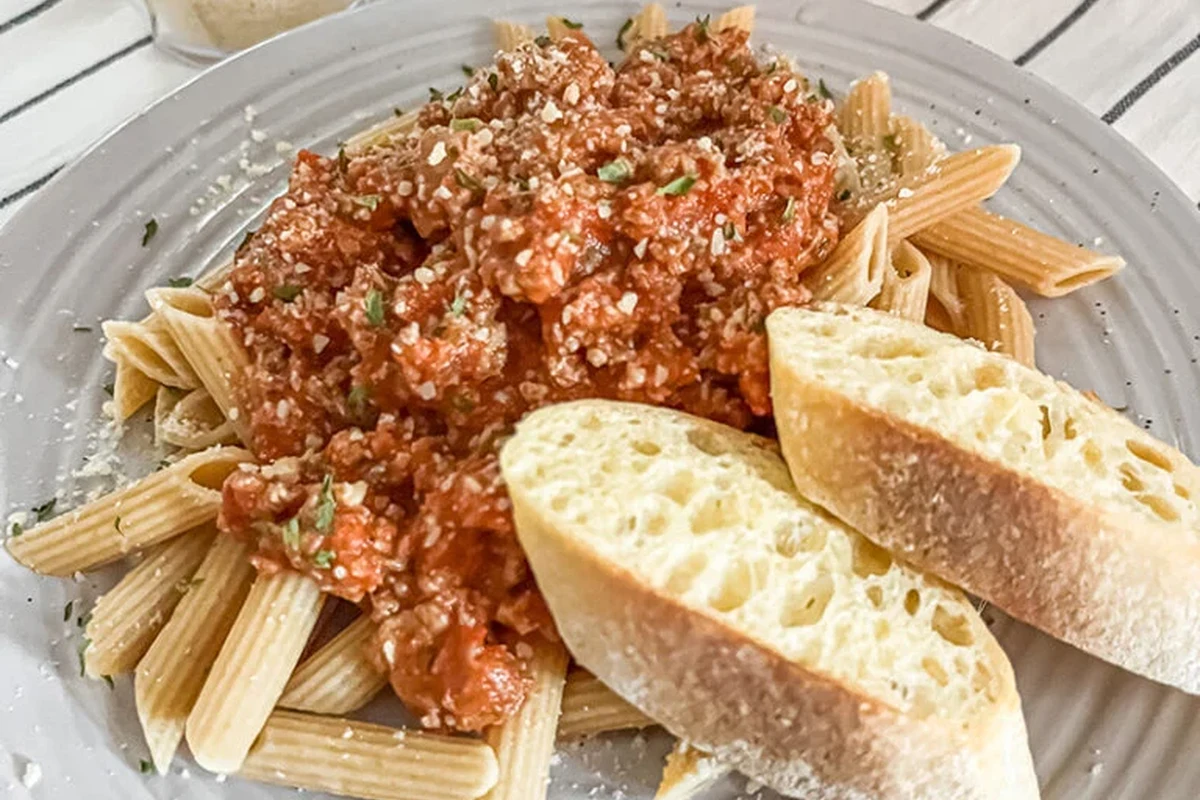
Whole wheat pasta can fit into a diabetes-friendly meal plan. It is not a free pass, though. It still contains carbs, and carbs affect blood sugar.
The main benefit is fiber. Fiber can slow digestion and help you feel full longer. That makes it easier to eat a more balanced meal.
In short, whole wheat pasta is often the better pick than regular pasta. It works best when you keep the serving modest and build the plate with protein and vegetables.
How Whole Wheat Pasta Affects Blood Sugar
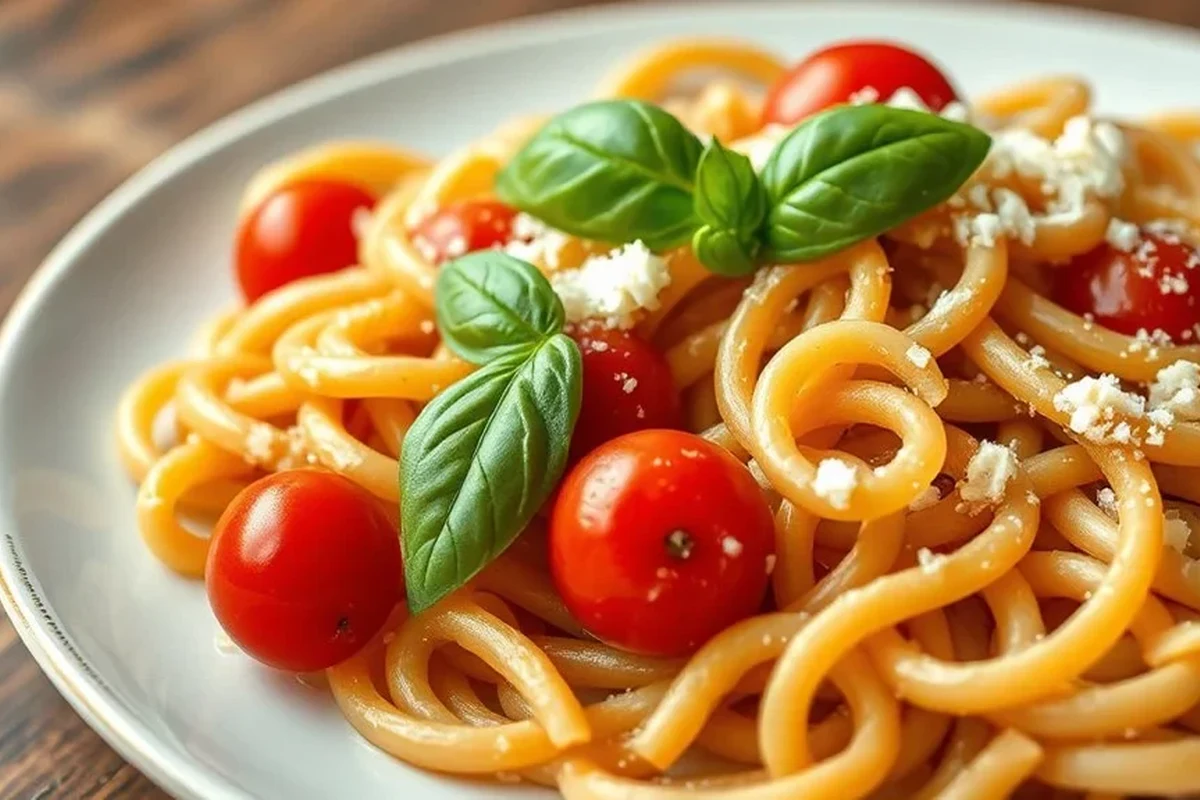
Whole wheat pasta affects blood sugar like other starchy foods. Your body breaks it down into glucose. The speed of that rise depends on fiber, cooking time, and serving size.
Compared with refined pasta, whole wheat pasta usually digests more slowly. That can soften the blood sugar spike after a meal. Still, each person responds a little differently.
Why Fiber Matters
Fiber is the big reason whole wheat pasta often works better for diabetics. It slows how fast food leaves the stomach. It also slows how fast carbs enter the blood.
That slower pace can help keep energy steadier after eating. It may also help you feel satisfied with less food. For many home cooks, that makes dinner easier to manage.
Whole wheat pasta keeps the bran and germ of the grain, which adds fiber and nutrients.
In short, fiber is one of the main reasons whole wheat pasta gets a better reputation.
How Portion Size Changes the Impact
Even healthy pasta can raise blood sugar if the serving is too large. A big bowl can turn into a very carb-heavy meal fast. That is true for whole wheat pasta too.
Smaller portions are easier to balance. Many people do better when pasta is one part of the plate, not the whole plate. Add vegetables and protein to stretch the meal.
- Measure pasta before cooking when possible.
- Use a smaller bowl to avoid oversized servings.
- Fill half the plate with non-starchy vegetables.
In short, portion control can matter more than the pasta label.
Whole Wheat Pasta vs Regular Pasta for Diabetics
Both kinds of pasta can fit sometimes. The real difference is how each one affects fullness and blood sugar. Whole wheat pasta usually has the edge because it offers more fiber.
That does not mean regular pasta is always off limits. It just means whole wheat pasta often gives you more room to build a balanced meal.
Blood Sugar Response
Regular white pasta is made from refined flour. That process removes much of the fiber. Without that fiber, the body may digest it faster.
Whole wheat pasta tends to have a gentler impact for many people. But the brand, shape, and cooking time all matter. A soft, overcooked pasta can act more like a fast carb.
| Option | Best For | Key Consideration |
|---|---|---|
| Whole wheat pasta | More fiber and better satiety | Still needs portion control |
| Regular pasta | Occasional use or picky eaters | Usually lower in fiber |
In short, whole wheat pasta usually gives a better blood sugar response than regular pasta.
Satiety and Meal Balance
Whole wheat pasta often feels more filling. That can help prevent second helpings. It also makes it easier to pair pasta with vegetables and lean protein.
Regular pasta can still work if the rest of the meal is smart. For example, a small serving with chicken, broccoli, and tomato sauce is very different from a huge creamy bowl.
- More fiber than refined pasta
- Often keeps you full longer
- Works well in balanced meals
- Still contains a fair amount of carbs
- Overcooking can raise impact
- Large portions can still spike blood sugar
In short, whole wheat pasta helps most when it supports a balanced plate.
What to Look for on the Label
The label tells you more than the front of the box. Some pastas look healthy but use mixed flours or small amounts of whole grain. Always check the ingredient list and nutrition panel.
That quick check can save you from a pasta that is not as fiber-rich as it seems.
Ingredients and Grain Type
Look for whole wheat flour or whole durum wheat as the first ingredient. That usually means the pasta is truly whole grain. If refined flour comes first, it is not a true whole wheat choice.
Some brands blend whole wheat with white flour. That can still be fine, but it may have less fiber. If you want the most blood sugar support, choose the most whole grain option you can find.
- Whole wheat flour should be the first ingredient
- Check for added sugars in flavored pasta
- Compare fiber per serving
In short, the ingredient list matters more than the package color.
Serving Size, Carbs, and Fiber
Serving size can be tricky. A label may list one serving as a small amount of dry pasta, not the full bowl you cook at home. That is why many people eat more carbs than they realize.
Look at total carbs and fiber together. Higher fiber is usually a plus. It can help offset some of the impact of the carbs.
Nutrition labels vary by brand and country. Always check the package you plan to cook.
In short, the carb count and fiber count should guide your choice.
Best Ways to Eat Whole Wheat Pasta If You Have Diabetes
The pasta itself is only part of the story. The rest of the meal can make a big difference. Think of pasta as the base, not the whole plan.
A good bowl should include fiber, protein, and healthy fat in sensible amounts. That mix can help slow digestion and improve satisfaction.
Smart Sauce Choices
Tomato-based sauces are often a better fit than heavy cream sauces. They usually bring more flavor with fewer calories and less saturated fat. Just watch for added sugar in jarred sauces.
Simple sauces also work well. Olive oil, garlic, herbs, and vegetables can make a satisfying meal without loading it with extra sugar.
- Choose tomato, herb, or olive oil sauces
- Check jar labels for added sugar
- Use enough seasoning for flavor
- Sweet sauces with lots of sugar
- Very heavy cream sauces in large amounts
- Oversalting to cover weak flavor
In short, the sauce can help or hurt your blood sugar plan.
Protein and Veggie Pairings
Protein helps slow digestion and makes the meal more filling. Good choices include chicken, fish, beans, tofu, turkey, or eggs. Vegetables add volume without many carbs.
Try pasta with spinach, peppers, zucchini, mushrooms, or broccoli. This makes the bowl feel bigger without making it much heavier in carbs. It also improves color and texture.
Helps steady the meal and supports fullness.
Add volume, fiber, and better balance.
In short, protein and vegetables make pasta more diabetes-friendly.
Cooking Tips for Lower Glycemic Impact
Cook pasta until it is just tender, not mushy. Slightly firmer pasta often digests more slowly than very soft pasta. That small change can matter.
Some people also like to cook pasta, cool it, and reheat it later. Cooling can change some of the starch structure. Results vary, but it may help a little for some meals.
- Cook pasta to al dente when possible
- Mix pasta with vegetables before serving
- Use a smaller amount of sauce
In short, small cooking choices can make the meal easier on blood sugar.
Common Mistakes That Can Raise Blood Sugar
Even a good pasta choice can go wrong fast. Most problems come from serving size, sauce, and cooking style. These are easy to miss during a busy weeknight.
If pasta seems to spike your blood sugar, the fix is often in the bowl, not the brand.
Oversized Portions
This is the most common mistake. Pasta is easy to overserve, especially when you cook by eye. A big plate can turn into two or three servings fast.
Try measuring dry pasta or using a smaller scoop. Then build the rest of the meal around vegetables and protein. That keeps the carb load more reasonable.
Blood sugar responses are personal. If a food raises your levels more than expected, adjust the portion and check with your clinician.
In short, the serving size can make or break the meal.
Heavy Cream and Sugary Sauces
Rich sauces can add a lot of fat and calories. Some jarred sauces also contain more sugar than you might expect. Both can make the meal less balanced.
That does not mean you must avoid flavor. It just means you should read labels and keep rich sauces modest. A little can go a long way.
In short, the sauce matters almost as much as the pasta.
Overcooking the Pasta
Very soft pasta is easier to eat fast. It may also digest faster. That can lead to a sharper rise in blood sugar for some people.
Cook it until it still has a little bite. If you like meal prep, store it safely in the fridge and reheat it later. Follow food safety rules for cooling and storage.
For leftovers, cool food quickly, refrigerate it promptly, and reheat it fully before eating.
In short, firmer pasta and safe storage both help.
Who Should Be Careful With Whole Wheat Pasta
Whole wheat pasta is not the best fit for everyone. Some people need tighter carb control than others. Some also react more strongly to even small servings.
If that sounds like you, the answer may be to keep portions very small or choose another base.
People With Very Sensitive Blood Sugar
Some people see a big rise from most starches, even whole grains. If that happens, you may need to test how your body reacts. A glucose meter or continuous monitor can help you learn your pattern.
Pairing pasta with protein and vegetables may help. But if blood sugar still climbs too much, talk with your healthcare provider or dietitian about better options.
In short, whole wheat does not work the same for everyone.
People Watching Total Carbs Very Closely
If you follow a very low-carb plan, pasta may not fit often. Whole wheat pasta still carries a meaningful carb load. Even a smaller serving can use up a lot of your daily target.
In that case, you might prefer a smaller pasta portion or a different base, like zucchini noodles or spaghetti squash. Those options can lower carbs while still giving you a pasta-style meal.
Best for a smaller pasta serving with strong blood sugar control.
Best when you want a full pasta meal with balanced sides.
In short, your carb target should guide the final choice.
Final Verdict: Is Whole Wheat Pasta Worth It for Diabetics?
Yes, whole wheat pasta is often worth choosing if you have diabetes. It usually offers more fiber, better fullness, and a gentler blood sugar response than regular pasta. That makes it a smart everyday option for many home cooks.
Still, it is not magic. You need to watch the portion, pick a better sauce, and add protein and vegetables. If you do those things, whole wheat pasta can fit nicely into a balanced meal plan.
Whole wheat pasta is a solid choice for many diabetics, especially when you keep portions modest and build a balanced plate. If your blood sugar is very sensitive, test your response and ask a professional for personal guidance.
In short, whole wheat pasta is usually the better pasta choice for diabetics, but the full meal matters most.
Frequently Asked Questions
Often, yes. Whole wheat pasta usually has more fiber, which can help slow digestion and support steadier blood sugar.
It depends on your carb goals and blood sugar response. A smaller serving is usually easier to fit into a balanced meal.
Tomato-based, herb, or olive oil sauces are often better choices. Check labels for added sugar and keep creamy sauces modest.
It may help a little because firmer pasta can digest more slowly. Results vary by person, so portion size still matters most.
Yes, and it can help you learn how your body responds. Check your levels as advised by your clinician and note the serving size and toppings.
Add lean protein and non-starchy vegetables. That can improve fullness and help balance the meal.