Does Olive Garden Make Its Own Pasta The Truth Here

Olive Garden usually does not make all of its pasta from scratch on site. The final dish is mostly shaped by how the kitchen cooks, sauces, and serves it.
Olive Garden does not fully make all of its pasta from scratch in every location. In most cases, the pasta is prepared through a mix of restaurant handling and supplier-made pasta, while sauces and final assembly happen in the kitchen.
If you want the short answer, that’s it. The real story is a bit more nuanced, because “made in house” can mean different things at different chains and even different locations.
- Short answer: Olive Garden pasta is usually not fully scratch-made in-house.
- Main factor: Sauce, timing, and kitchen handling affect taste most.
- Best for: Diners who want familiar comfort food and easy leftovers.
- Watch for: Wheat, dairy, and cross-contact if you have allergies.
Does Olive Garden Make Its Own Pasta? The Short Answer

Most diners want a simple yes or no. The honest answer is closer to “not fully, and not in the way many people imagine.”
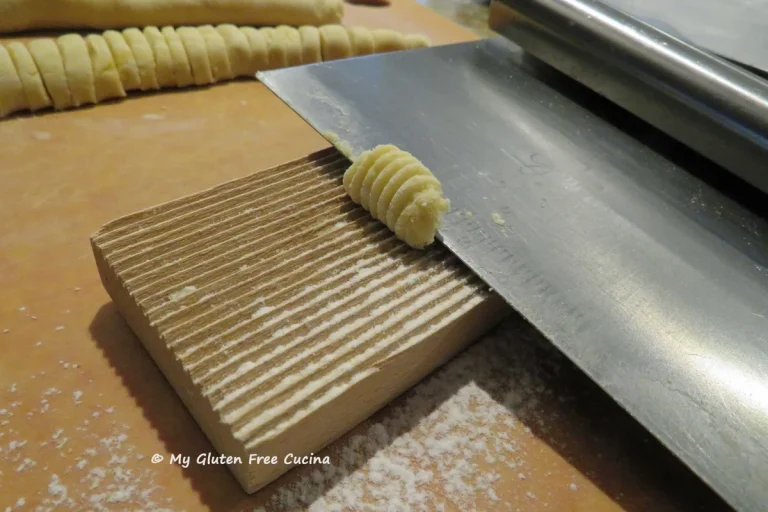
Olive Garden may cook, finish, and serve pasta in the restaurant, but that is not the same as making pasta dough from scratch on site. In many chain restaurants, the pasta itself comes in prepared form, then gets boiled, sauced, and plated to order.
What Olive Garden says about its pasta
Restaurant chains often describe their food in broad terms. They may talk about fresh ingredients, kitchen prep, or made-to-order dishes without saying every part is handmade from raw flour and eggs.
For Olive Garden, the safest way to read any menu or brand claim is literally. If the company says a dish is prepared in the restaurant, that usually means the final cooking happens there. It does not always mean the pasta was mixed, rolled, and cut on site.
Menu language can change by region, supplier, and recipe. If you need a precise answer for one dish, check the current menu or ask the restaurant directly.
Fresh, dried, or made in house: what the words really mean
These terms get mixed up all the time. Fresh pasta usually means pasta with more moisture, often sold refrigerated. Dried pasta is shelf-stable and cooked later in boiling water.
Made in house means the kitchen prepares part of the dish on site. That might mean sauce, filling, or final assembly. It does not always mean the pasta dough itself was made there.
Many restaurant dishes sound “homemade” because the sauce and assembly are done in the kitchen, even when the pasta is supplied ready to cook.
How Olive Garden Pasta Is Made and Served

To understand the pasta, it helps to think about the whole restaurant process. The kitchen is not usually a pasta factory. It is a fast, organized service line.
That means the final dish depends on timing, heat, sauce, and how well the pasta is cooked before it hits the plate.
The restaurant process from kitchen to plate
In a busy chain kitchen, pasta service usually follows a set pattern. Staff cook the pasta, warm the sauce, add toppings, and plate the dish fast.
This setup helps keep food moving during rush hours. It also means the pasta you eat is shaped by kitchen speed as much as by the recipe itself.
The kitchen cooks pasta in batches for steady service.
Sauce, cheese, meat, or vegetables finish the dish.
Speed matters so the pasta stays hot and soft.
Which dishes are most likely to use prepared pasta
Most pasta dishes on a chain menu rely on some form of prepared pasta. That is normal for large restaurants. It helps keep flavor and texture more consistent.
Stuffed pasta, like ravioli or similar dishes, may be even more likely to come in prepared form. Long noodles and classic shapes are also often supplied ready for cooking.
What “Prepared Pasta” Means in a Restaurant
Prepared pasta can still taste good. The key question is how the kitchen cooks and seasons it.
How sauces, toppings, and cooking style affect the final dish
For many diners, the sauce matters more than the pasta itself. A rich sauce can lift a basic noodle. A thin sauce can make even good pasta feel plain.
Cooking style also changes the result. Pasta that sits too long gets soft. Pasta that is tossed well with sauce tastes better and holds heat longer.
What Ingredients and Pasta Types Matter Most
When people ask if a restaurant makes its own pasta, they often focus on the wrong detail. Shape, texture, and sauce match matter just as much.
Even a simple noodle can taste great if the ingredients and cooking method work together.
Common pasta shapes you’ll see on the menu
You’ll usually see familiar shapes on a chain menu. These are easy to cook, easy to portion, and easy to pair with sauces.
- Fettuccine for creamy sauces.
- Spaghetti for classic tomato or meat sauce.
- Penne for thicker sauce and baked dishes.
- Ravioli for filled pasta meals.
- Linguine or similar shapes for lighter sauces.
Simple ingredient basics to look for
You do not need a long ingredient list to judge pasta well. Start with the basics.
- Wheat flour gives pasta its main structure.
- Eggs add richness in some pasta styles.
- Water and salt affect dough and flavor.
- Sauce ingredients shape most of the taste.
What matters more than the pasta itself
For most people, the final plate matters more than the pasta source. Heat, salt, sauce, and texture all play a part.
A restaurant can serve decent prepared pasta and still make a satisfying meal. On the other hand, homemade pasta can still taste dull if the sauce is weak.
Benefits and Limits of Olive Garden Pasta
Olive Garden pasta has a clear appeal. It aims for comfort, consistency, and broad crowd appeal.
Still, it will not please everyone. Some diners want a more rustic bite or a stronger fresh pasta flavor.
Why many diners like the taste and texture
Many people like chain pasta because it feels familiar. The texture is usually soft, smooth, and easy to eat.
The sauces also tend to be rich and mild. That makes the food friendly for kids, casual diners, and anyone who wants a safe choice.
- Comforting flavor that many diners know well
- Consistent texture across common menu items
- Easy pairing with rich sauces and toppings
Where the pasta falls short for some eaters
Some people want more bite in their pasta. Others want a stronger wheat taste or a more handmade feel.
Chain pasta can also seem soft if it sits too long before serving. That is a common problem in any busy restaurant, not just one brand.
- Easy, familiar flavor
- Usually consistent from visit to visit
- Works well with creamy or hearty sauces
- May not taste truly fresh-made
- Can feel soft or basic to pasta fans
- Quality can vary with kitchen timing
How it compares with fresh pasta and store-bought pasta
Fresh pasta usually has a softer, richer feel. It often cooks fast and works well with delicate sauces.
Store-bought dried pasta is firmer and more shelf-stable. Restaurant pasta often sits between the two. It may taste better than basic home pasta because of the sauce and service, not because it was made from scratch.
Common Mistakes People Make When Judging Restaurant Pasta
People often judge pasta too quickly. They hear “fresh” and assume handmade. Or they hear “chain restaurant” and assume low quality.
Both shortcuts can lead you wrong.
Assuming all pasta is made from scratch
This is the biggest myth. A restaurant can make a meal feel homemade without making every part on site.
That does not make the meal bad. It just means you should read menu claims with care.
Mixing up fresh pasta with house-made sauce
Fresh sauce and fresh pasta are not the same thing. A kitchen can make a sauce from scratch and still use prepared pasta.
That mix is common in restaurants. It gives the kitchen more control over speed and taste.
If you care about true scratch-made pasta, ask whether the pasta dough is made on site. Do not assume the word “fresh” means that.
Expecting the same quality across every location
One location may cook pasta better than another. Staff training, rush levels, and kitchen care all matter.
That is true for many chain restaurants. So if one visit disappoints you, it may not tell the whole story.
Safety, Allergens, and Dietary Notes
Pasta is simple food, but safety still matters. Wheat, dairy, eggs, and cross-contact can affect many diners.
If you have food allergies or a medical diet, check the latest menu and ask the restaurant before ordering.
Gluten concerns and wheat-based pasta
Most pasta contains wheat. That means it is not safe for people who must avoid gluten.
Some restaurants offer gluten-conscious choices, but ingredients and kitchen steps can vary. Always confirm current details before you order.
Cross-contact risks in a busy kitchen
Busy kitchens share tools, water, pans, and prep space. That creates cross-contact risk for allergens and gluten.
If you have a serious allergy or celiac disease, ask about current kitchen practices before ordering. Follow the restaurant’s allergy guidance and do not rely on assumptions.
What to check before you order
Before you place an order, check a few things.
- Current ingredient and allergen info.
- Whether the pasta is wheat-based.
- How the kitchen handles cross-contact.
- Whether sauces contain dairy, egg, or meat.
- Ask questions before ordering if you have allergies
- Check the latest menu and allergen guide
- Do not guess based on a past visit
- Do not assume a sauce is safe without checking
Value, Portions, and Best Ordering Tips
Value is about more than price. It includes portion size, taste, filling power, and leftovers.
Olive Garden pasta can feel like a good deal when you want a large, comforting meal with bread and sauce.
When Olive Garden pasta feels like a good value
It tends to feel worth it when you want a full meal with little effort. You get a familiar dish, quick service, and a menu that suits groups well.
It also works if you like leftovers. Many pasta dishes reheat well when stored and warmed the right way.
Ask for sauce on the side if you want better leftover texture. It can help keep pasta from getting soggy.
How to choose the best pasta dish for your budget
Pick the dish that matches your appetite. A simpler pasta can be enough if you want a lighter meal.
If you want more value, look for dishes with protein, vegetables, or a sauce you really enjoy. Those extras often make the meal feel more complete.
Takeout and leftover tips for better results
Takeout pasta can lose texture if it sits too long. The sauce may thicken, and the noodles may soften.
For better leftovers, cool the food quickly, store it in a sealed container, and reheat it gently. Add a splash of water or extra sauce if needed.
- Keep pasta and sauce separate when you can.
- Reheat gently to avoid dry or mushy noodles.
- Use leftovers within a safe storage window.
Final Verdict: Is Olive Garden Pasta Worth It?
So, does Olive Garden make its own pasta? Usually not in the full scratch-made sense most people mean. The pasta is best seen as restaurant-prepared food, with final cooking and saucing done in the kitchen.
That does not make it a bad choice. It just means you should expect comfort food, not artisan pasta.
Who will enjoy it most
Olive Garden pasta is a good fit if you want a filling, familiar meal. It also works well for families, casual dinners, and people who like creamy or mild sauces.
If you care most about convenience and consistency, it can be a solid pick.
Olive Garden Pasta for Casual Comfort Meals
Best for diners who want a reliable, sauce-forward pasta dish with broad appeal. The main limitation is that it may not satisfy people looking for true fresh-made pasta texture.
When to choose another pasta option instead
Choose another pasta if you want handmade dough, a firmer bite, or a more regional Italian style. A local Italian restaurant or a home-cooked meal may suit that goal better.
If you need strict allergen control, you should also compare options carefully. The safest choice depends on the kitchen, not just the name on the sign.
Olive Garden pasta is a dependable comfort meal, but it is usually not true scratch-made pasta. Choose it for familiar flavor and convenience, and choose a different spot if you want a more handmade pasta experience.
Frequently Asked Questions
Usually not in the full scratch-made sense. The restaurant may cook and finish pasta in-house, but that is different from making dough on site.
It often means the kitchen cooks, sauces, or assembles the dish on site. It does not always mean the pasta itself was mixed and rolled there.
That can vary by dish and supplier. In many chain restaurants, the pasta is prepared before it reaches the kitchen, then cooked to order.
It can be a good value if you want a filling meal, leftovers, and familiar flavors. Value depends on the dish, portion, and what you enjoy.
Check the current allergen guide, ask about wheat and cross-contact, and confirm how sauces are made. Do not rely on old menu details.
Reheat it gently and add a little water or sauce if needed. Store leftovers in a sealed container and use safe food handling steps.