Is Pasta Serving Size Dry or Cooked Easy Guide

Pasta serving size is usually measured dry, not cooked. Dry measuring gives the most accurate and repeatable portion.
Pasta serving size is usually based on dry pasta, not cooked pasta. That’s the easiest way to get a fair, repeatable portion before water changes the weight and shape.
- Dry first: Use dry pasta for labels, recipes, and calorie counts.
- Cooked changes: Pasta absorbs water and weighs more after boiling.
- Scale helps: A kitchen scale gives the most reliable portion.
- Shape matters: Long and short pasta fit cups in different ways.
- Adjust smartly: Change portions for appetite, sauce, and meal style.
Is Pasta Serving Size Dry or Cooked? The Short Answer

For labels, recipe planning, and most portion guides, the answer is dry. Dry pasta gives you a set amount before cooking, so the numbers stay consistent.
Cooked pasta can still help with serving, but it is less exact. Once pasta boils, it absorbs water and gets heavier, so the same dry amount can look much bigger on the plate.
Why nutrition labels use dry pasta as the standard
Nutrition labels use dry pasta because it is stable and easy to measure. A cup of dry pasta today should match a cup tomorrow.
That matters for calories, carbs, and recipe math. If the label says 2 ounces, it means 2 ounces before cooking unless the package says otherwise.
Some prepared pasta meals list cooked weight or a cooked portion. Always check the package wording before you measure.
How cooked pasta changes in size and weight
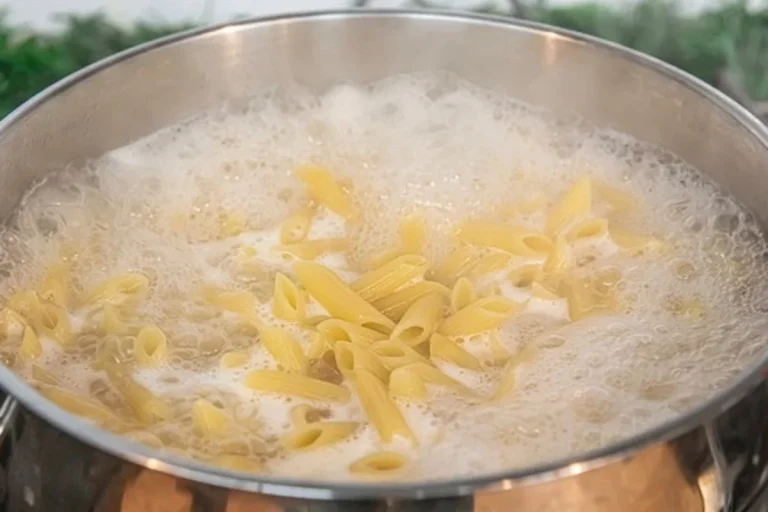
When pasta cooks, it absorbs water and expands. That means the same dry serving can turn into a much larger bowl after boiling.
Because of that change, cooked volume can be tricky. A cup of cooked spaghetti does not always match a cup of cooked penne in the same way.
How to Measure Pasta the Right Way

The best method depends on what you need. For accuracy, start with dry weight when you can.
Dry weight versus cooked volume
Dry weight works best for labels, recipes, and meal prep. Cooked volume works better when you already made the pasta and want to divide it fairly.
Think of dry weight as the starting point. Think of cooked volume as the backup plan.
Simple tools that help you portion pasta
You do not need fancy gear. A kitchen scale gives the best accuracy, but simple tools can still help.
For long pasta, a pasta measure or even your hand can help. For short pasta, a measuring cup is usually easier.
Common serving size examples for spaghetti, penne, and macaroni
Many dry pasta guides use 2 ounces per serving for an adult. That is a common starting point, not a hard rule.
- Spaghetti often measures well by weight or a pasta ring tool.
- Penne usually fits neatly into a measuring cup.
- Macaroni can pack more tightly, so weight is best.
Small shape changes can affect how much pasta fits in a cup, even when the weight is the same.
Why This Matters for Calories, Nutrition, and Meal Planning
Pasta portions affect more than plate size. They also affect calorie counts, sauce balance, and how much food you make.
How dry pasta measurements affect calorie counts
Calories usually come from the dry amount listed on the label. If you measure after cooking, you may overestimate or underestimate the serving.
That can make a big difference in tracking meals. A large cooked bowl may still come from a modest dry portion.
What happens when you track pasta after cooking
Tracking cooked pasta can work if you use the same method every time. The problem is that cooked pasta changes with shape, time, and water content.
Two bowls can look similar and still contain different dry amounts. That is why dry measuring stays more reliable.
If you track food for health reasons, use one method each time. Consistency matters more than guessing.
How to plan portions for kids, adults, and meal prep
Kids often need less than adults. Adults with bigger appetites may need more, especially if pasta is the main dish.
For meal prep, dry measuring helps you divide food before cooking. That makes leftovers and lunch boxes easier to plan.
Dry Pasta Serving Sizes by Type
Not all pasta shapes behave the same way. Long shapes, short shapes, and stuffed pasta each need a slightly different approach.
Long pasta like spaghetti and linguine
Long pasta is often measured by weight. You can also use a pasta portion tool or compare it to a small bundle.
When you eyeball it, the bundle can be too large. That is why a scale is the safest bet for accuracy.
Short pasta like rotini, penne, and shells
Short pasta is easier to scoop into a cup. Still, the shape and how tightly it settles can change the amount.
Loose packing gives a different result than a full, tapped cup. Weight avoids that problem.
Stuffed or specialty pasta and why the rules change
Stuffed pasta like ravioli or tortellini does not follow the same portion feel as dry shapes. It fills up faster and often serves as a richer main dish.
Specialty pasta may also vary by brand and filling. For those, the package directions matter even more.
Portioning Pasta by Shape
Different pasta shapes need different measuring habits. Start with dry weight, then adjust for the shape you cook.
Common Mistakes People Make With Pasta Portions
Most pasta mistakes are simple. They usually come from guessing, mixing up dry and cooked amounts, or using the wrong tool.
Using cooked pasta as the base for labels or recipes
Cooked pasta is fine for serving on a plate. It is not the best base for label math or recipe scaling.
If a recipe asks for dry pasta, use dry pasta. That keeps the sauce ratio and final texture on track.
Guessing by eye instead of measuring
Eyeballing pasta sounds easy, but it often leads to big portions. A little extra dry pasta can turn into a lot more cooked pasta.
That matters most when you cook for one or try to manage calories.
Overcooking, overfilling, and serving too much
Overcooked pasta can feel softer and seem smaller on the plate. That can make people serve extra without noticing.
Overfilling the pot can also cause clumps and uneven cooking. Use a pot that gives pasta room to move.
- Measure dry pasta before you start boiling water.
- Use a scale for the most reliable portion.
- Keep one serving method for meal tracking.
- Check package directions for specialty pasta.
How to Use Pasta Serving Sizes in Real Life
Serving sizes only help if they fit your routine. The goal is not perfection. The goal is a method you can repeat.
Cooking for one person
For one person, dry measuring is the easiest way to avoid waste. You can cook just enough and keep the rest sealed.
If you want a lighter meal, start below the package serving and add vegetables or protein.
Cooking for a family
Family meals work best with a simple rule. Decide the dry amount per person, then cook a little extra for seconds.
That gives you control without making too much. It also helps keep sauce and pasta in balance.
Meal prep and leftovers
Meal prep gets easier when you portion dry pasta into containers or bags first. Then each serving cooks the same way.
Cooked leftovers are fine too. Just know that the texture may change after storage and reheating.
Benefits, Limits, and Best Practices
Dry measuring gives you the cleanest answer. Still, cooked measuring has a place in real kitchens.
When dry measuring works best
Dry measuring works best for nutrition labels, recipes, and calorie tracking. It also helps when you want repeatable results.
If you use a scale, the process stays quick and simple.
When cooked measuring makes more sense
Cooked measuring makes sense when the pasta is already made. It also helps when you are dividing a big batch into equal plates.
In those cases, use the same cup or scoop each time for fairness.
- Capacity and dimensions
- Controls, cleaning, warranty, and safety
Best habits for consistency and less food waste
Pick one method and stick with it. That makes your portions easier to repeat and your leftovers easier to manage.
Also, store dry pasta well and cook only what you need. Less waste usually means less stress at dinner.
Final Recommendation: The Best Way to Think About Pasta Serving Size
The best way to think about pasta serving size is simple. Use dry measurements when you want accuracy, and use cooked measurements when you need to divide what’s already on hand.
When to follow dry measurements
Follow dry measurements for labels, recipes, meal prep, and calorie tracking. This is the most dependable method for home cooks.
If you can, use a kitchen scale. It removes most of the guesswork.
When to adjust for appetite, sauce, and recipe style
Adjust the amount when the meal calls for it. A light sauce, a heavy sauce, or a pasta salad may all need different portions.
In short, start with dry pasta, then adjust for the dish and the people at the table.
Dry pasta is the standard for serving size, calories, and recipe accuracy. Cooked pasta works best only after you’ve already cooked it or need to split a finished batch.
Frequently Asked Questions
It is usually dry. That is the standard used on most nutrition labels and recipe guides.
Dry pasta is easier to measure and stays consistent. Cooked pasta changes weight after it absorbs water.
A common starting point is 2 ounces per adult. You can adjust based on hunger and the rest of the meal.
Yes, but it is less exact. It works best when you are dividing leftovers or a finished batch.
Yes, shape affects how much fits in a cup. Weight is still the most reliable method.
A kitchen scale is best for dry pasta. Measuring cups and pasta tools can help when you need a quick portion.