How Many Cups in a Pound of Pasta Easy Guide

One pound of dry pasta is usually about 8 cups, but the exact amount depends on shape. For the most accurate result, weigh the pasta instead of using cups.
If you’re wondering how many cups in a pound of pasta, the short answer is usually about 8 cups of dry short pasta. Long pasta like spaghetti can vary more, since shape and packing change the cup count.
- Quick rule: Most dry pasta is close to 8 cups per pound.
- Best accuracy: A kitchen scale beats measuring cups every time.
- Shape matters: Long noodles and short shapes do not measure the same.
- Dry vs. cooked: Never swap dry pasta measurements with cooked ones.
How Many Cups in a Pound of Pasta? The Quick Answer
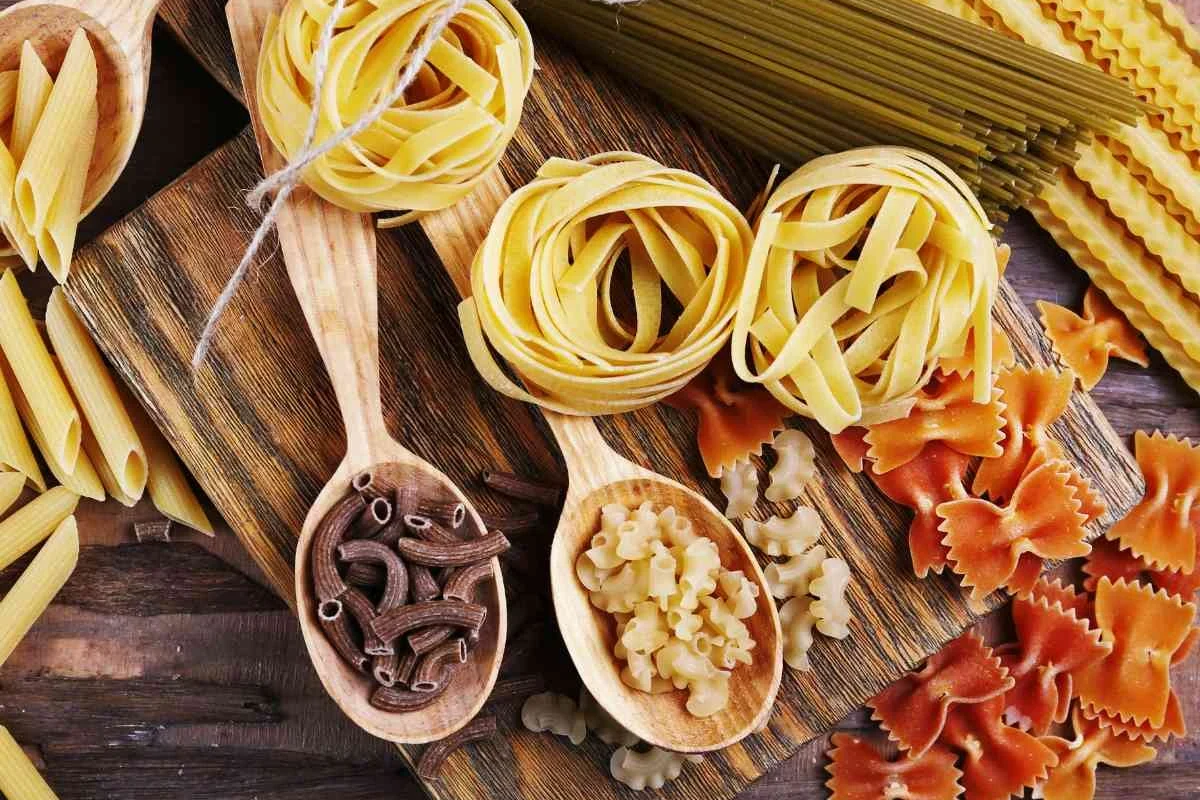
A pound of dry pasta is not one fixed cup count for every shape. The answer depends on the pasta’s size, shape, and how tightly it sits in the cup.
Dry pasta vs. cooked pasta: why the number changes
Dry pasta and cooked pasta do not measure the same way. Dry pasta has air gaps between pieces, while cooked pasta absorbs water and swells.
That means one cup of dry pasta is not the same as one cup of cooked pasta. If a recipe gives a dry measurement, stick with dry pasta until cooking starts.
Cooked pasta volume changes a lot by shape, boil time, and how much water it absorbs.
The short answer for common pasta shapes
Here’s the easy kitchen rule most home cooks use. One pound of dry short pasta is usually close to 8 cups.
Long pasta is trickier. A pound of spaghetti often lands near 8 cups too, but the exact amount can shift a little.
| Option | Best For | Key Consideration |
|---|---|---|
| Short dry pasta | Quick home cooking | Usually close to 8 cups per pound |
| Long dry pasta | Spaghetti and linguine recipes | Cup count changes with packing and shape |
| Fresh pasta | Delicate sauces and fast cooking | Weight matters more than cups |
What Affects the Cup Count in a Pound of Pasta
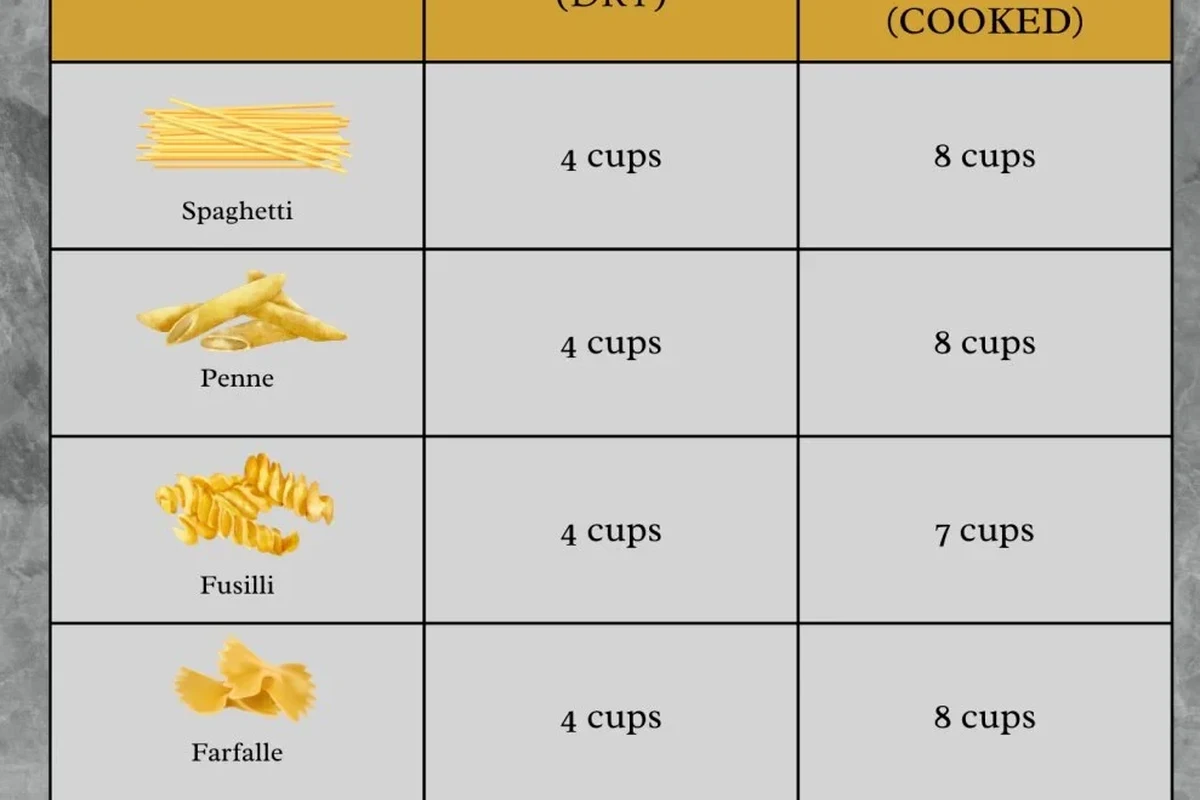
Several small things can change the answer. That’s why two cups of one pasta shape may weigh more or less than two cups of another.
Pasta shape and size
Small shapes fill a cup differently than long shapes. Tiny pasta pieces leave less open space, so they often pack more tightly.
Larger tubes and twists trap more air. That lowers the amount that fits into one cup.
Long pasta, short pasta, and broken pieces
Long pasta like spaghetti, linguine, and fettuccine often gets measured by bundle or weight. Once broken, it behaves more like short pasta, but the cup count still varies.
Short pasta like elbows, penne, and rotini is easier to scoop. Even then, the shape can change how much fits in the cup.
Brand differences and package density
Different brands may cut and dry pasta in slightly different ways. That can change how dense the pasta feels in the package.
For example, one brand’s penne may sit more loosely than another’s. The difference is small, but it matters in exact recipes.
Dry pasta can look light and airy, but it becomes much heavier after cooking.
Common Pasta Conversions You Can Use in the Kitchen
These are handy starting points for everyday cooking. They help when you do not have a scale nearby.
Spaghetti and other long noodles
Long noodles are best measured by weight when you want steady results. A kitchen scale gives the cleanest answer.
If you use cups, don’t pack the noodles down hard. Loose measuring gives a more honest result.
- Hold long pasta loosely when measuring by cup.
- Break noodles only if the recipe allows it.
- Use a scale for the best repeat results.
Penne, rotini, elbows, and similar shapes
These shapes are easier to scoop and level. For many home recipes, 8 cups per pound is a useful rule.
Still, the exact cup count can shift a little. That’s normal and usually won’t ruin dinner.
Fresh pasta vs. dry pasta
Fresh pasta is denser and holds more moisture. Because of that, cup measurements can be misleading.
For fresh pasta, weight gives a better guide than volume. If a recipe mentions fresh pasta, follow that measurement closely.
How to Measure Pasta the Right Way
The best method depends on how exact you need to be. For weeknight meals, cups can work fine.
Using measuring cups for dry pasta
Use a dry measuring cup, not a liquid cup. Fill it lightly and level the top.
Don’t press the pasta down unless the recipe tells you to. Packing changes the result fast.
Kitchen scale
Level surface
Using a kitchen scale for better accuracy
A scale removes the guesswork. It helps most when you cook the same dish often or scale recipes up and down.
It also makes sauce planning easier. You can match the pasta amount to the number of people more cleanly.
Portion guides for one, two, or a crowd
For one person, a small handful of dry pasta often works well. For two, double that amount.
For family meals, it helps to measure once and write the amount down. That saves time next time you cook the same dish.
- Check the recipe’s pasta shape.
- Use dry or cooked measurements correctly.
- Match the amount to the sauce and serving size.
When Cup Measurements Help and When They Fall Short
Cups are useful when you want a fast estimate. They are less useful when the recipe needs exact balance.
Best uses for cup-based pasta measuring
Cups work well for simple family dinners. They also help when you are making a flexible sauce or casserole.
If you are not chasing a precise result, cups are usually good enough.
Limits of cup measurements for recipes
Cups can hide small errors. A loose scoop and a packed scoop may look the same, but they are not.
That matters in baked pasta, meal prep, and recipes with a strict sauce ratio.
Why weight is better for exact cooking
Weight gives you the same answer every time. That makes it the best choice for repeatable results.
If you want to match a recipe exactly, use ounces or grams instead of cups.
Always follow the package directions for cooking time and food safety. Pasta should be fully cooked unless your recipe says otherwise.
Common Mistakes When Measuring Pasta
Most pasta mistakes are simple. The good news is that they are easy to avoid.
Packing pasta too tightly
This is one of the biggest errors. Tightly packed pasta can throw off the recipe by a lot.
Keep the scoop loose and level. That gives you a more honest cup count.
Mixing up dry and cooked measurements
Dry pasta expands after boiling. Cooked pasta takes up more space in the bowl.
If you swap those two by mistake, the dish may end up too dry or too heavy.
Guessing portions for sauce-heavy dishes
Sauce-heavy meals need the right balance. Too much pasta can leave the dish bland and crowded.
Too little pasta can make the sauce feel overpowering. A scale helps when balance really matters.
Your pasta dish turns out too dry or too saucy.
Measure the dry pasta more carefully and match it to the sauce amount.
Best Tips for Better Pasta Results Every Time
A few small habits can make pasta night easier. They also cut down on waste.
Match the pasta amount to the sauce
Thick sauces often need more pasta surface area. That’s why shapes like penne and rotini work so well.
Light sauces may need longer noodles or a simpler shape. The goal is balance, not just volume.
Adjust for family meals and leftovers
If you want leftovers, cook a little extra. If the meal includes bread or sides, you may need less pasta.
Think about who is eating and how hungry they are. That’s more useful than a rigid rule.
Keep a simple conversion note in your kitchen
Write down the pasta shapes you use most. Add the cup and weight amounts that work for your family.
That little note saves time on busy nights. It also helps when you shop or meal plan.
Keep a small note near your pasta shelf with your most used conversions. It makes dinner prep faster.
Final Recommendation for Home Cooks
If you want the easiest rule to remember, use this one: one pound of dry pasta is usually about 8 cups, especially for common short shapes. It’s a practical guide, not a perfect law.
The easiest rule to remember
For most dry pasta, 8 cups per pound is a solid kitchen shortcut. It works best for everyday cooking, not precision baking or strict recipe testing.
When to use cups, and when to use a scale
Use cups for quick meals and simple portions. Use a scale when you want repeatable results or exact recipe balance.
For most home cooks, the best answer is about 8 cups per pound of dry pasta. If you want the most accurate result, weigh the pasta instead of relying on cups.
In short, cups are fine for everyday cooking, but weight wins when precision matters. That’s the safest and easiest way to handle pasta measurements at home.
Frequently Asked Questions
A pound of dry pasta is usually about 8 cups for many common shapes. Long pasta can vary a little, so weight is the most accurate method.
No, cooked pasta takes up more space because it absorbs water. Dry and cooked measurements should not be swapped in recipes.
Short shapes like penne, elbows, and rotini are easier to measure by cup. Long noodles are better measured by weight or a loose bundle.
Yes, a scale gives more exact and repeatable results. It is the best choice for recipes that need steady portions.
Brands may cut and dry pasta a little differently, which changes density. That can shift how much fits in one cup.
Use dry measuring cups for rough portions and a scale for accuracy. Always follow the package cooking directions and your recipe.