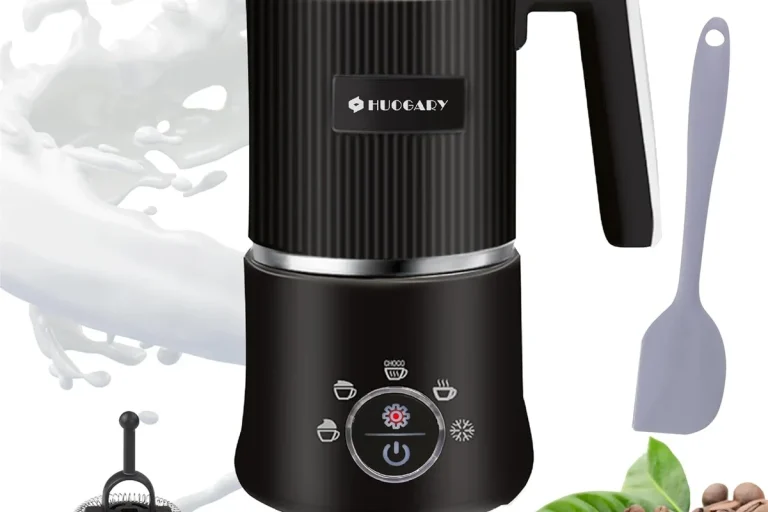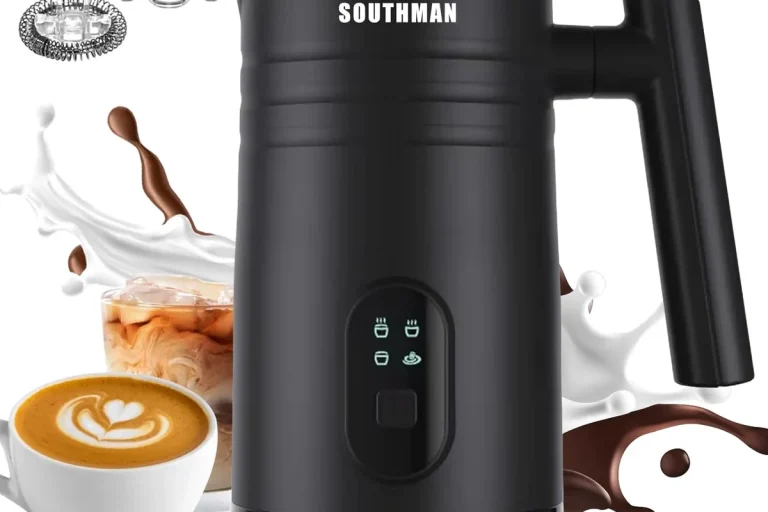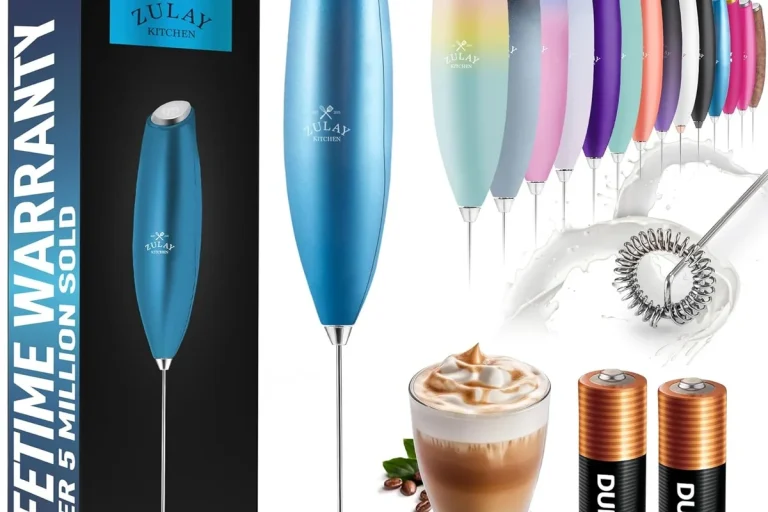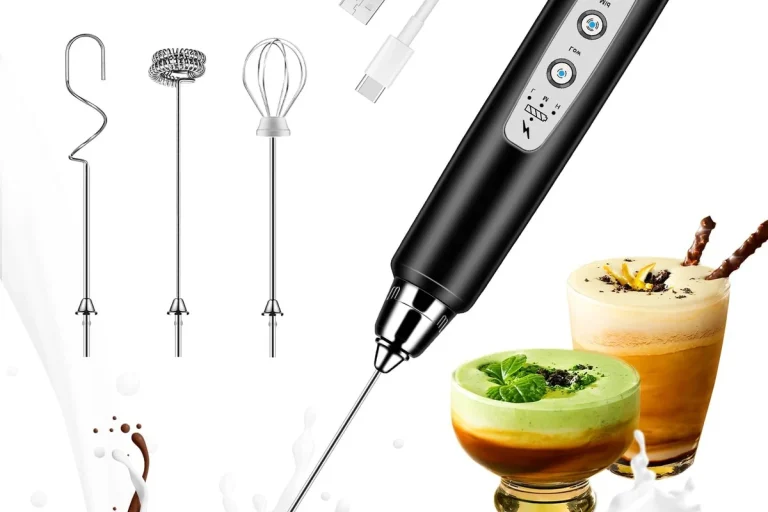
How to Use Electric Milk Frother for Coffee at Home

An electric milk frother helps you make café-style coffee at home with very little effort. Use the right fill line, the right milk, and clean it after each use.
An electric milk frother makes coffee drinks feel richer, smoother, and more like a café order. If you want better lattes, cappuccinos, or iced coffee at home, the basic method is simple. Heat or chill the milk, fill to the right line, froth it, then pour it over coffee.
- Use the fill line: Overfilling causes spills and weak foam.
- Choose the right milk: Whole and barista-style milks often froth best.
- Pour fast: Fresh foam holds its shape better right after frothing.
- Clean right away: Milk residue can affect taste and shorten part life.
How to Use an Electric Milk Frother for Coffee at Home
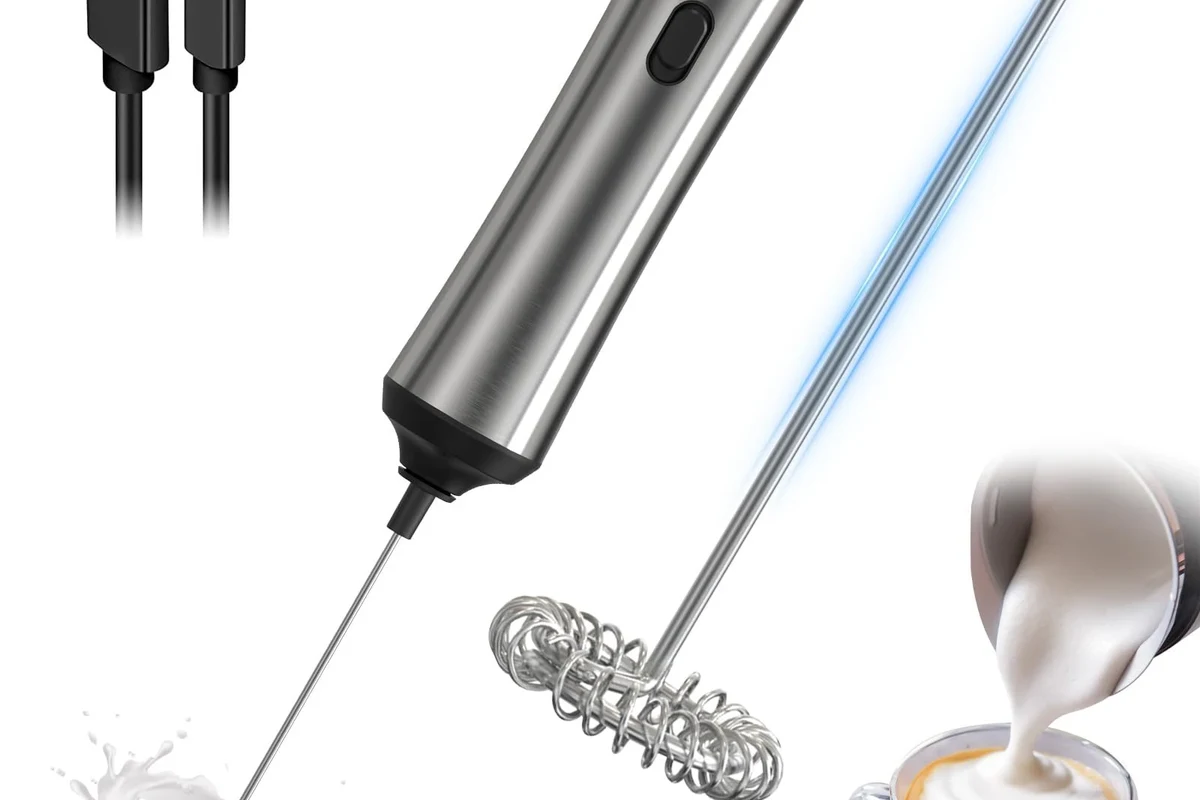
This guide shows the basic steps, the best milk choices, and the common mistakes to avoid.
Most electric frothers do two jobs. They heat milk and add air at the same time, or they make cold foam for iced drinks. The exact controls vary by model, so the manual should always come first.
Start with less milk than you think you need. Foam expands fast, and overfilling causes messes.
What an Electric Milk Frother Does for Coffee
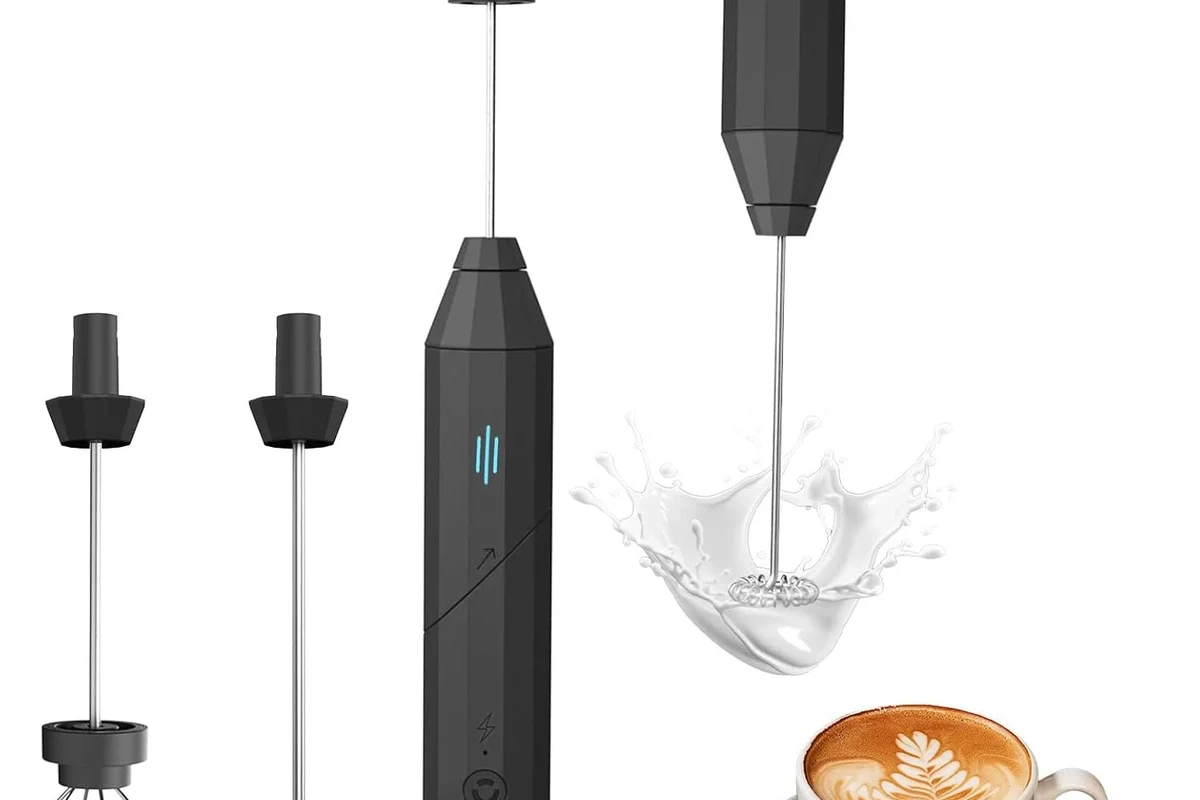
An electric milk frother changes plain milk into a lighter, airier topping or mix-in. That change affects both feel and taste. The drink can seem sweeter, softer, and more balanced, even without extra sugar.
How frothing changes milk texture and taste
Frothing adds tiny air bubbles to milk. Those bubbles make the milk look thicker and feel silkier on the tongue. Heated froth also changes the way the milk blends with coffee, which can soften bitter notes.
That is why a simple cup of coffee can feel more polished with foam. The milk does not only sit on top. It also changes the body of the drink as you sip.
Why home coffee drinks feel café-like with foam
Foam gives a drink a layered look. It also adds a mild sweetness and a creamy finish. For many people, that is enough to make a basic home brew feel special.
Whole milk often makes a richer foam, while lower-fat milk can make lighter foam with bigger bubbles.
How to Use an Electric Milk Frother for Coffee
The basic process is easy. Add milk, choose the right setting, froth, then pour it into your coffee. The best result depends on your model and the milk you use.
Step-by-step guide for hot milk froth
Use the line marked for frothing. Do not fill above it.
Choose the hot foam setting if your model has one.
Let the frother run until it stops on its own.
Pour the milk over coffee right away for the best foam texture.
For hot drinks, timing matters. Fresh foam holds its shape best when you use it right away. If you wait too long, it starts to thin out and sink.
Step-by-step guide for cold foam
Cold foam works well for iced coffee and cold brew. The process is similar, but you skip the heating step. Some frothers have a cold setting, while others use a separate whisk mode.
Cold milk usually gives the best cold foam texture.
Stay below the max line so the foam has room to rise.
Let the frother finish its cycle before opening the lid.
Cold foam sits best on top of chilled drinks.
Some frothers make dense foam, while others make lighter foam. The result depends on the whisk shape, milk type, and settings.
Best milk amounts and fill lines to follow
Always follow the fill marks on your frother. Those marks matter more than guesswork. Froth can rise fast, even when the liquid level looks low at first.
Most frothers work best when you stay under the max line. If you want a bigger drink, froth in two batches instead of crowding the cup.
Never overfill a frother. Hot milk can spill, burn skin, and make cleanup much harder.
Choosing the Right Milk, Coffee, and Add-Ins
The best foam comes from the right mix of milk and coffee style. Some drinks need thick foam. Others work better with a little foam and more liquid milk.
Best milk types for rich foam and stable bubbles
Whole milk often gives the richest taste and a stable foam. Low-fat milk can froth well too, but the foam may feel lighter. Non-dairy milks vary a lot, so check the label for froth-friendly blends.
- Use very fresh milk for better foam structure.
- Try barista-style non-dairy milk for steadier bubbles.
- Keep the milk cold before frothing, unless heating it right away.
How coffee style affects your froth choice
Espresso drinks usually need more foam and less milk. Drip coffee often needs only a light cap of foam. Cold brew pairs well with cold foam because the texture stays bright and smooth.
If you like lattes, use more steamed milk and a thin layer of foam. If you like cappuccinos, use more foam and less liquid milk. That small shift changes the whole drink.
Simple flavor add-ins like cinnamon, cocoa, and syrup
You can add flavor before or after frothing, depending on the ingredient. Cinnamon and cocoa powder mix better if you stir them in first. Syrups also blend well before frothing, but use a small amount so the milk does not get too thin.
Sweeteners can change foam quality a bit. If your foam looks weak, try less syrup next time. A little flavor goes a long way.
Electric Milk Frother Features That Matter Most
Not every frother works the same way. Some focus on simple foam. Others offer heat, cold foam, and more control. The right choice depends on how often you make coffee and how many drinks you serve.
Useful if you want warm drinks without using a stove.
Helpful for switching between cappuccinos, lattes, and iced drinks.
Saves time after daily use and helps prevent milk buildup.
Heating and frothing settings to look for
Look for settings that match your drink habits. A hot foam mode helps with lattes and cappuccinos. A cold foam mode helps with iced coffee. Some models also offer simple warm milk without much foam.
That flexibility matters if you switch drinks often. If you only make one style, a basic model may be enough.
Capacity, whisk design, and speed differences
Capacity controls how much milk you can make at once. That matters for families or anyone serving more than one cup. Whisk design also matters because it changes bubble size and foam texture.
Speed is usually built into the model, so you may not control it directly. Instead, focus on whether the frother makes the kind of foam you like.
Noise, ease of use, and cleanup features
A quieter frother feels nicer in a small kitchen. Easy controls also help when you are making coffee early in the morning. Removable whisks and smooth interiors can make cleaning much easier.
- Check the fill line and milk capacity
- Look for hot and cold foam options
- Review cleaning steps in the manual
- Confirm safety details and warranty terms
Benefits and Limits of Using a Milk Frother at Home
A frother can make coffee faster and more fun. It also gives you better control over texture than pouring plain milk. Still, it is not the perfect tool for every drink or every kitchen.
Why it saves time and improves drinks
An electric frother is quick. You do not need a steam wand, a saucepan, or much skill. That makes it a smart pick for busy mornings.
- Makes coffee drinks feel richer at home
- Saves time compared with stove-top milk prep
- Helps you build café-style drinks with less effort
When a frother may not be the best choice
A frother may not suit large drinks or big families. Some models only handle small milk amounts at once. If you want full control over steam pressure and texture, a true espresso machine may be a better fit.
Also, some non-dairy milks do not foam well in every frother. If you use oat, almond, or soy milk often, check the brand’s froth notes before you buy.
Common Mistakes and How to Avoid Them
Most frother problems come from small setup errors. The good news is that many of them are easy to fix. A few careful habits can improve the result right away.
Overfilling the frother or using the wrong milk
Overfilling is one of the most common mistakes. It leads to spills and weak foam. Using milk that does not froth well can also leave you with thin bubbles.
The frother spills or the foam looks weak.
Use less milk, stay under the max line, and try a better-frothing milk.
Getting weak foam, scorching milk, or spills
Weak foam often happens when the milk is too warm before frothing or when the whisk is not seated right. Scorching can happen if the unit runs too long or if the model has a hot spot. Spills usually point to overfilling or a lid that is not closed well.
If the milk smells burnt, stop using it and clean the unit after it cools. If the machine keeps overheating or behaving oddly, follow the manual and stop using it until you can check for damage.
Fixes for foam that falls fast or looks thin
Foam that falls fast may need colder milk, a different milk type, or a shorter wait before pouring. Thin foam can also mean the milk had too much water or the frother did not get enough air into it.
- Use fresh milk and the right fill line
- Pour foam right after the cycle ends
- Clean the whisk after each use
- Leaving milk in the unit for hours
- Using damaged parts or a loose lid
- Running the frother beyond the manual’s guidance
Cleaning, Care, and Safety Tips
Good cleaning keeps milk taste fresh and helps the frother last longer. It also lowers the chance of buildup around the whisk and inside the cup. With hot milk, safety matters just as much as taste.
How to clean the frother after each use
Clean the frother soon after use, once it is safe to touch. Many models need a quick rinse, a soft wipe, or a wash of the removable parts. Always follow the manual for parts that can go in water or the dishwasher.
Rinse or wipe the cup, lid, and whisk as directed by the manual.
Check for milk film, wear on the whisk, and any buildup near moving parts.
Basic care to protect the whisk and heating base
Do not scrub the whisk too hard. That can bend or wear it down. Keep the base dry unless the manual says it can handle moisture. If a part looks loose or cracked, replace it with the maker’s approved part.
Safety steps for hot milk and electrical parts
Hot milk can burn skin fast. Use care when opening the lid and pouring. Keep cords, plugs, and the base dry, and place the frother on a stable counter.
Follow the appliance manual and stop using damaged equipment.
Value, Final Recommendation, and Best Use Cases
An electric milk frother is a smart buy if you want better coffee with very little effort. It gives you café-style foam without a big machine or a long learning curve. The best model for you depends on how often you use it and what drinks you make.
Who should buy an electric milk frother
It is a great fit for home coffee drinkers who want lattes, cappuccinos, or iced foam drinks. It also suits small kitchens, because most frothers take up less space than larger espresso gear.
Best for small kitchens and quick single drinks.
Best for more than one cup or frequent use.
When a simple model is enough and when to upgrade
A simple model is enough if you want basic hot foam and easy cleanup. Upgrade if you want more control, larger batches, or both hot and cold foam.
A basic frother should handle that well.
Choose a model with more settings and easier cleanup.
Final verdict for home coffee drinkers in 2026
For most people, an electric milk frother is one of the easiest ways to improve coffee at home. It is quick, simple, and useful for both hot and cold drinks. If you want better foam with less effort, it is a strong choice. If you need large batches or full espresso-style steaming, look at a bigger machine instead.
An electric milk frother is a practical, low-fuss upgrade for everyday coffee. Choose a basic model for simple foam and easy cleanup, or upgrade if you want more drink options and larger capacity.
- Use the right fill line and milk type for better foam.
- Pour foam right away for the best texture.
- Clean the frother after each use to protect flavor and parts.
- Pick features based on your drink habits, not just extra settings.
Frequently Asked Questions
Use the fill line marked on your model. Most frothers need extra space because milk expands as it foams.
Yes, but results vary by brand and formula. Barista-style oat, soy, or almond milk often froths better than standard versions.
The milk may be too warm, the frother may be overfilled, or the milk type may not hold bubbles well. Pour the foam right away for the best result.
Let it cool first, then clean it the way the manual says. Many models need a quick rinse or wipe, but some parts may be dishwasher-safe only if the maker says so.
Lattes, cappuccinos, macchiatos, and iced coffee drinks all work well. The best foam level depends on the drink style and your taste.
Stop using it if you see damage, smell burning, hear unusual sounds, or notice repeated overheating. Check the manual and replace or service the unit as directed.