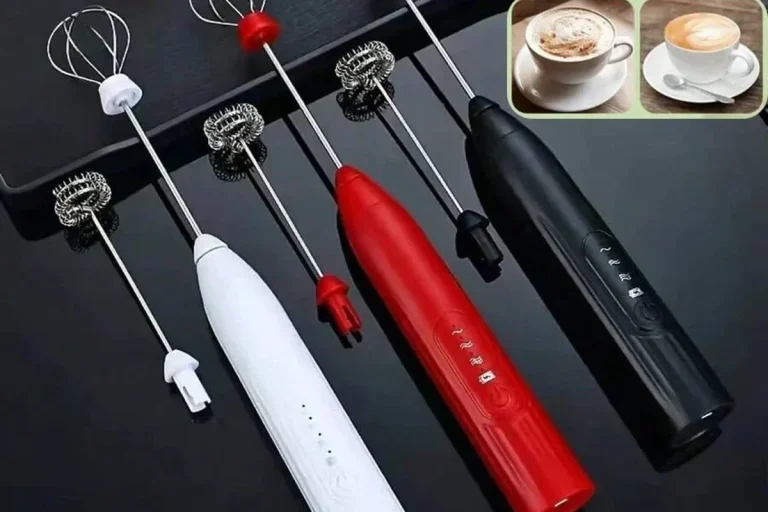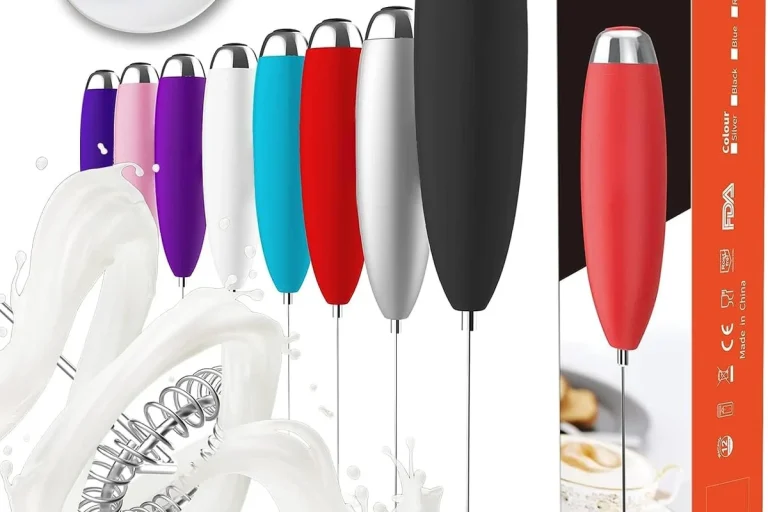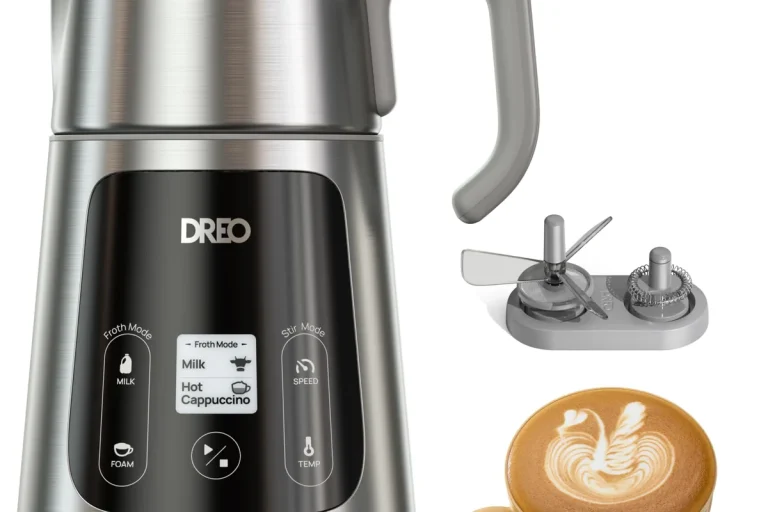
Does an Electric Milk Frother Heat Milk or Just Froth

Yes, some electric milk frothers heat milk, but many only froth it. Check the model specs so you know which one you’re getting.
An electric milk frother can heat milk, but not every model does. Some only froth cold milk, while others warm it and froth it at the same time.
- Heated vs. froth-only: Not every electric frother warms milk.
- Specs matter: The manual should say if it heats, froths, or both.
- Best use: Heated frothers suit lattes, cappuccinos, and hot chocolate.
- Common limits: Most frothers warm milk, but they usually do not boil it.
Does an Electric Milk Frother Heat Milk or Just Froth?
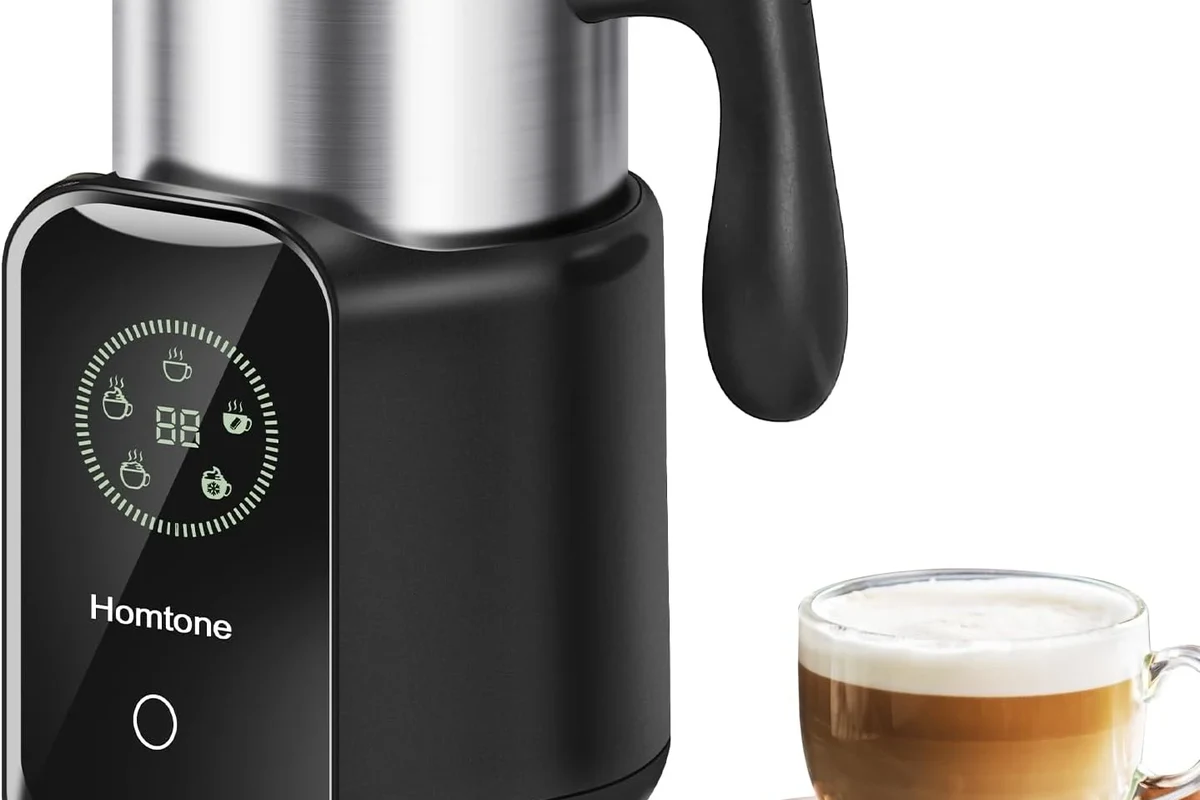
The short answer is that it depends on the model. Many electric milk frothers do both jobs, but some are froth-only tools.
If you want warm foam for lattes or hot chocolate, check the product specs before you buy. The manual should say whether the frother heats, froths, or offers both modes.
The short answer for busy home cooks
Some frothers heat milk to a warm serving temp. Others spin milk into foam without adding heat.
That means you may need to warm the milk first if you buy a basic model. In short: the label matters more than the product shape.
What “heated” really means in frother specs
“Heated” usually means the frother warms milk while it whisks. It does not always mean the milk gets very hot.
Most home frothers aim for a drink-ready temperature, not a boil. That helps protect texture and keeps the foam smoother.
Heating claims can vary by brand and model. Always check the manual, since some units only warm a small batch.
How an Electric Milk Frother Works
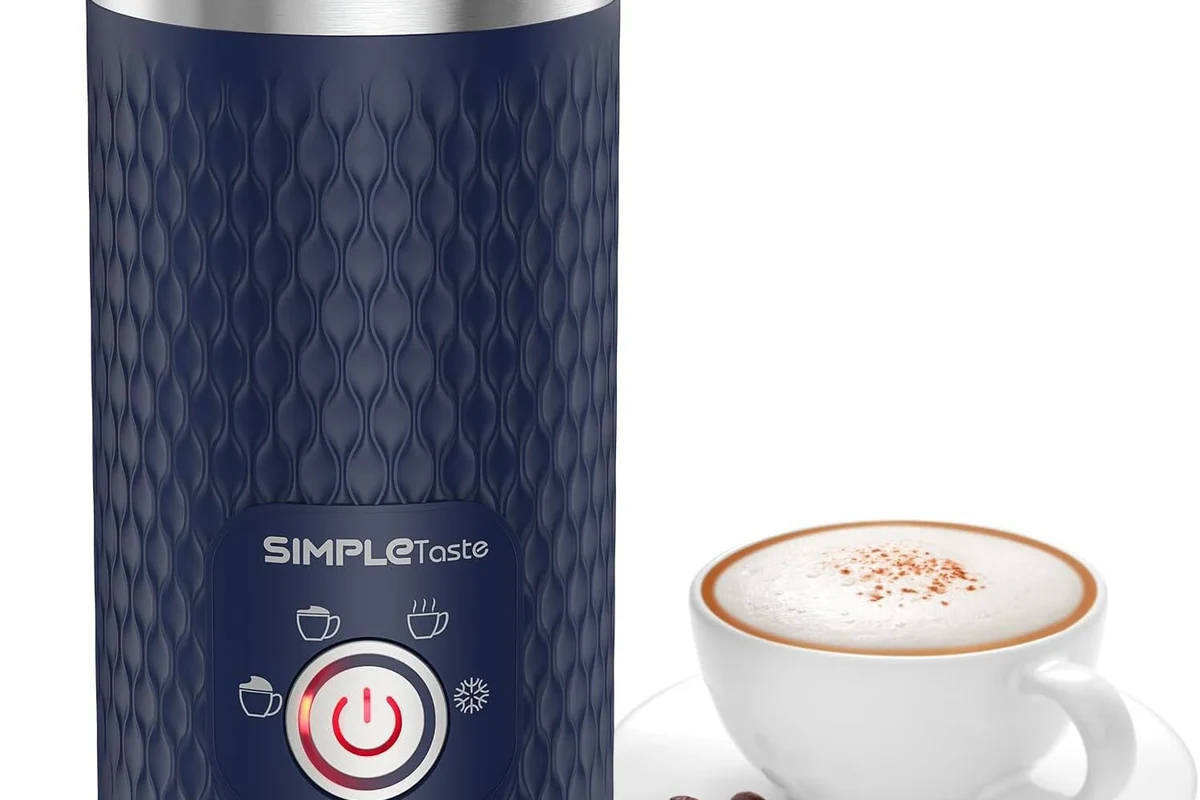
An electric frother uses a small whisk or spinning disk. That motion pulls air into the milk and builds foam.
When the unit has heat, it also warms the milk as it spins. The result is a mix of foam and hot milk in one cup.
Whisking, air, and heat in simple terms
Foam forms when air gets trapped in milk. The whisk breaks up the milk and makes tiny bubbles.
Heat changes the milk too. Warm milk tends to foam faster and feel softer in drinks.
Milk with some protein and fat usually makes better foam than very thin milk.
Frothers with heat settings vs. froth-only models
Frothers with heat settings usually give you more control. You may see options for warm foam, cold foam, or simple heating.
Froth-only models are simpler. They work well if you already heat milk another way.
Warms milk and makes foam in one step.
Focuses on foam and leaves heat to you.
Why some models warm milk more than others
Different frothers use different heat limits and cycle times. That changes how warm the milk feels at the end.
Milk type, fill level, and starting temperature also matter. Cold milk from the fridge will usually need more time than milk at room temp.
What to Look for Before You Buy
Before you choose a frother, think about how you drink coffee at home. The best model for cold foam fans is not always best for latte lovers.
- Heating and froth modes
- Milk capacity and foam style
- Easy cleaning and safe materials
- Warranty and value
Heating range and temperature control
Look for clear heat settings if you want warm drinks. Some frothers offer one warm mode, while others offer more choice.
Good temperature control helps you avoid scalded milk. It also helps keep foam light instead of thin and flat.
Milk capacity and foam type
Capacity matters more than many shoppers expect. A small frother may be fine for one mug, but not for two drinks.
Also check the foam style. Some models make thick foam for cappuccinos, while others make a lighter texture for lattes.
Material, build quality, and ease of use
Stainless steel jugs often feel sturdy and clean up well. Plastic parts can still work fine, but they may show wear faster.
Simple controls help on busy mornings. If the buttons are clear, you’re less likely to pick the wrong setting.
Price, value, and warranty basics
Price alone does not tell you much. A cheap frother can be fine for light use, while a sturdier model may suit daily drinks better.
Check the warranty terms before you buy. They can vary a lot by brand, seller, and region.
Best Ways to Use a Milk Frother at Home
A milk frother is most useful when you match it to the drink. That small choice can change both taste and texture.
For lattes, cappuccinos, and hot chocolate
Lattes need smooth, fine foam. Cappuccinos usually need thicker foam with more lift.
For hot chocolate, a heated frother can mix milk and cocoa more evenly. It can also keep the drink from cooling too fast.
Warm the cup first if you want your drink to stay hot longer.
For dairy and non-dairy milk
Whole milk often gives rich foam. Lower-fat milk can foam too, but the texture may feel lighter.
Non-dairy milk varies a lot. Barista-style versions usually foam better than standard cartons.
How to get the best foam texture
Start with fresh milk and the right fill level. Too little or too much milk can hurt the result.
Use the setting that matches your drink. If your frother has a cold foam mode, save it for iced drinks.
- Use cold milk for more foam in many models.
- Leave room for foam to expand.
- Choose the right setting for each drink.
Common Mistakes That Affect Heat and Foam
Many frother problems come from simple setup mistakes. The good news is that most are easy to avoid.
Using the wrong milk type
Very thin milk may not foam well. Some plant milks also separate or stay flat.
If you want better results, try a milk made for frothing. The best choice often depends on the brand and recipe.
Overfilling the frother
Too much milk leaves no space for foam. It can also make the frother spill or shut off early.
Follow the fill line in the manual. That line is there for a reason.
Expecting boiling hot milk
Most frothers do not boil milk. They heat it to a drink-friendly level instead.
That is usually a good thing. Milk that gets too hot can taste cooked and foam less well.
Skipping the right froth setting
Some users press the wrong button and expect the wrong result. A cold foam setting will not act like a hot one.
Take a moment to learn the icons before your first cup. It saves time later.
The milk is warm, but the foam looks thin.
Use less milk, check the whisk, and pick the correct foam setting.
Safety, Cleaning, and Maintenance Tips
Heat and milk can create mess fast. Good care helps the frother last longer and work better.
How hot is too hot for milk frothers
Follow the manual for safe heat limits. The right range depends on the model.
As a rule, stop using the frother if milk smells burnt or the unit seems too hot to handle safely.
Never leave a frother running unattended. Stop use at once if you smell burning, see smoke, or notice damaged parts.
Cleaning after each use
Clean the jug, lid, and whisk after every use if the manual allows it. Milk residue can build up fast.
Dry parts fully before storage. That helps reduce odor and wear.
Keeping the whisk and jug in good shape
Check the whisk for buildup or bending. A worn whisk can make weak foam.
Also inspect the jug and base for cracks or loose parts. If anything looks damaged, stop using it.
Rinse or wash removable parts right away.
Check the whisk, seals, and heating surface for wear.
Follow the appliance manual and stop using damaged equipment.
Is an Electric Milk Frother Worth It?
For many home cooks, yes. It saves time and gives you café-style foam with very little effort.
Still, it is not the best tool for every kitchen. Your drink habits should guide the choice.
Who should buy one
An electric frother makes sense if you drink lattes, cappuccinos, or hot cocoa often. It also helps if you want quick cleanup and simple use.
It can be a smart pick for small kitchens too. One tool can do a lot without taking much space.
When a steam wand or saucepan may be better
A steam wand may suit people who want more control and larger drink volume. It can also work well in espresso setups.
A saucepan may be enough if you only heat milk now and then. It costs less, but it takes more attention.
Heated electric milk frother
For most home users, a heated frother offers the best mix of speed, foam, and ease. Froth-only models still make sense if you already heat milk another way.
Final recommendation for Red Kitchen Project readers
If you want a simple answer, choose a heated frother if you make warm drinks often. Choose a froth-only model if you only need foam and want a lower-cost option.
Before buying, check the manual, milk capacity, cleaning steps, and warranty. Those details matter more than flashy extras.
An electric milk frother can heat milk, but only if the model supports that function. For most shoppers, a heated frother is the better all-around choice, while froth-only models fit simple foam needs.
Frequently Asked Questions
No. Some frothers heat and froth at the same time, while others only froth. Check the manual or product specs before you buy.
Usually no. Most home frothers warm milk to a drink-ready level, not a boil.
Whole milk often makes rich foam, but many non-dairy barista milks also work well. Results vary by brand and recipe.
The milk type, fill level, whisk condition, or wrong setting may be the cause. Try the correct mode, avoid overfilling, and check the whisk.
Follow the manual and clean removable parts after each use if allowed. Dry everything fully before storage and stop using damaged parts.
Yes, if you make lattes, cappuccinos, or hot chocolate often. A froth-only model may be enough if you already heat milk another way.