What Is Squid Ink Pasta and Why It Tastes So Good

Squid ink pasta is pasta made with squid ink for color and a mild briny taste. It works best with simple seafood or cream sauces.
Squid ink pasta is pasta made with squid ink mixed into the dough or added as a coating. It turns the noodles black and gives them a mild briny taste that pairs well with seafood, butter, and cream sauces.
- What it is: Pasta colored and flavored with squid ink.
- Taste: Savory, briny, and mild when made well.
- Best pairings: Seafood, garlic, lemon, butter, and light cream.
- Buyer tip: Check labels for real ink and allergy notes.
- Cooking tip: Avoid heavy sauces and overcooking.
What Is Squid Ink Pasta? A Simple Definition
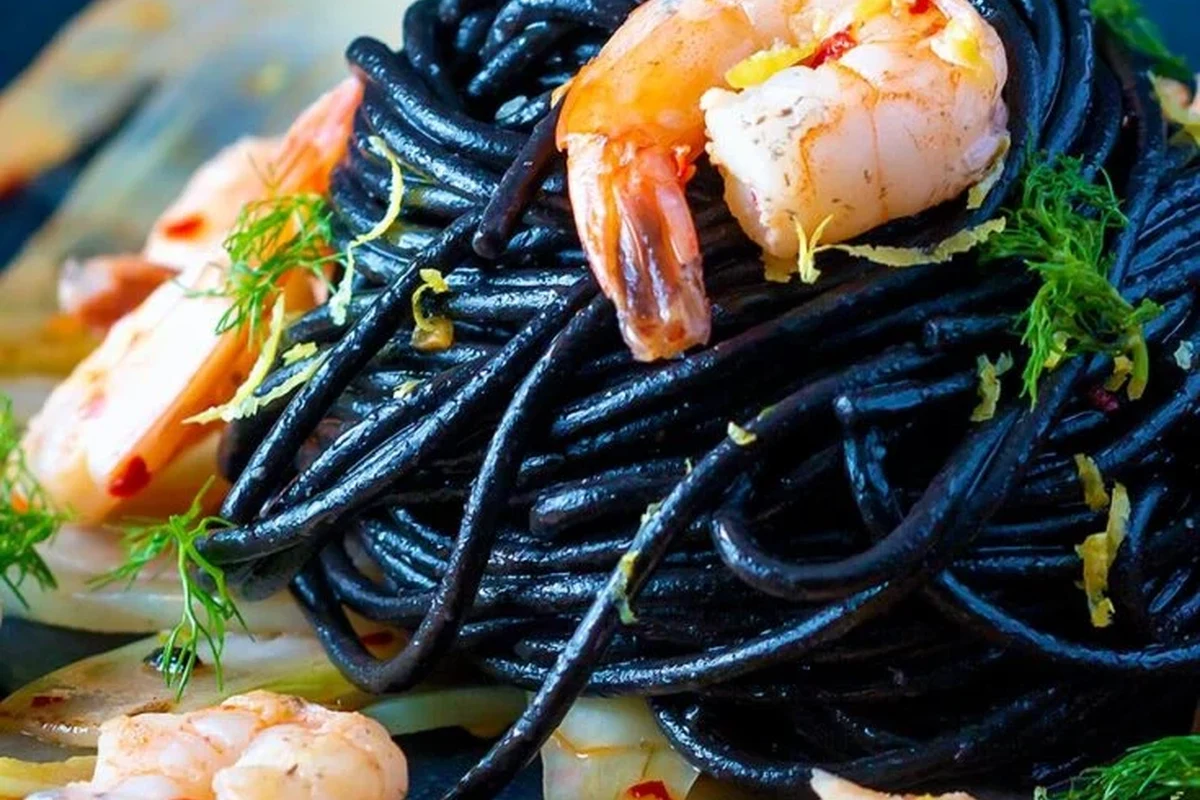
Squid ink pasta is regular pasta with squid ink added for color and flavor. You’ll see it as spaghetti, linguine, fettuccine, or stuffed pasta, depending on the brand or recipe.
It looks dramatic on the plate, but the idea is simple. The ink adds a dark color and a subtle ocean-like taste.
What the black color really comes from
The black color comes from the ink sac of squid or cuttlefish. Cooks have used it for a long time in coastal food traditions.
The ink is usually mixed into fresh pasta dough or blended into a sauce. It can also be used to tint dried pasta.
Squid ink does more than color pasta. It also adds a salty, savory note that many cooks describe as ocean-like.
How squid ink pasta differs from regular pasta
Regular pasta tastes mild and neutral. Squid ink pasta has a deeper flavor and a richer look.
It can also feel a little more delicate if it’s fresh pasta. Dried versions often taste closer to standard pasta, with just a light seafood note.
Flavor and texture vary a lot by brand. Always check whether the pasta is fresh, dried, or made with added seasoning.
Why Squid Ink Pasta Tastes So Good
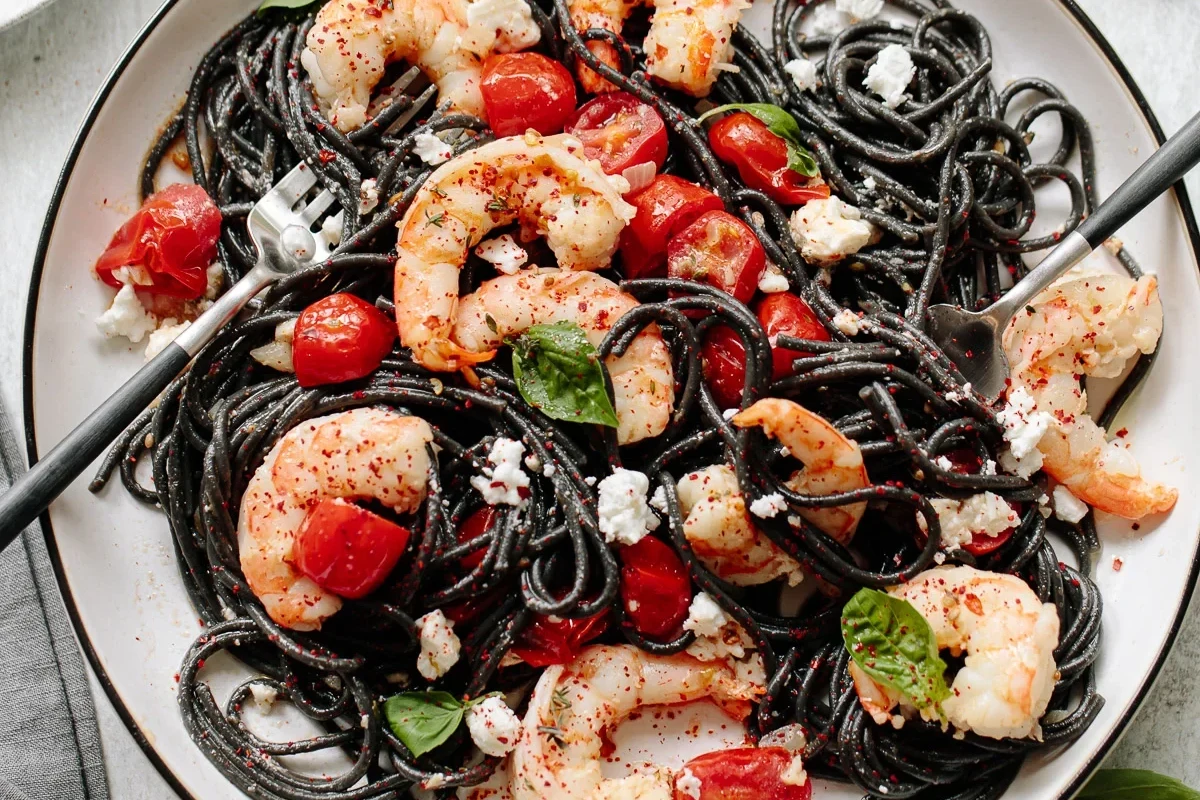
People love squid ink pasta because it tastes savory without being too strong. It gives you a seafood-friendly base that still feels smooth and familiar.
That balance makes it easy to serve for dinner guests. It feels special, but it’s not hard to enjoy.
The flavor profile in plain terms
Think of the taste as salty, briny, and lightly rich. Some people notice a faint taste of the sea.
It should not taste fishy in a bad way. When it does, the pasta or ink may be low quality, old, or poorly balanced.
It adds depth without drowning out the sauce.
It brings a clean ocean taste that works with seafood.
The black color makes simple meals look more elegant.
Why seafood and creamy sauces work so well
Seafood and squid ink pasta match because they share the same flavor family. Shrimp, scallops, crab, and clams all fit naturally.
Creamy sauces also work because they soften the briny edge. A little butter, garlic, and cream can make the dish taste round and smooth.
Use a light hand with strong seasonings. Squid ink pasta already brings a deep savory taste.
What Squid Ink Pasta Is Made Of
Most squid ink pasta starts with the same basic pasta ingredients. The main difference is the ink.
That means the final result depends on the flour, eggs, water, and ink quality used by the maker.
Common ingredients in the pasta dough
Fresh squid ink pasta often includes flour, eggs, salt, and squid ink. Some recipes also use olive oil or water.
Dried pasta may use semolina flour and squid ink. In some products, the ink is in the sauce packet instead of the noodles.
Eggs or water
Squid ink
Salt
What to look for on the label
Check the ingredient list first. You want to know whether the product uses real squid ink or artificial color.
Also look for allergen notes. Some products may contain shellfish, eggs, or wheat.
- Real squid ink or not
- Fresh or dried pasta
- Allergen information
- Serving size and storage needs
How Squid Ink Pasta Is Used in Cooking
Squid ink pasta works best when you keep the sauce simple. The pasta should stay the star.
That makes it a great choice for quick dinners and special meals alike.
Best sauce pairings for home cooks
Garlic, olive oil, butter, lemon, and white wine all fit well. Tomato sauces can work too, but keep them light.
Seafood sauces are the classic match. Cream sauces are a close second because they add body without hiding the pasta.
- Use simple sauces with clean flavors
- Add seafood, lemon, or herbs
- Taste before adding extra salt
- Using too many heavy ingredients
- Overpowering the pasta with spice
- Masking the ink flavor with rich sauces
Easy recipe ideas for weeknight meals
Try squid ink pasta with shrimp, garlic, and parsley. You can also serve it with scallops and a little lemon butter.
For a meatless meal, use olive oil, roasted cherry tomatoes, and basil. A small amount of parmesan can work if the sauce stays light.
- Reserve a little pasta water for the sauce.
- Cook seafood separately if it needs a shorter time.
- Finish the pasta in the pan for better flavor.
Benefits and Limits of Squid Ink Pasta
Squid ink pasta has clear upsides for home cooks. It looks special, tastes balanced, and works in many seafood dishes.
Still, it’s not the right fit for every meal or every eater.
What makes it a smart choice for special meals
It gives you a restaurant-style look with very little effort. That’s handy when you want dinner to feel a bit more polished.
It also helps simple ingredients feel more exciting. A plain shrimp pasta can suddenly look like a date-night dish.
- Striking color with little extra work
- Pairs well with seafood and light sauces
- Feels fancy without complex prep
Where it can fall short
Some people don’t like the briny note. If you want a very neutral pasta, this may not be your best pick.
It can also stain hands, cloths, and cutting boards. Fresh pasta may need more care during storage and cooking.
If you have shellfish allergies, check labels with care. Squid ink pasta may contain shellfish or be made in shared facilities.
Common Mistakes When Cooking Squid Ink Pasta
Most problems come from treating it like plain pasta. A little care goes a long way.
If you keep the sauce balanced and watch the cook time, the dish usually turns out much better.
Overcooking and sauce balance issues
Overcooked squid ink pasta can turn soft fast, especially if it’s fresh. Check it early and taste it near the end.
Another common issue is too much sauce. Heavy sauce can hide the flavor and make the dish feel muddy.
The pasta turns mushy or loses its bite.
Start checking doneness a little early and finish the pasta in the sauce.
Buying low-quality pasta or ink products
Low-quality products can taste flat or overly salty. Some may use weak color or too much added flavor.
Look for clear ingredient lists and trusted makers. If the label is vague, that’s usually a warning sign.
Follow package directions for cooking and storage. Stop using any product that smells off, looks spoiled, or has damaged packaging.
Safety, Storage, and Value in 2026
In 2026, shoppers have more pasta choices than ever. That makes it easier to find squid ink pasta, but also easier to buy a weak version.
Focus on safety, freshness, and ingredient quality more than flashy packaging.
Allergy and dietary notes to keep in mind
Squid ink pasta is not vegan. It also may contain wheat, eggs, fish, or shellfish, depending on the product.
If you cook for guests, ask about allergies before serving it. When in doubt, read the full label and the manufacturer’s allergen note.
Diet needs can vary by brand and region. Always check the exact package you plan to use.
How to store it and judge the price
Store dry pasta in a cool, dry place. Keep fresh pasta chilled and use it by the date on the package.
As for value, judge it by ingredient quality and how you plan to use it. A pricier pasta can be worth it for a special dinner, but a basic one may be fine for weeknights.
Varies by brand, format, and ingredient quality
Depends on whether the pasta is fresh or dried
Final Recommendation: Should You Try Squid Ink Pasta?
Yes, if you like seafood flavors or want a pasta that feels a little special. It’s one of the easiest ways to make dinner look and taste more refined.
If you prefer very mild pasta, you may want to start with a small portion first. That way, you can see whether the flavor fits your taste.
Who will love it most
Seafood fans will get the most out of squid ink pasta. It also suits home cooks who want a fast meal with a dramatic look.
It’s a strong pick for date nights, dinner parties, and simple recipes that need a little wow factor.
Squid Ink Pasta for Simple Seafood Meals
Choose a version with clear ingredients and a trusted maker. The best options keep the flavor clean, not overly salty, and pair well with light sauces.
Best way to start if you are new to it
Start with a simple dish like squid ink spaghetti with garlic, olive oil, and shrimp. Keep the sauce light and the seasoning modest.
That approach lets you taste the pasta on its own. If you enjoy it, you can build from there with cream, herbs, or shellfish.
Squid ink pasta is a smart choice for cooks who want bold color and a mild savory taste. If you want the best first try, keep the sauce simple and let the pasta lead.
Frequently Asked Questions
It tastes savory, salty, and lightly briny. Most people describe it as a mild ocean-like flavor, not a strong fish taste.
Often, yes. Some products use real squid ink, while others may use coloring or flavoring, so the label matters.
Seafood, garlic, butter, lemon, and light cream sauces all work well. Keep the sauce simple so the pasta flavor stays clear.
Not always. It may contain wheat, eggs, fish, or shellfish, so check the label carefully before serving it.
Store dried pasta in a cool, dry place. Keep fresh pasta chilled and use it by the package date.
Cook it like regular pasta, but check the texture a little early. Finish it in a light sauce with seafood or butter for the easiest first try.