Is Whole Wheat Pasta Healthy Benefits and Facts

Yes, whole wheat pasta is healthy for most people. It works best when you keep portions reasonable and pair it with vegetables and protein.
Yes, whole wheat pasta can be a healthy choice for many people. It usually gives you more fiber and more nutrients than white pasta. The real answer still depends on your portion size, sauce, and overall diet.
- More fiber: Whole wheat pasta usually keeps you full longer.
- Better balance: It fits well with vegetables, beans, and lean protein.
- Label matters: Look for whole wheat flour as the first ingredient.
- Watch portions: Sauce and serving size affect health more than people think.
Is Whole Wheat Pasta Healthy? The Short Answer for 2026
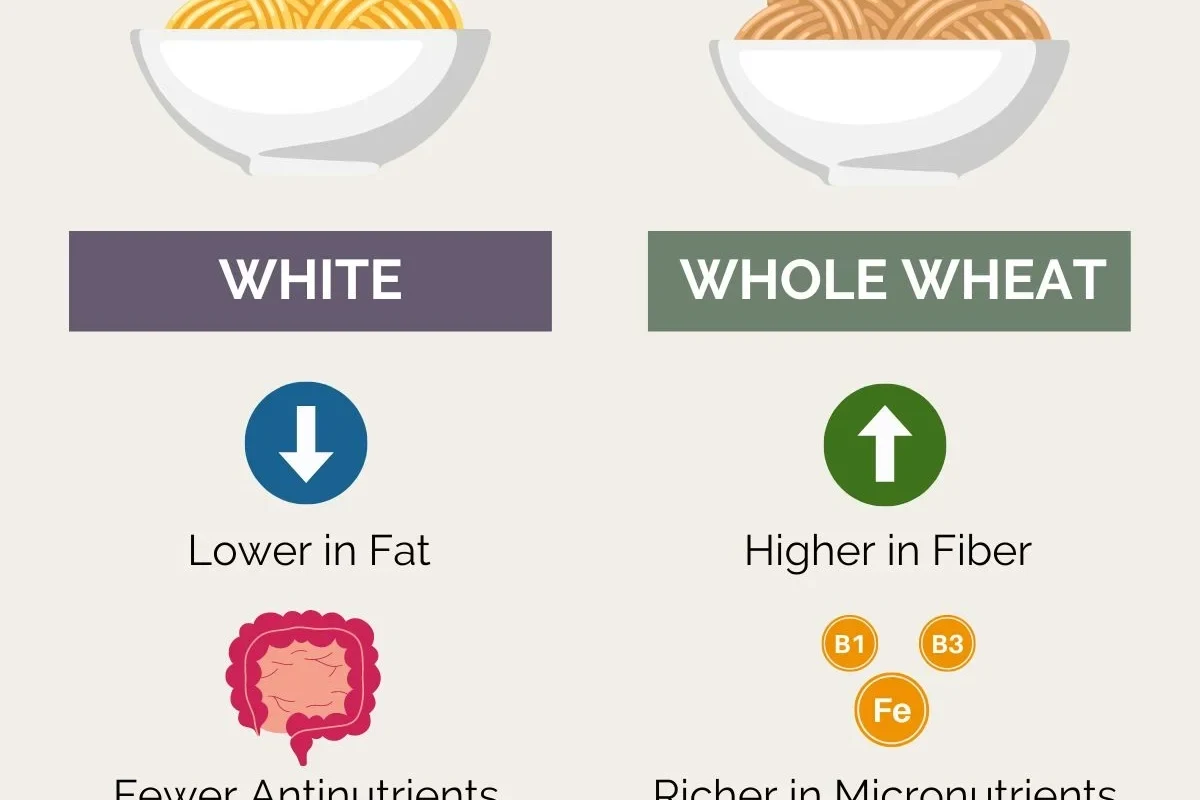
For most home cooks, whole wheat pasta is a solid everyday carb. It can help you feel full longer and may support steadier energy than refined pasta.
That said, it is not magic food. If you load it with heavy cream sauce and oversized portions, it can still be a high-calorie meal.
- Whole wheat pasta is often healthier than white pasta.
- It works best in balanced meals with vegetables and lean protein.
- Portion size and sauce matter as much as the pasta itself.
What Whole Wheat Pasta Is and How It Differs from White Pasta
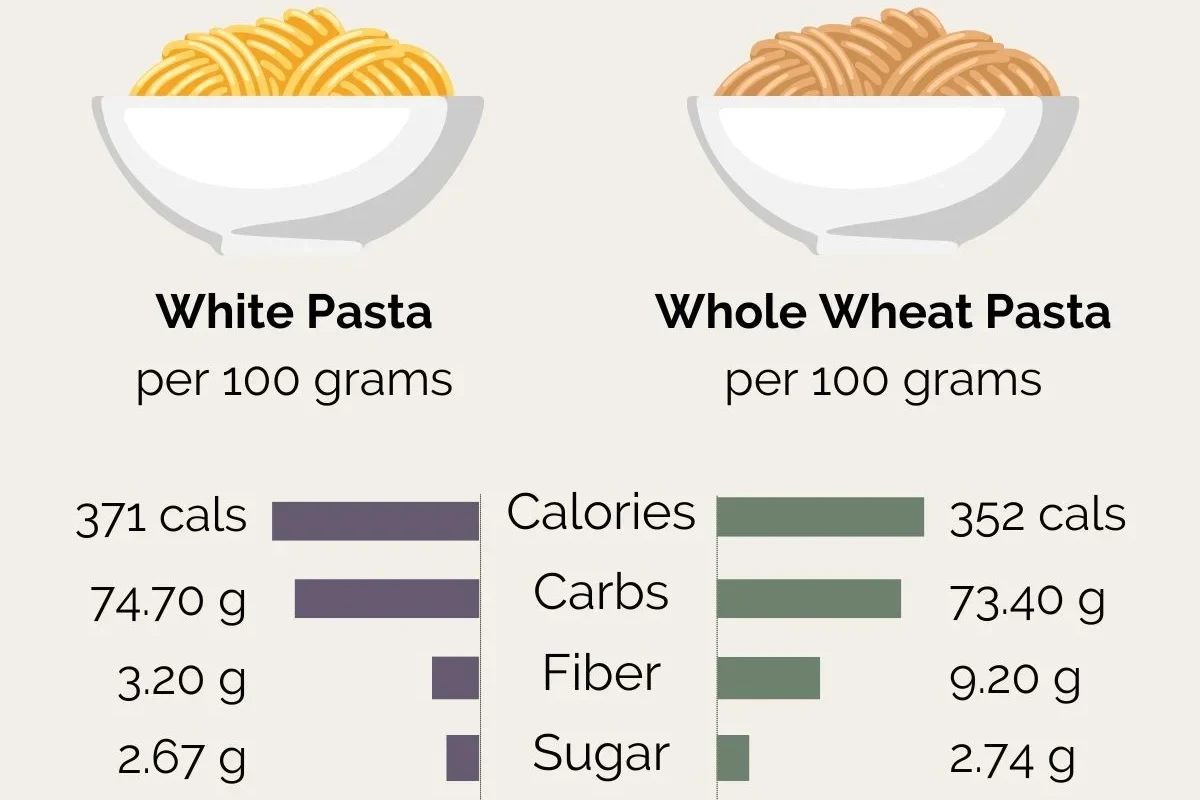
Whole wheat pasta comes from whole grain wheat flour. That means it keeps more of the grain intact, including the bran and germ.
White pasta usually uses refined flour. During refining, part of the grain gets removed, which lowers fiber and some nutrients.
How whole wheat flour changes the grain
Whole wheat flour keeps the grain closer to its natural form. That change matters because the bran adds fiber, and the germ adds helpful nutrients and healthy fats.
This also changes taste and texture. Whole wheat pasta often feels firmer and tastes a bit nuttier than white pasta.
Whole grains keep the bran, germ, and endosperm. Refined grains usually keep only the endosperm.
What to look for on the ingredient label
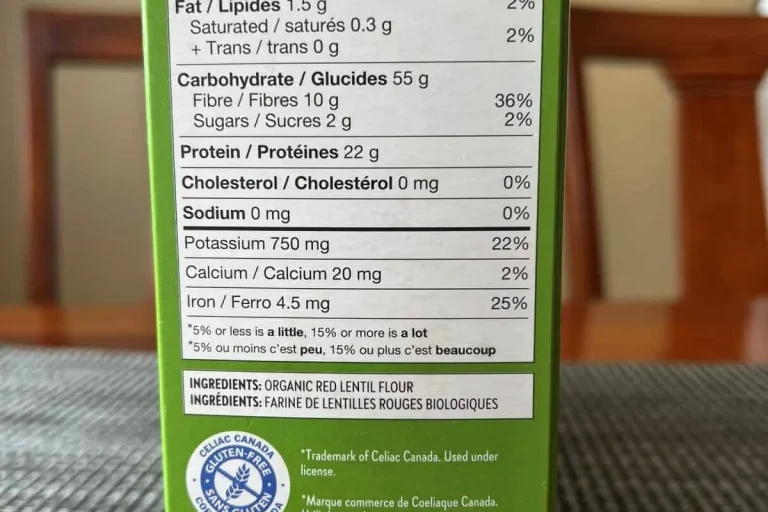
Check the first ingredient. It should say whole wheat flour or whole durum wheat flour.
Some boxes mix whole wheat with refined flour. That can still taste good, but it may not give you the same fiber boost.
- Whole wheat flour should be the first ingredient
- Look for simple ingredient lists when possible
- Check for added sodium or odd fillers
Whole Wheat Pasta Nutrition Facts That Matter Most
The most useful nutrition points are fiber, protein, and total carbs. Those three affect fullness, energy, and how the meal fits your day.
Exact numbers vary by brand and shape, so always read the label. Dry pasta and cooked pasta also look different on a nutrition panel.
Fiber, protein, and carbs
Whole wheat pasta usually has more fiber than white pasta. Fiber helps slow digestion, which can help you stay full longer.
It also has some protein. That makes it a little more filling than many refined grain pastas.
- More fiber than many refined pastas
- Some extra protein for better fullness
- Useful source of steady carbs for active days
Key vitamins and minerals
Whole wheat pasta can provide B vitamins, iron, magnesium, and zinc. The exact amount depends on the brand and whether the pasta is enriched.
These nutrients help with energy use, muscle function, and general body care. Pasta alone will not cover everything, but it can help.
Main Health Benefits of Whole Wheat Pasta
Whole wheat pasta can fit into a healthy meal plan in a simple, practical way. It gives you a familiar comfort food with more nutrition than standard white pasta.
That makes it useful for busy weeknights, meal prep, and family dinners.
Better fullness and steadier energy
Fiber slows digestion. That can help prevent the quick hunger crash some people feel after eating refined pasta.
If you often get hungry soon after dinner, whole wheat pasta may help. It is a small change that can make a meal feel more satisfying.
Heart and gut health support
Whole grains are often linked with better heart health when they replace refined grains. The fiber may also help support healthy digestion.
That does not mean pasta is a cure or a health food on its own. It means the grain choice can support a better overall pattern.
Health results depend on the full meal plan, not just one food. Whole wheat pasta helps most when it replaces refined grains often.
Why it can fit a balanced diet
Whole wheat pasta is flexible. You can pair it with vegetables, beans, chicken, tuna, tofu, or olive oil.
That makes it easy to build a balanced plate without giving up comfort food. For many people, that balance is what makes it sustainable.
Limits, Drawbacks, and Who Should Be Careful
Whole wheat pasta is not the best fit for everyone. Some people dislike the taste, and others have digestion or gluten issues.
It can also become less healthy fast if portions get too large or the sauce is too rich.
When whole wheat pasta may not be the best choice
Some kids and picky eaters prefer the softer taste of white pasta. If whole wheat pasta causes the whole meal to be rejected, a mix may work better.
People with certain medical diets may also need different grain choices. In those cases, follow advice from a health professional.
Gluten concerns and digestion issues
Whole wheat pasta still contains gluten. So it is not safe for people with celiac disease or wheat allergy.
Some people also feel bloated or heavy after eating a lot of whole grains. If that happens, start with a smaller serving and see how your body responds.
If you have celiac disease, a wheat allergy, or a gluten issue, choose a safe gluten-free pasta instead.
Portion size and sauce choices
A healthy pasta dish can turn heavy fast. The pasta is only part of the picture.
Try to keep portions reasonable and add vegetables or protein. Watch out for heavy cheese sauces, butter-heavy mixes, and lots of processed meat.
- Use half pasta and half vegetables for a lighter bowl
- Choose tomato, olive oil, or broth-based sauces often
- Add beans, chicken, or fish for more balance
How to Choose the Best Whole Wheat Pasta
Not all whole wheat pasta tastes the same. Shape, brand, and ingredient quality can change the final meal a lot.
If you want better results, think about texture first, then match the shape to the sauce.
Ingredient quality and texture tips
Look for a short ingredient list. Whole wheat flour and water are common basics.
Some brands hold their shape better than others. If you dislike mushy pasta, choose a brand known for firmer texture and cook it carefully.
Best shapes for different meals
Long shapes like spaghetti work well with simple sauces. Short shapes like penne or rotini hold chunky sauces and vegetables better.
If you make baked pasta, choose a shape that keeps its bite after cooking. That helps the dish stay pleasant, not soggy.
Price, value, and store-brand options
Store brands can be a good value. In many kitchens, the best choice is the one that tastes good and fits your budget.
You do not need the most expensive box to get a healthy meal. A good label and proper cooking matter more.
Common Mistakes People Make with Whole Wheat Pasta
Most problems come from cooking and serving habits, not the pasta itself. A good box can still taste bad if it is handled poorly.
Here are the two mistakes I see most often in home kitchens.
Overcooking and poor sauce pairing
Whole wheat pasta can go from firm to soft quickly. Overcooking makes the texture dull and can bring out a bitter note.
It also needs the right sauce. A light sauce may not cling well, while a thick sauce can bury the grain flavor.
The pasta tastes mushy or dry.
Cook it just until tender and save a little pasta water for the sauce.
Using it as a health fix without balance
Whole wheat pasta helps, but it cannot fix an unbalanced meal. A giant bowl with no vegetables can still leave you short on nutrients.
Think of it as one part of the plate. That mindset makes it much easier to eat well without feeling deprived.
Final Verdict: Is Whole Wheat Pasta Healthy for Most People?
For most people, yes, whole wheat pasta is a healthy choice. It offers more fiber and more nutrients than white pasta, and it fits well in many meals.
The best results come when you keep portions sensible and build a balanced plate around it.
Best choice for everyday meals or occasional use
Whole wheat pasta works well for everyday meals if you enjoy the taste. It is also a smart option for people who want more fiber without giving up pasta night.
If you hate the flavor or need a gluten-free option, another pasta may suit you better.
Simple recommendation from Red Kitchen Project
Our simple take is this. Choose whole wheat pasta when you want a better everyday pasta with more fiber and better staying power.
Then pair it with vegetables, protein, and a sauce that keeps the meal light enough to enjoy often.
Whole wheat pasta is a healthy pick for many households, especially when you want more fiber and a more filling meal. It is best for balanced dinners, while white or gluten-free pasta may be better for special diets or texture needs.
Frequently Asked Questions
For many people, yes. Whole wheat pasta usually has more fiber and more nutrients than white pasta, which can help with fullness and balanced meals.
It often does. The extra fiber slows digestion, so many people feel satisfied for longer after eating it.
No. Whole wheat pasta still contains gluten, so it is not safe for celiac disease or wheat allergy.
Look for whole wheat flour or whole durum wheat flour as the first ingredient. A short ingredient list is often a good sign.
Tomato-based sauces, olive oil sauces, broth-based sauces, and light cream sauces can all work well. Add vegetables or protein for a more balanced meal.
Cook it just until tender and check the package timing early. Drain it well and mix it with sauce right away.