Is Spinach Pasta Healthy 7 Facts You Should Know

Spinach pasta can be healthy, but only if it uses real spinach and sensible ingredients. The sauce, portion size, and side dishes matter just as much as the pasta itself.
Yes, spinach pasta can be healthy. But it depends on the ingredients, the portion size, and what you serve with it. Green color alone does not mean it’s a better choice than regular pasta.
- Real spinach matters: Color alone does not guarantee better nutrition.
- Label checks help: Fiber, sodium, and ingredients matter most.
- Portions change the meal: Heavy servings can cancel the benefit.
- Simple sauces win: Tomato or olive oil sauces keep it lighter.
Is Spinach Pasta Healthy? The Short Answer for 2026
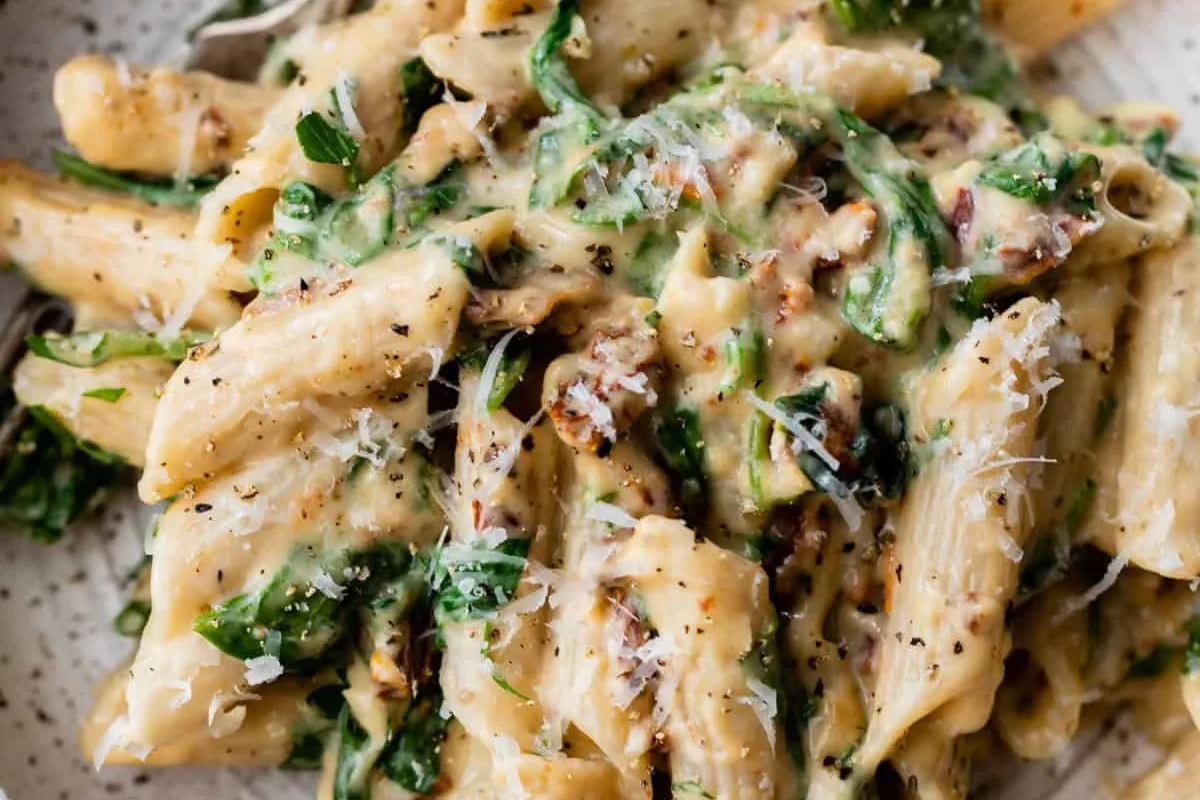
Spinach pasta can fit into a healthy meal plan. It may offer a little extra nutrition, but the real value depends on the pasta type and recipe.
If the pasta uses real spinach and simple ingredients, it can be a solid choice. If it’s mostly refined flour with green coloring, the health boost is small.
In short, spinach pasta is healthy enough for many people when you treat it like regular pasta with a small nutrition upgrade.
What Spinach Pasta Actually Is and How It’s Made
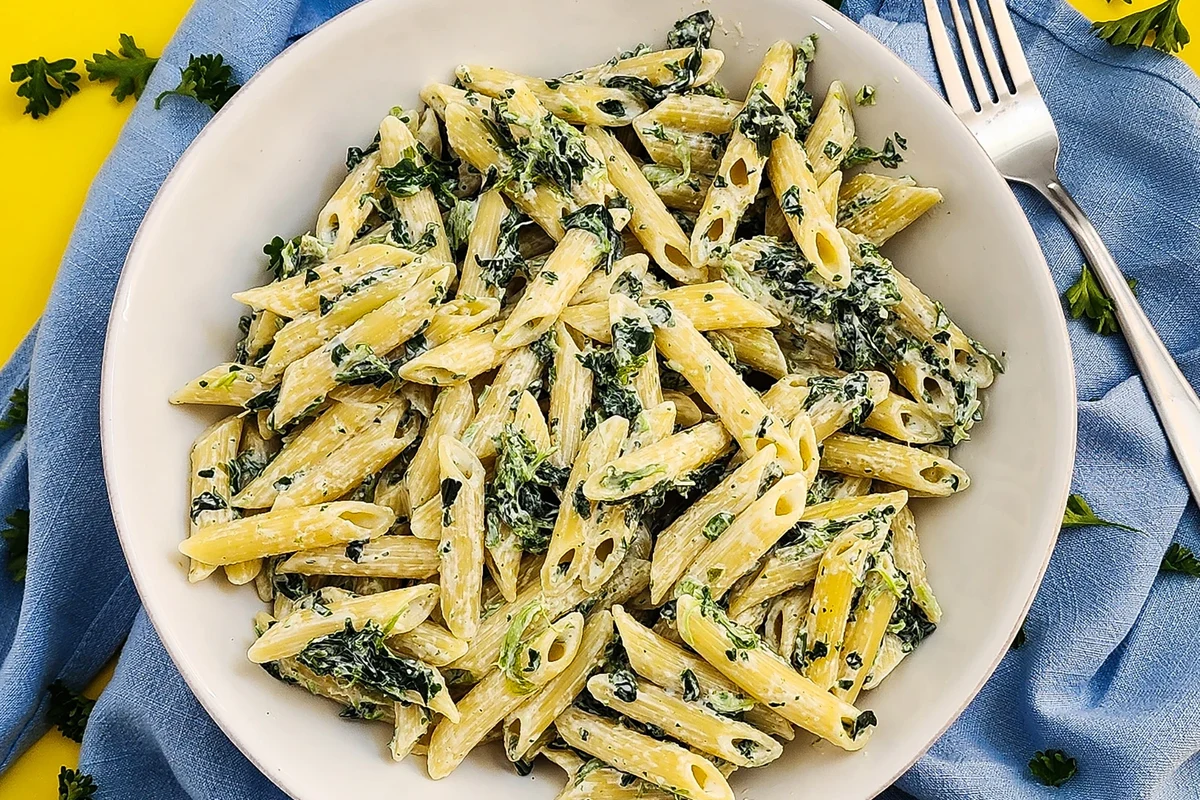
Spinach pasta is pasta made with spinach added to the dough or mixed into the batter. It can come fresh, dried, or frozen, depending on the brand or recipe.
Some versions use spinach puree or spinach powder. Others use only a tiny amount for color. That’s why labels matter so much.
Common ingredients in fresh and dried spinach pasta
Fresh spinach pasta often uses flour, eggs, spinach, and water. Dried versions may use semolina, wheat flour, spinach powder, and sometimes salt.
Some brands add oil, preservatives, or color agents. That does not always make the pasta unhealthy, but it can change the nutrition profile.
How spinach changes the nutrition profile
Spinach can add a small amount of vitamins and minerals. It may also improve the look and taste for people who want more greens on the plate.
Still, pasta dough usually contains much more flour than spinach. So the nutrition change is often modest, not dramatic.
Some green pastas get their color from spinach, but others use coloring alone.
7 Facts That Decide Whether Spinach Pasta Is Healthy
The answer comes down to seven practical things. These are the details that matter most when you shop or cook.
Calories, carbs, and fiber
Spinach pasta usually has a similar calorie count to regular pasta. The carbs also stay close unless the recipe uses whole grains or legumes.
Fiber depends on the flour, not the spinach alone. A whole wheat or high-fiber pasta often beats a standard spinach pasta for fullness.
Protein and satiety
Most spinach pasta has only a little protein unless it includes eggs, lentils, or chickpeas. That means it may not keep you full for long by itself.
If you want a more filling meal, pair it with beans, chicken, tofu, fish, or cheese. That helps balance the plate.
Vitamins, minerals, and real spinach content
Real spinach can add folate, vitamin K, and a bit of iron. But the amount varies a lot by brand and recipe.
Look for spinach near the top of the ingredient list if you want a real nutrition gain. If it’s near the bottom, the amount may be small.
Sodium, additives, and color agents
Some spinach pastas contain more sodium than you expect. This matters most if you watch salt for heart health or blood pressure.
Also check for artificial colors or long ingredient lists. Simple ingredients are usually easier to trust.
Gluten, eggs, and other common allergens
Many spinach pastas still contain wheat and eggs. So they are not safe for everyone with allergies or celiac disease.
If you need gluten-free pasta, look for a clear gluten-free label. Do not assume spinach pasta is safe just because it looks green.
Always check allergen labels carefully. Ingredients can change by brand, batch, or region.
Portion size and sauce choices
A healthy pasta can turn heavy fast with a large serving and a rich sauce. Alfredo, cream sauces, and lots of cheese can add many extra calories.
Tomato sauce, olive oil, herbs, and vegetables usually make a lighter plate. Portion size still matters most.
Fresh pasta versus boxed pasta
Fresh spinach pasta often tastes richer and softer. It may also use more eggs and less fiber than dried pasta.
Dried pasta usually stores longer and gives you more time to plan meals. The healthier pick depends on the exact ingredients, not the format alone.
Nutrition can vary a lot by brand. Always compare labels before you decide.
Health Benefits of Spinach Pasta
Spinach pasta has a few real upsides. It can help you build a meal that feels more balanced and more appealing.
When it can be a smart pasta choice
Spinach pasta can be a smart pick when you want more color and a mild veggie boost. It may also help picky eaters accept greens more easily.
For example, a child who dislikes plain spinach may still eat spinach pasta with tomato sauce. That can make dinner less of a battle.
How it can fit into a balanced meal
Think of spinach pasta as one part of the plate, not the whole meal. Add protein, vegetables, and a lighter sauce when you can.
Helps make the meal more filling.
Adds fiber, color, and more nutrients.
Keeps calories and fat lower.
In short, spinach pasta works best when it joins a balanced plate instead of standing alone.
Limits and Common Mistakes to Watch For
Spinach pasta sounds healthy, but people often make a few easy mistakes. These can cancel out the benefits fast.
Thinking green means automatically healthy
Green pasta is not always better pasta. Some products use very little spinach and mostly refined flour.
That means the color can be more of a marketing cue than a nutrition sign. Don’t let the color fool you.
Overloading it with heavy sauces
Heavy sauces can turn a light meal into a rich one. A small bowl of pasta can become a high-calorie dish in minutes.
Try to keep cream, butter, and cheese in check if you want a healthier meal. A simple sauce often tastes better with spinach pasta anyway.
Ignoring serving size and label details
Serving size is one of the easiest things to miss. Many people cook more pasta than the label considers one serving.
Read the label, then decide if the portion fits your needs. That one step can make a big difference.
- Measure dry pasta once or twice to learn your usual portion.
- Pick sauces with vegetables and lean protein.
- Compare fiber, sodium, and ingredient lists before buying.
How to Choose a Better Spinach Pasta in the Store
Shopping gets easier when you know what to check first. The label tells you far more than the front of the box.
What to look for on the ingredient list
Look for real spinach, spinach puree, or spinach powder near the top. Short ingredient lists are often easier to understand.
Try to avoid products that rely on color alone. If spinach is far down the list, it may not add much value.
What nutrition labels matter most
Focus on fiber, protein, sodium, and serving size. These numbers tell you more than the green color does.
- Check the ingredient list first
- Compare fiber and protein
- Watch sodium and serving size
- Confirm allergen and gluten details
If two products look similar, choose the one with more fiber and less sodium. That is often the better everyday pick.
Best options for kids, athletes, and weight loss goals
For kids, spinach pasta can be a gentle way to add more greens. Choose simple ingredients and a sauce they already like.
For athletes, higher protein and larger meal balance matter more than the green color. Spinach pasta can work well with lean protein and vegetables.
For weight loss goals, portion size and sauce choice matter most. A smaller serving with lots of vegetables is usually the smarter route.
How to Make Spinach Pasta Healthier at Home
Home cooking gives you more control. You can improve the meal without making it hard or expensive.
Easy ingredient swaps that improve nutrition
Use whole wheat or high-fiber flour if you make pasta from scratch. You can also mix in more spinach puree for stronger color and flavor.
Choose olive oil instead of heavy cream when it fits the dish. Small swaps like that add up over time.
Best sauce, protein, and veggie pairings
Tomato sauce, garlic, mushrooms, peas, broccoli, and zucchini all work well with spinach pasta. They add volume without much fuss.
Lean chicken, tuna, tofu, beans, or eggs can make the meal more filling. That helps keep you satisfied longer.
- Use a lighter sauce with vegetables
- Add protein for balance
- Keep portions moderate
- Relying on cream sauce and extra cheese
- Assuming all green pasta is nutrient-rich
- Skipping the label check
In short, the healthiest spinach pasta meal is usually the one with simple ingredients and smart add-ins.
Final Verdict: Is Spinach Pasta Healthy Enough for Regular Meals?
Yes, spinach pasta can be healthy enough for regular meals. It’s a good choice when it uses real spinach, simple ingredients, and sensible portions.
But it’s not a magic health food. If the pasta is mostly refined flour and the sauce is heavy, the meal may be no better than standard pasta.
Spinach pasta is a fine everyday option for many home cooks, especially when you pair it with vegetables and protein. If you want the biggest nutrition boost, choose a high-fiber pasta with clear ingredients and keep the sauce light.
So, if you’ve been asking whether spinach pasta is healthy, the honest answer is yes, sometimes. It depends on the brand, the recipe, and how you serve it.
Frequently Asked Questions
Sometimes, but not always. It depends on how much real spinach it contains and whether the flour is refined or whole grain.
Check the ingredient list, fiber, protein, sodium, and serving size. Real spinach should appear near the top if you want a real nutrition boost.
Yes, if you keep portions sensible and use a lighter sauce. Add vegetables and lean protein to help the meal feel more filling.
It can be a helpful way to add more greens in a familiar meal. Choose simple ingredients and watch the sauce and portion size.
No, many spinach pastas still use wheat. Always check the label if you need gluten-free pasta.
Use a lighter sauce, add vegetables, and include protein like beans, chicken, or tofu. Whole grain pasta can also improve fiber.